Calligraphy is more than writing—it’s a moment to slow down, clear your mind, and reset.
In this private session, our guest from the U.S. practiced the basics and finished a piece to take home.
Let’s walk through the experience step by step.
Meet the Tools & Prepare the Ink
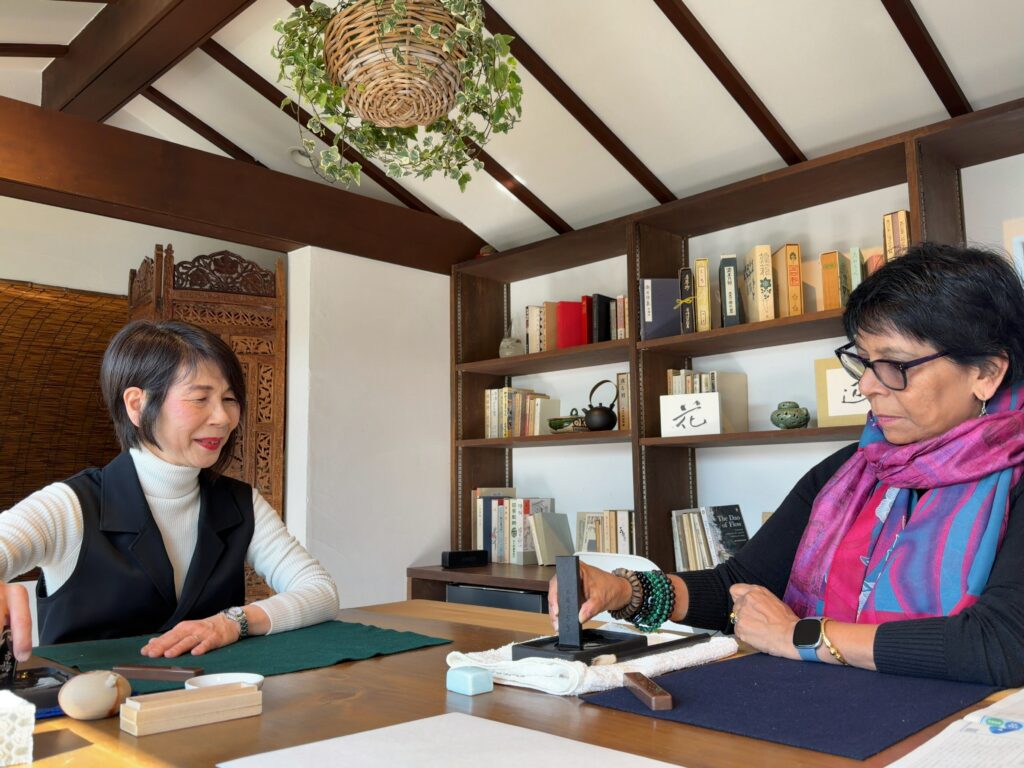
You’ll begin by meeting the traditional tools: ink (sumi:墨), ink stone (suzuri:硯), brush (fude:筆), and seals.
Even before writing, the atmosphere becomes calm—just seeing and touching these materials helps you shift into a slower pace.
First, we grind the ink together. It’s almost like meditation, helping you slow down and focus.
As the ink slowly darkens, you can feel the mind settle—like preparing tea.
We take our time here, because the pace you set now will appear in your brushwork later.
How to Hold the Brush
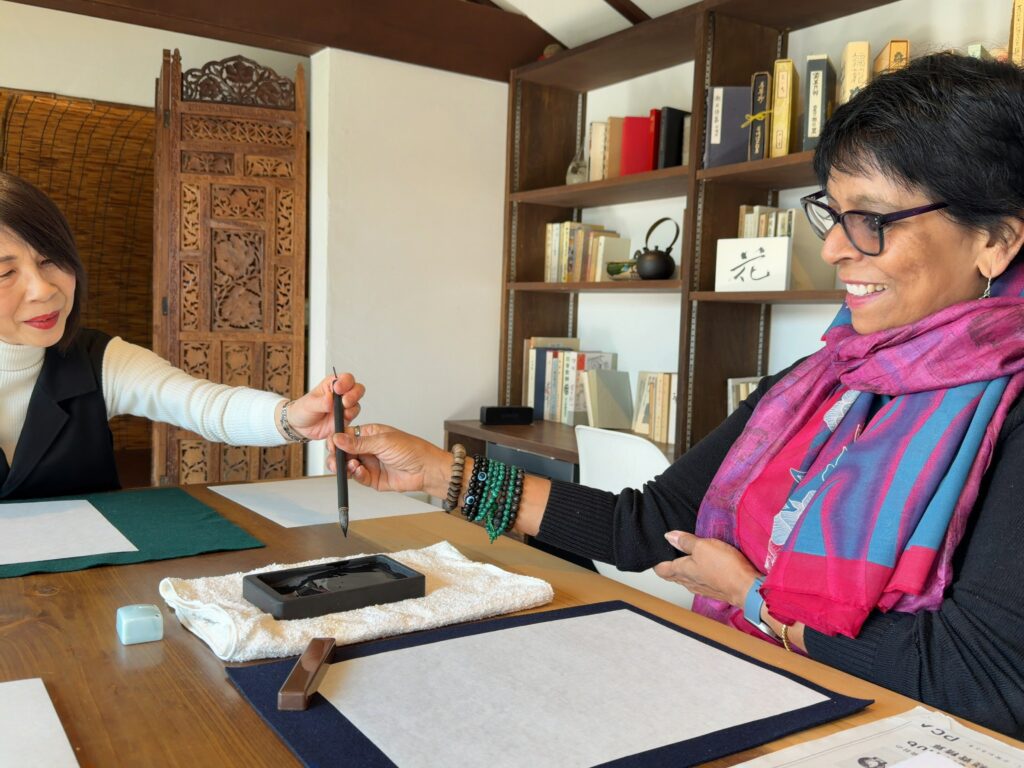
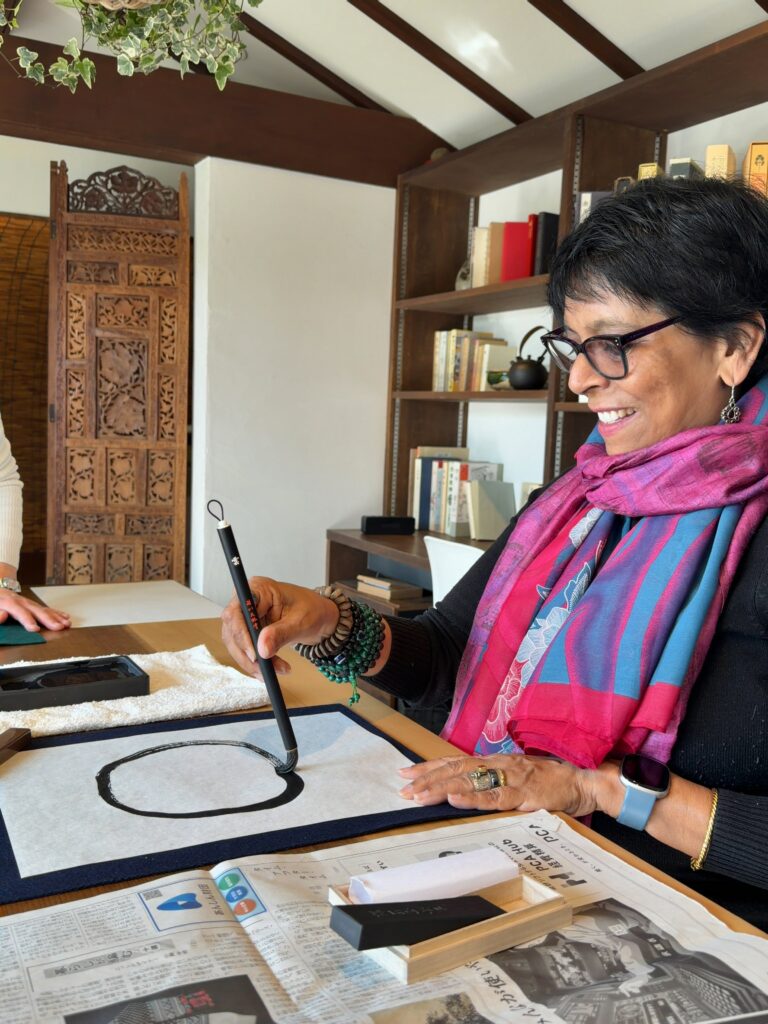
Next, you’ll learn how to hold the brush with a relaxed, stable posture.
We adjust small details—hand position, shoulder tension, and breathing—so the brush can move naturally.
In calligraphy, gentle control creates beautiful strength.
Draw Some Lines
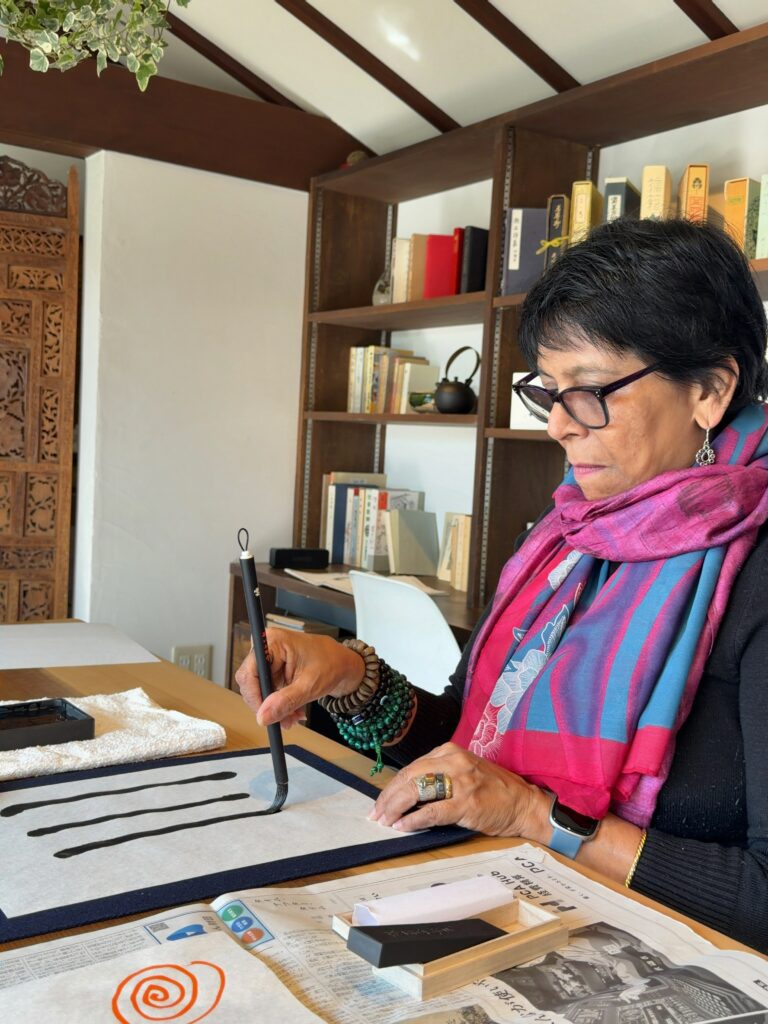
Before writing characters, you’ll practice simple lines and brushstrokes. This warm-up is a form of moving meditation, helping you center your focus and calm your breath. Feel your mind settle as the rhythm of the brush connects you to the moment.
You’ll practice vertical lines, horizontal lines, and circles to learn pressure control and smooth movement.
Choose a Kanji
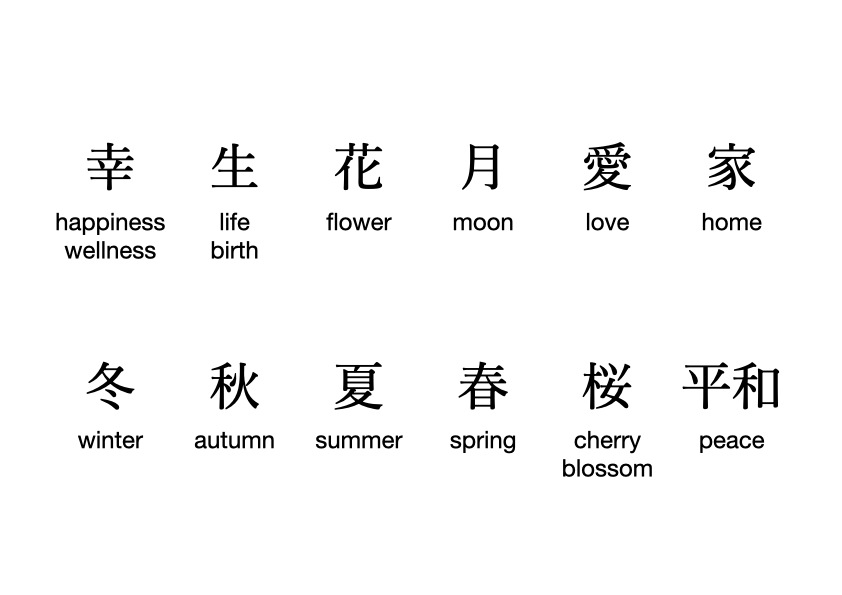
Now it’s time to choose your kanji. You’ll select one character from a curated list—each with cultural, seasonal, or emotional meaning in Japan.
Even if you don’t know kanji, don’t worry: we’ll explain the meaning and help you choose the one that resonates with you.
Practice your kanji
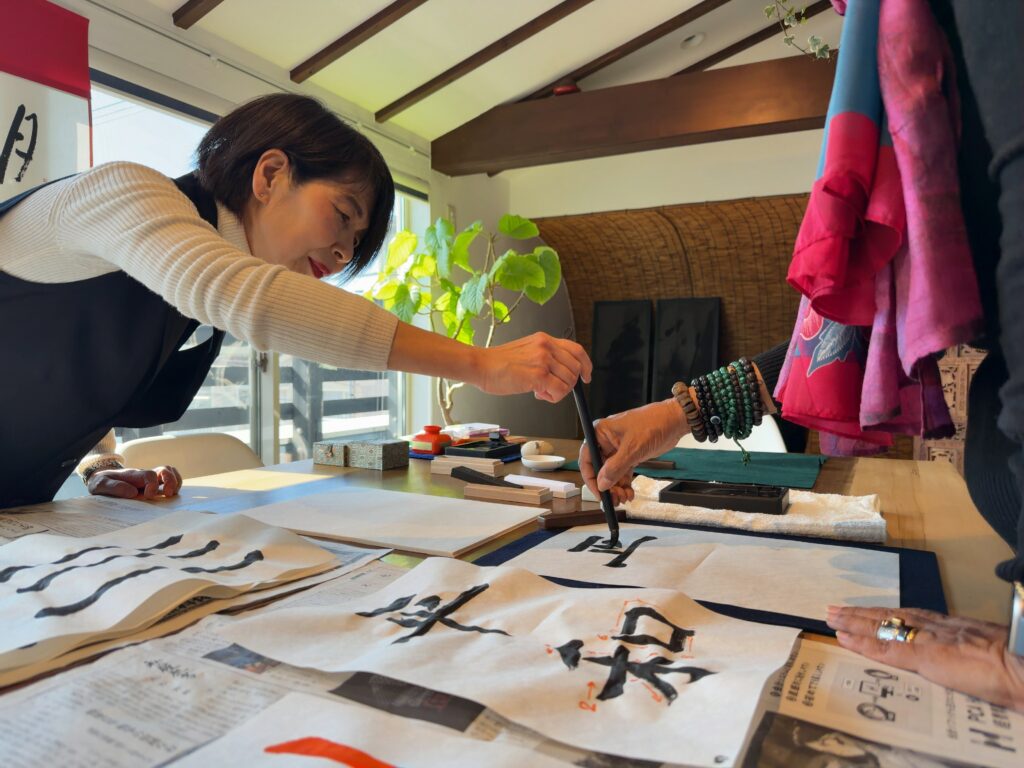
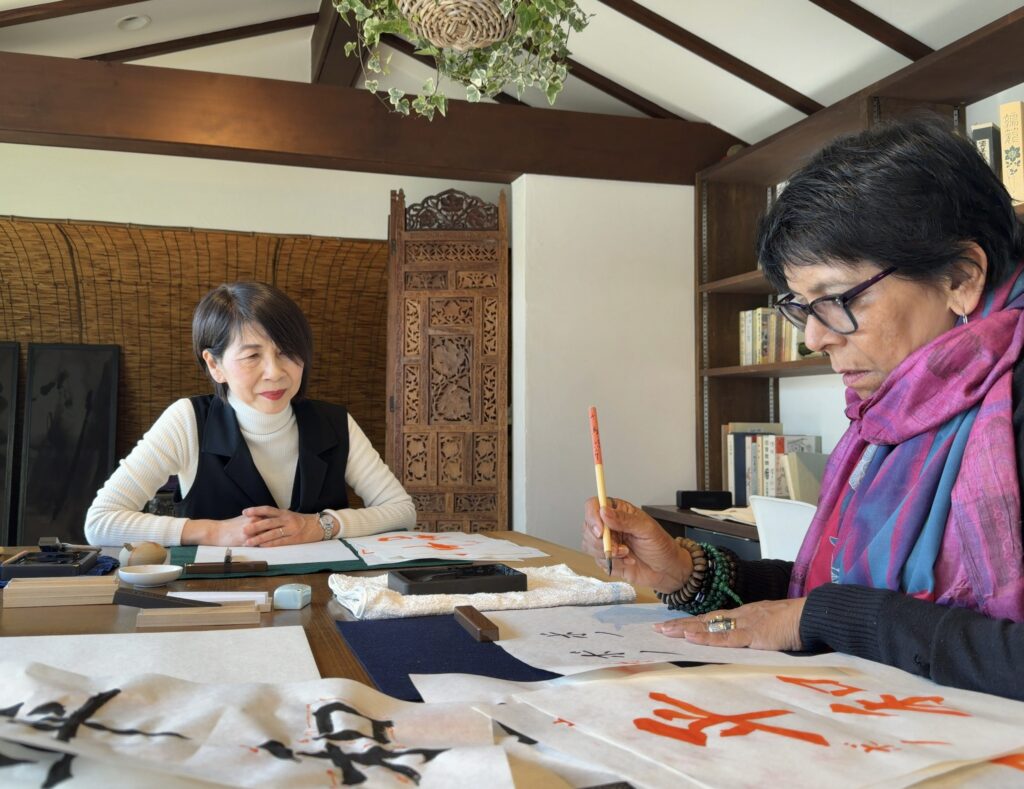
Once you choose your character, you’ll practice it repeatedly on hanshi paper.
We guide you through balance, spacing, and brush movement—little by little, your lines become more confident and calm.
The key is not rushing. In calligraphy, a relaxed pace creates a beautiful finish.
Step-by-step Guidance (Stroke Order & Key Tips)
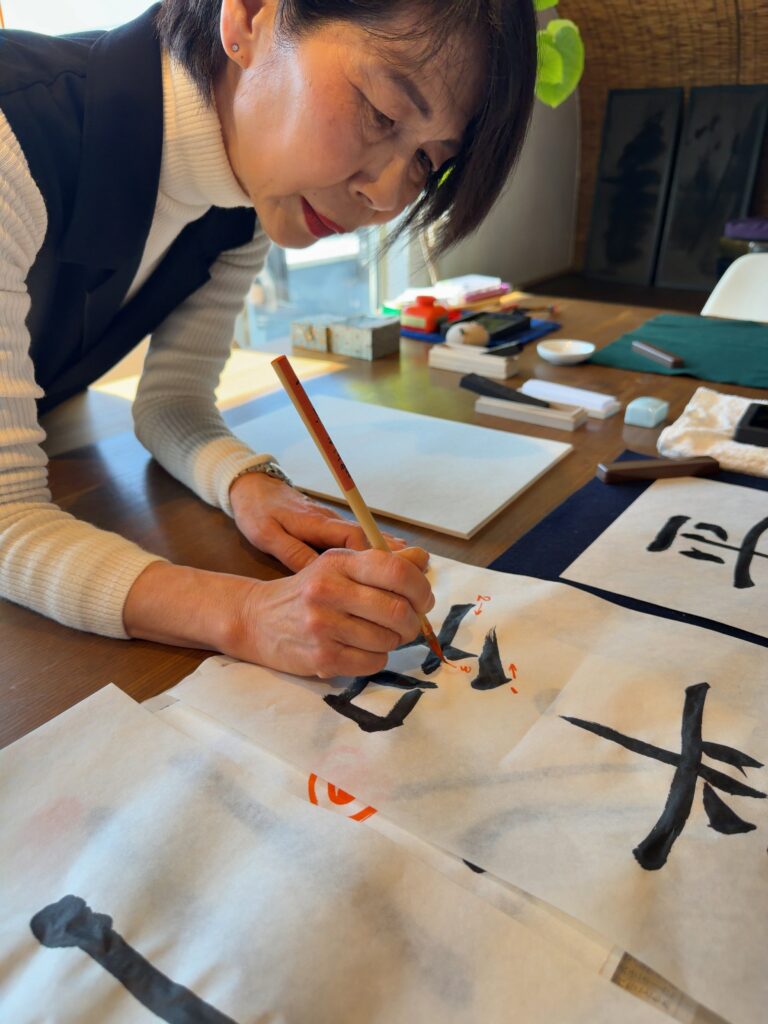
We’ll also teach stroke order, so you can practice with confidence.
The teacher may mark the order with small numbers (in red), and demonstrate the character for you to observe closely.
Seeing the movement in real time makes it much easier to understand how each stroke begins, pauses, and finishes.
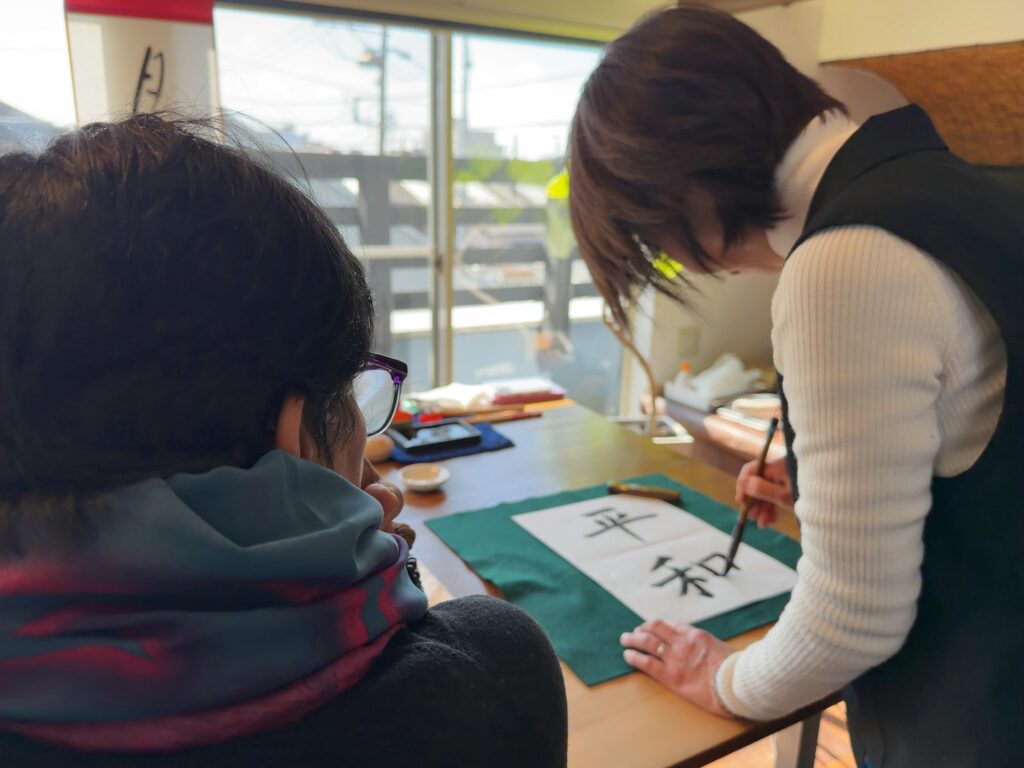
You don’t need prior experience—stroke order and technique are explained clearly step by step.
Practice your name in Katanaka
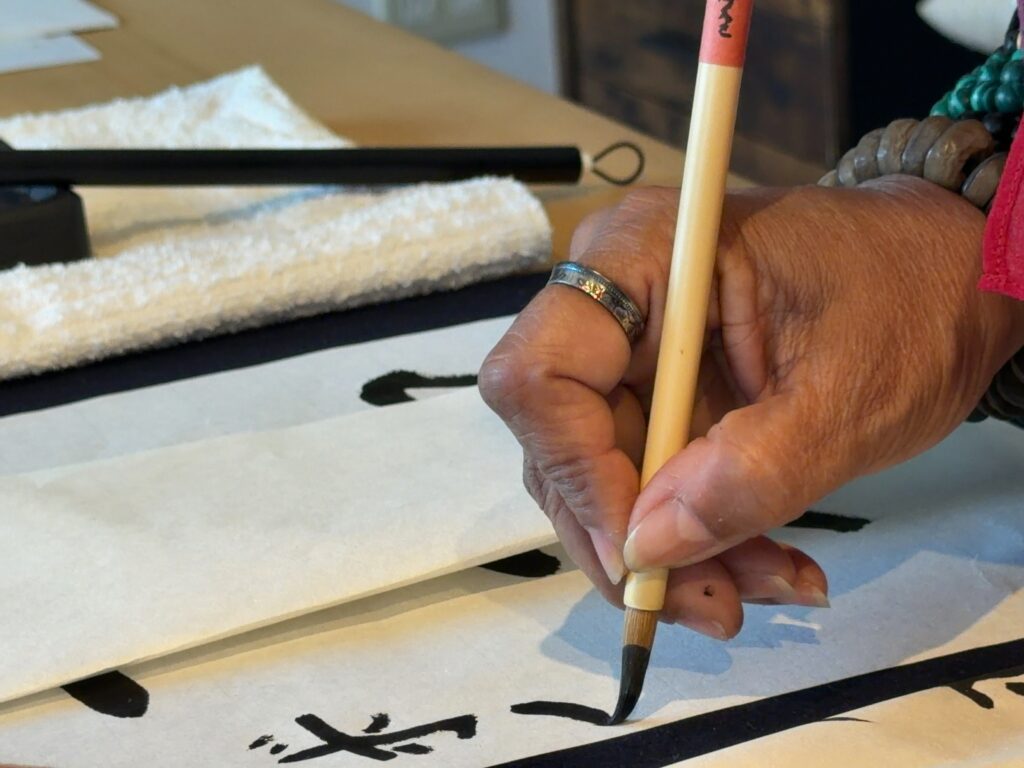
For the final touch, you’ll write your name in katakana.
Since most guests don’t know katakana, the teacher will write your name first, and you can copy it comfortably.
This becomes a lovely “signature” for your finished piece.
Keep Practicing
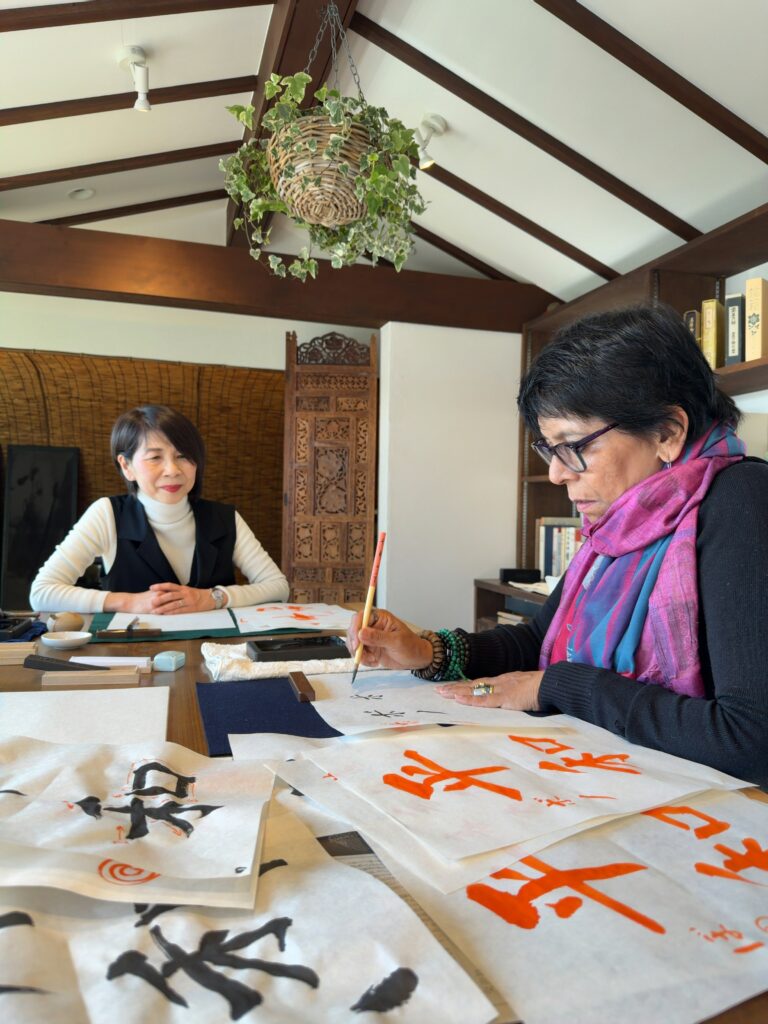
After learning the basics, you’ll continue practicing at your own pace.
With each sheet, your brush becomes steadier—and your mind becomes quieter.
Seeing several practice sheets laid out is also part of the joy: you can literally watch your progress.
Create Your Final Piece (Seisho:清書 )
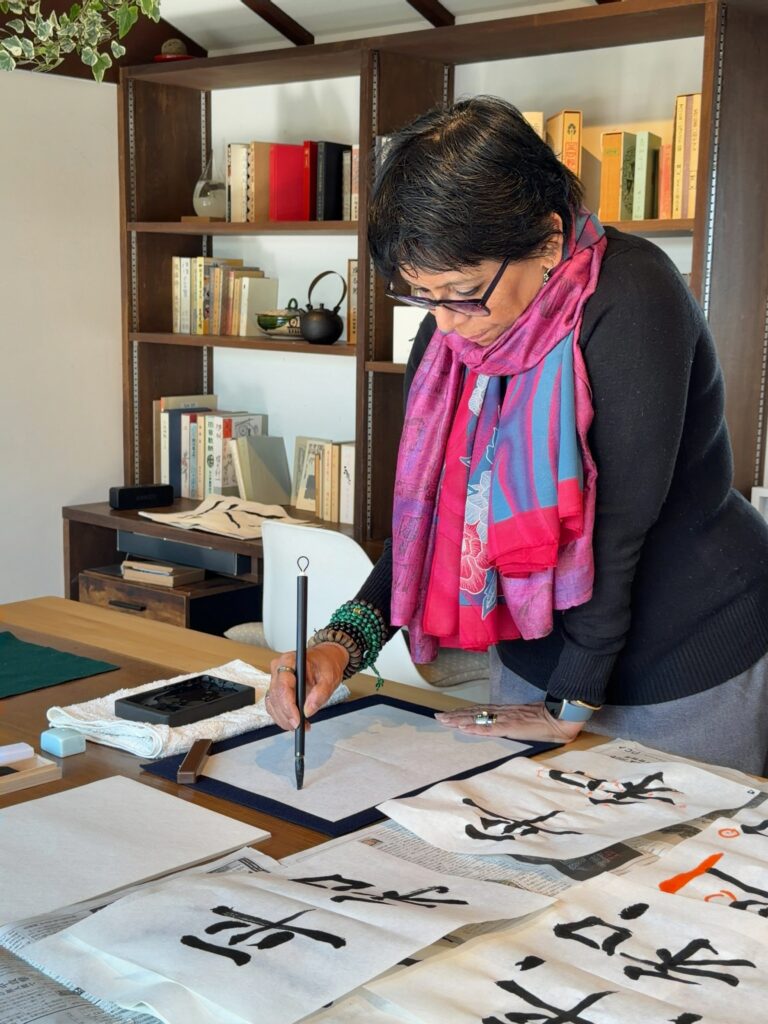
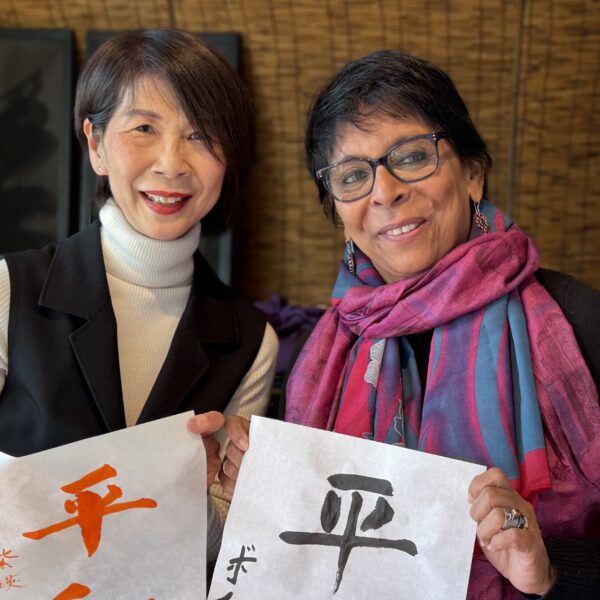
Now it’s time for seisho—the final copy.
You’ll take a deep breath, slow down, and write your chosen kanji on a fresh sheet with full attention.
This is the moment when everything comes together: ink, breath, posture, and presence.
Perfect for anyone who wants more than writing—a quiet, guided calligraphy experience to slow down and center yourself.
Finish with a Message Seal (Ga-in)
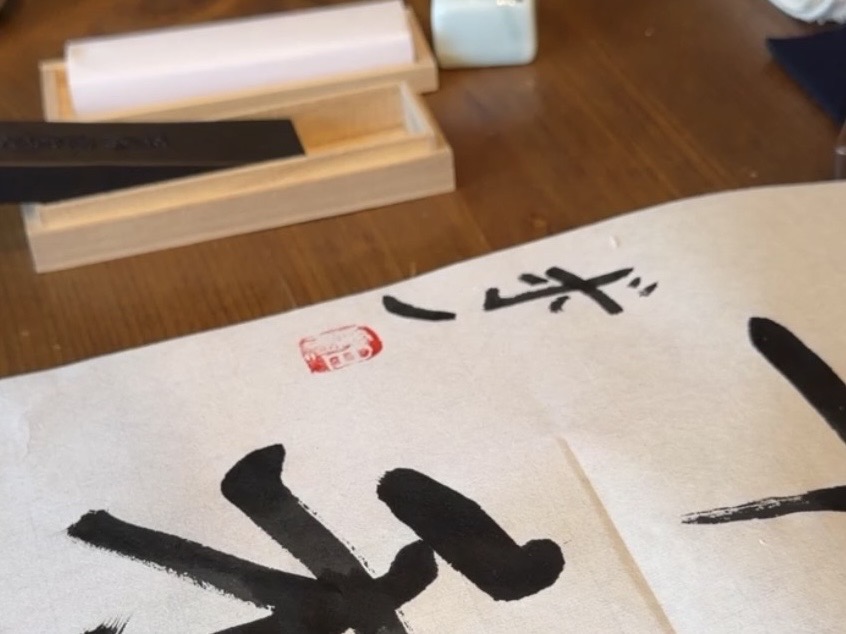
After the final copy, you’ll choose a message seal brought by the teacher.
This time, we used 且緩々 (Shakankan)—a Zen phrase meaning “slow down, don’t rush, and stay calm.”
Stamping the seal is the final touch that completes the artwork.
It’s a small detail, but it instantly makes the work feel like a finished piece.
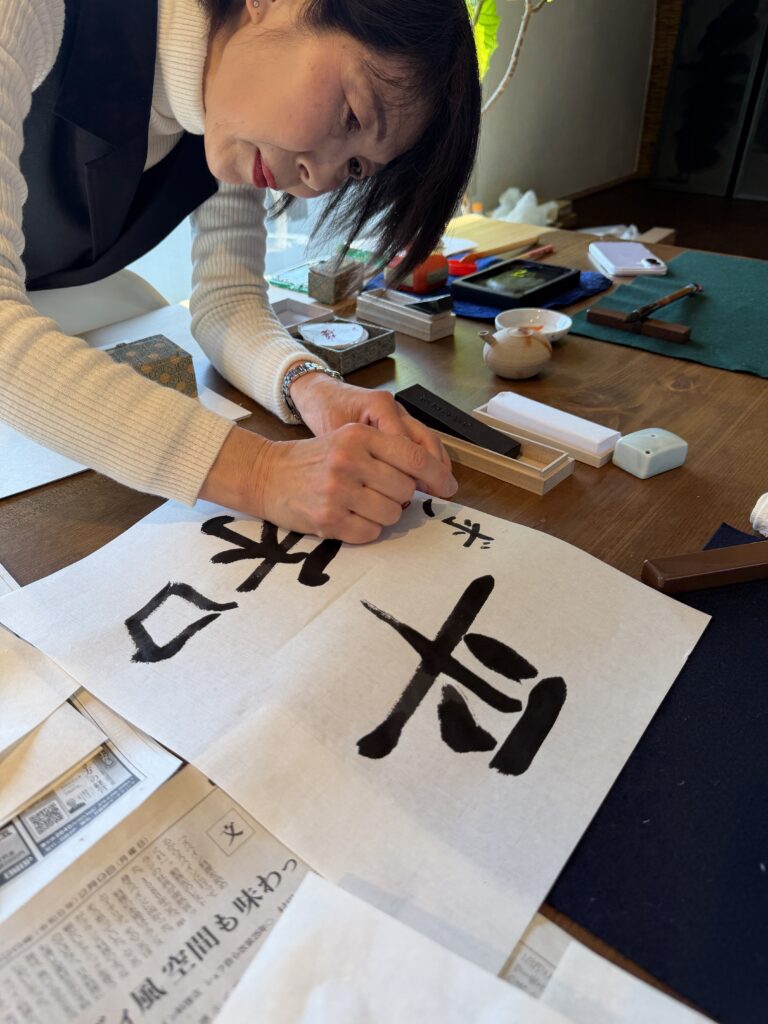
A Photo Moment with Your Finished Work
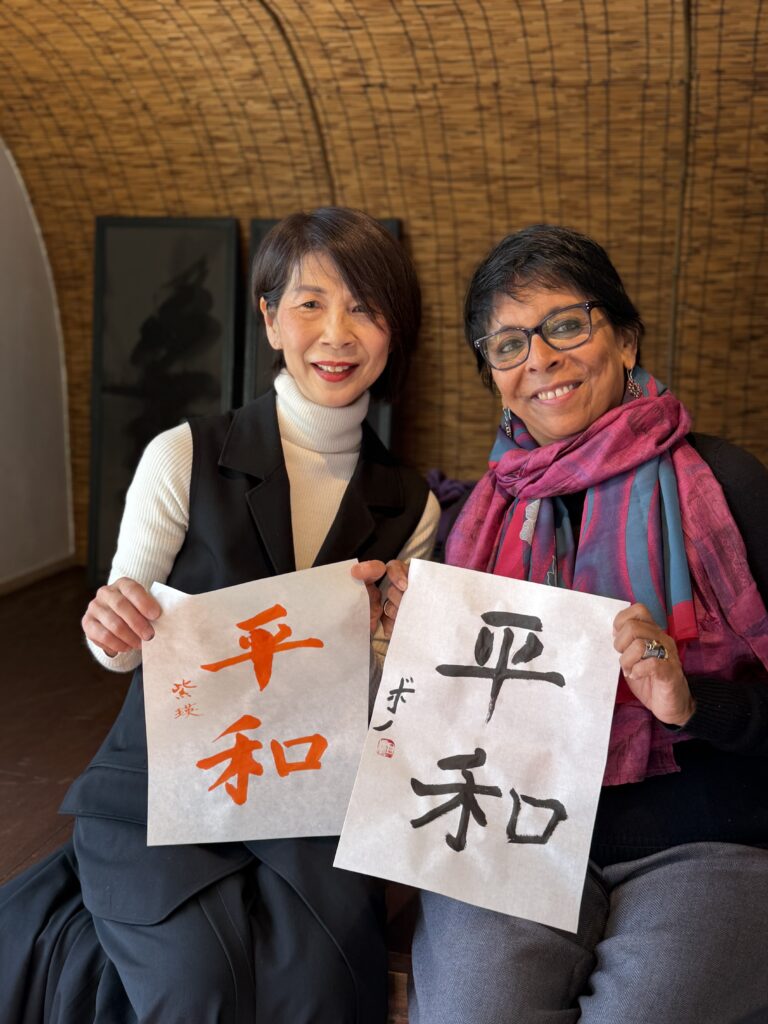
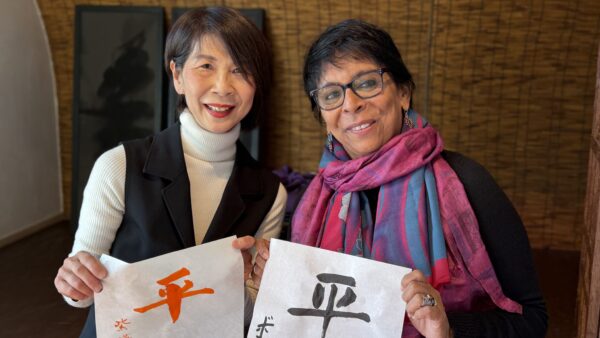
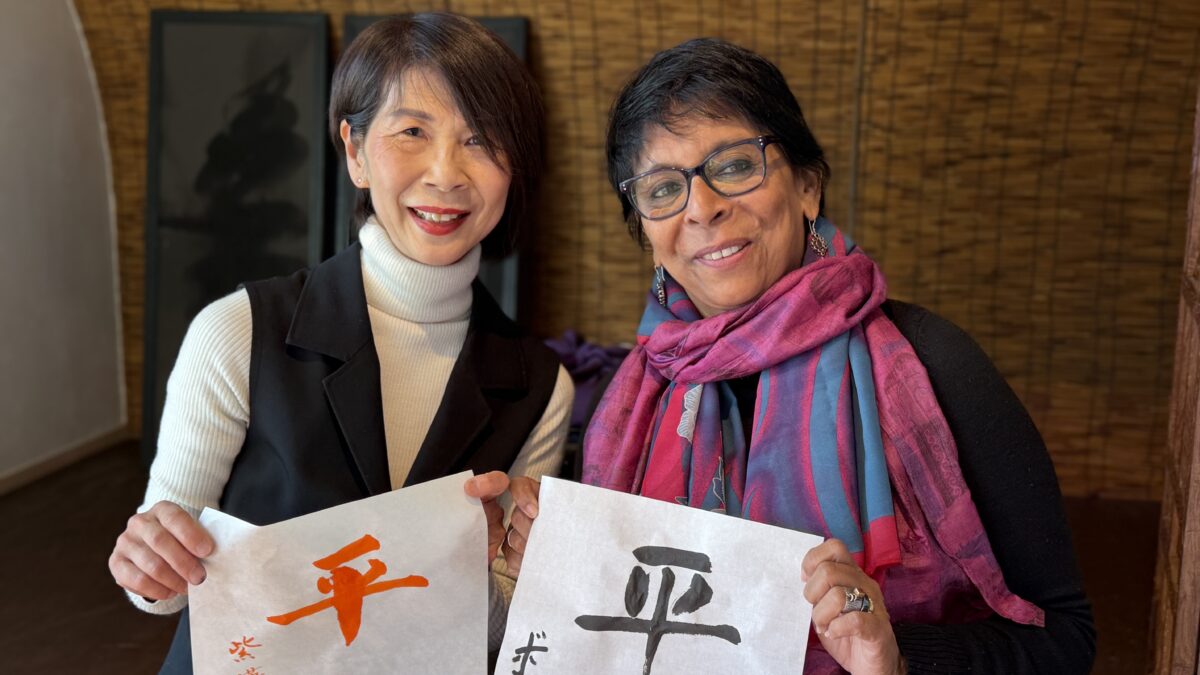
After finishing, we take a commemorative photo with your final piece—this is often the biggest smile of the day.
You’ll leave with a completed work and a calm memory of the process.
A Meditative Japanese Calligraphy Experience
https://kamakura-experience.jp/experience/shodo/
Meet Your Instructor
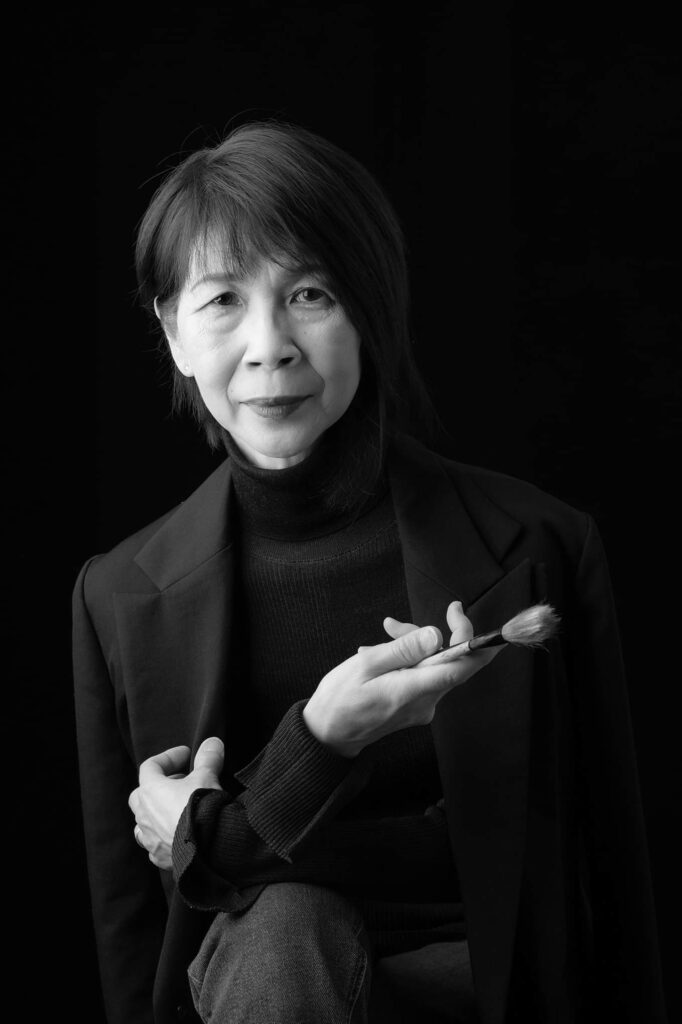
Shiei is a Japanese calligraphy instructor who studied at Nara University of Education and earned a master’s degree in calligraphy from its graduate school.
She offers calm, personalized guidance for both beginners and advanced learners.
Qualifications
• M.A. in Japanese Calligraphy (Nara University of Education)
Author: Takumi Ikeda
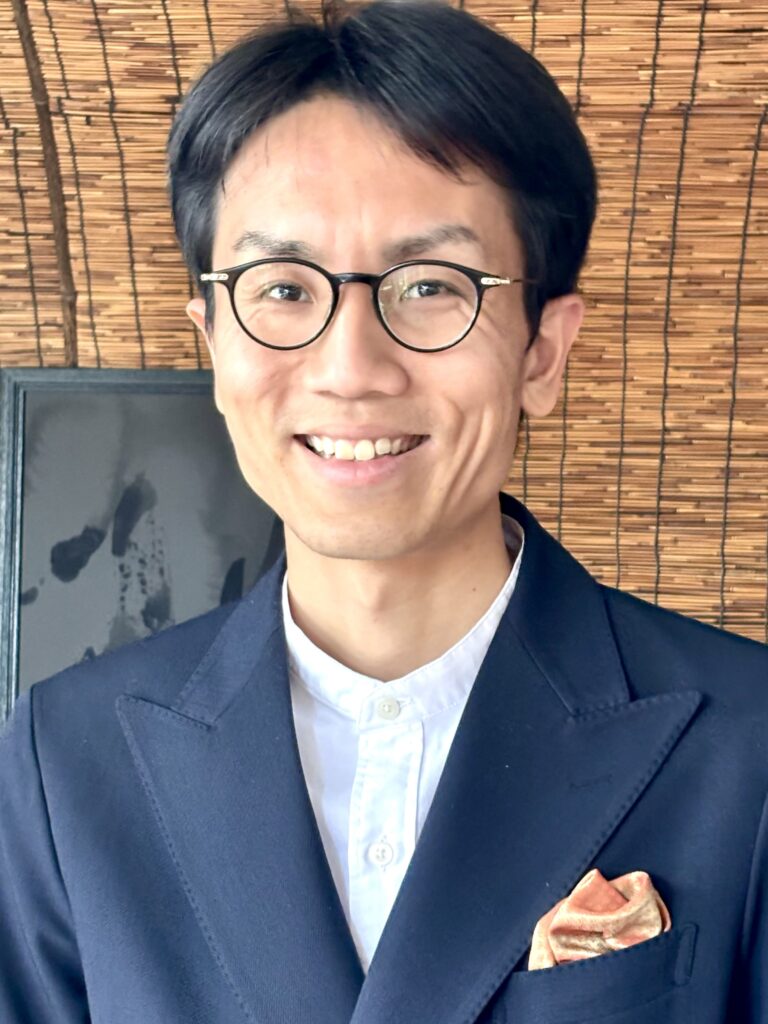
Takumi Ikeda is the Project Lead & Local Guide at Kamakura Experience, born and raised in Kamakura.
With professional hospitality experience aboard an international cruise ship and at Michelin-rated ryokans, he shares stories, insights, and practical tips shaped by his deep roots in the city.
Discover more on Instagram: https://www.instagram.com/kamakura_experience