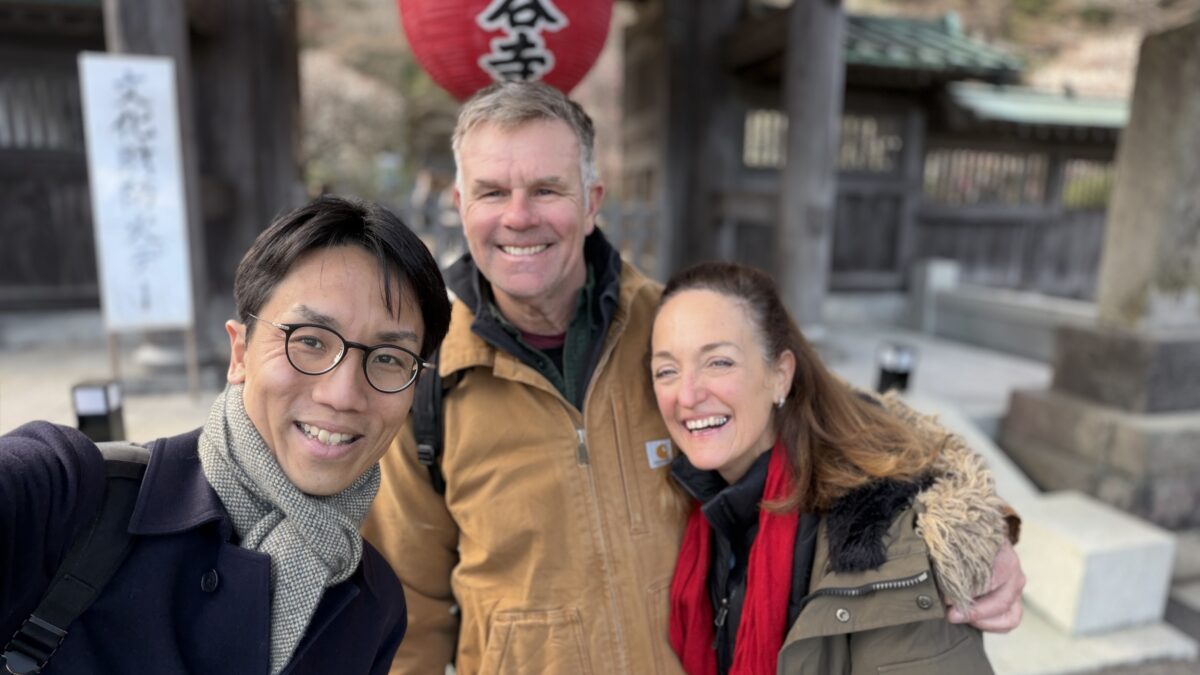
Explore Kamakura with a local guide on a private tour tailored to your interests and pace.
This tour is best for travelers who want to enjoy Kamakura more fully — with time for lunch, a flexible pace, and a deeper itinerary shaped around their interests.
Why Choose a 6-Hour Private Tour in Kamakura?
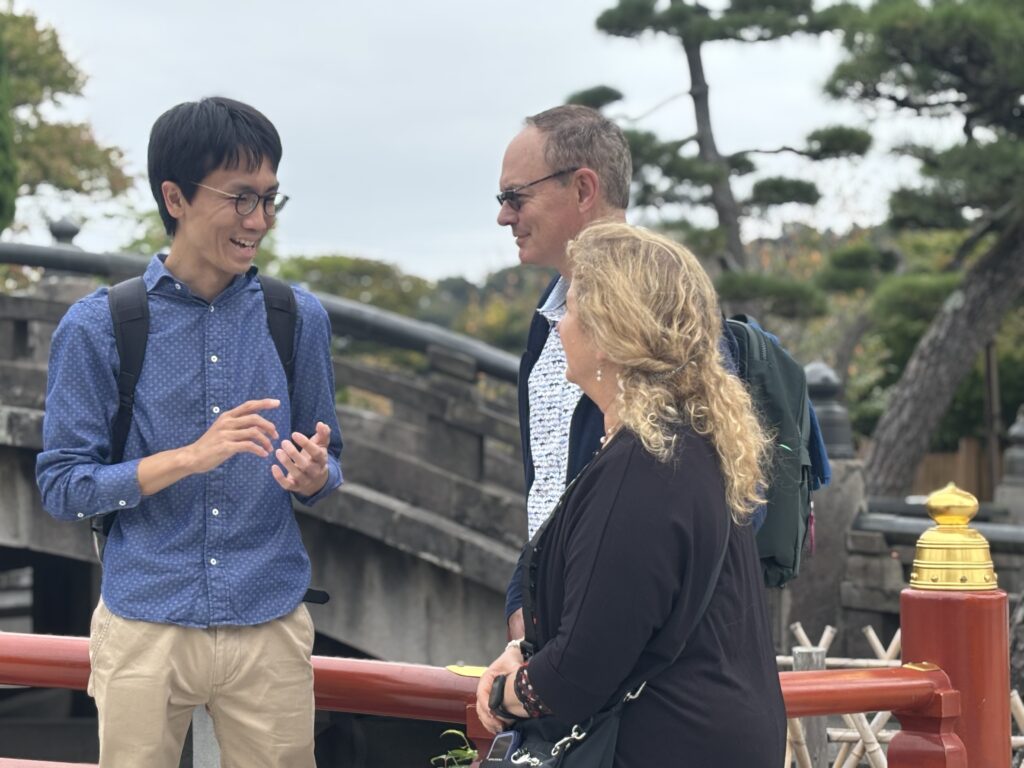
A 6-hour tour is a great choice for travelers who want a deeper Kamakura experience.
With extra time, you can include lunch, explore at a more relaxed pace, and enjoy a wider range of places based on your interests.
It is ideal for travelers who want to go beyond the main highlights and experience Kamakura more fully — from temples and shrines to food, local culture, and quieter hidden spots. It also works well as a rewarding day trip from Tokyo.
What You Can Experience in 6 Hours
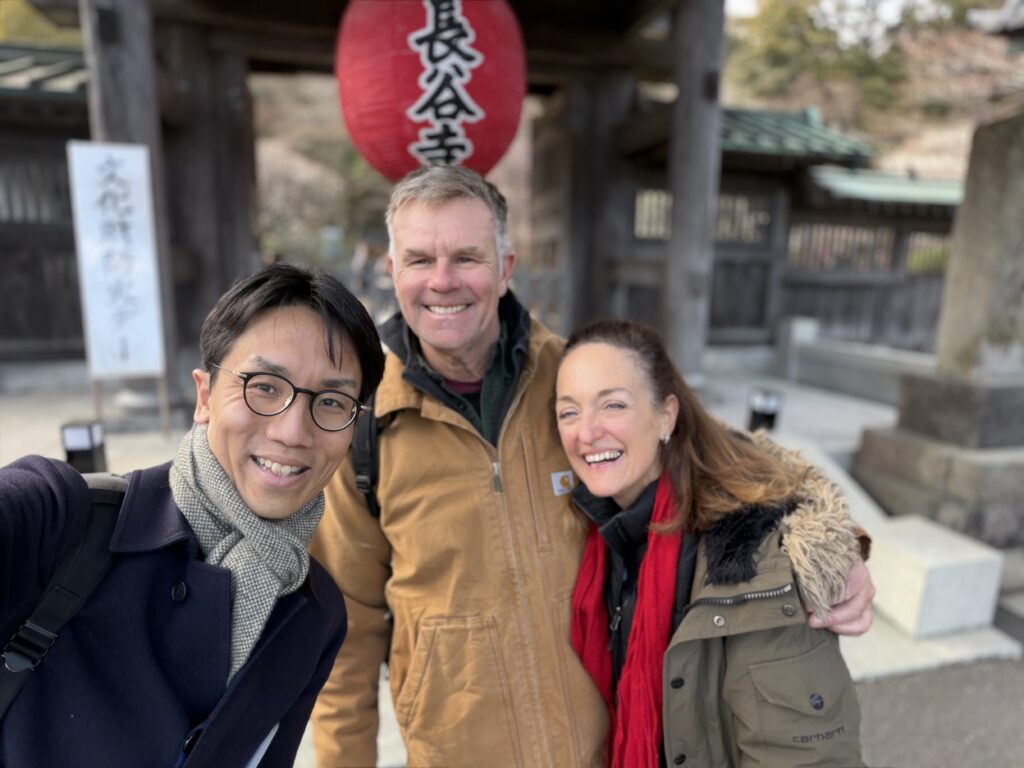
In 6 hours, you can enjoy Kamakura at a more relaxed pace, with enough time for lunch and a wider range of stops.
Depending on your interests, the tour can include major landmarks, hidden local spots, food stops, cultural experiences, and quieter places away from the crowds.
Rather than rushing from place to place, this tour gives you time to explore Kamakura more comfortably and in greater depth.
Vegan-Friendly Lunch Options
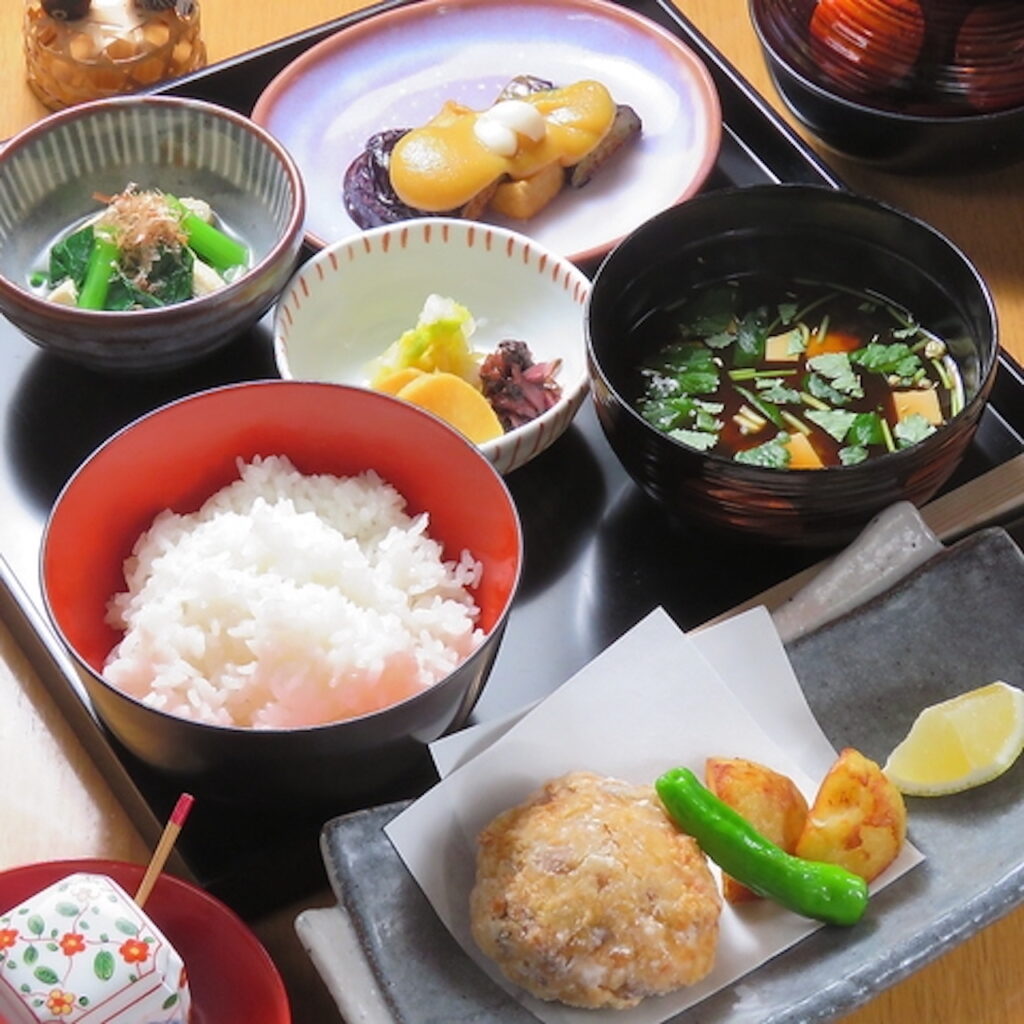
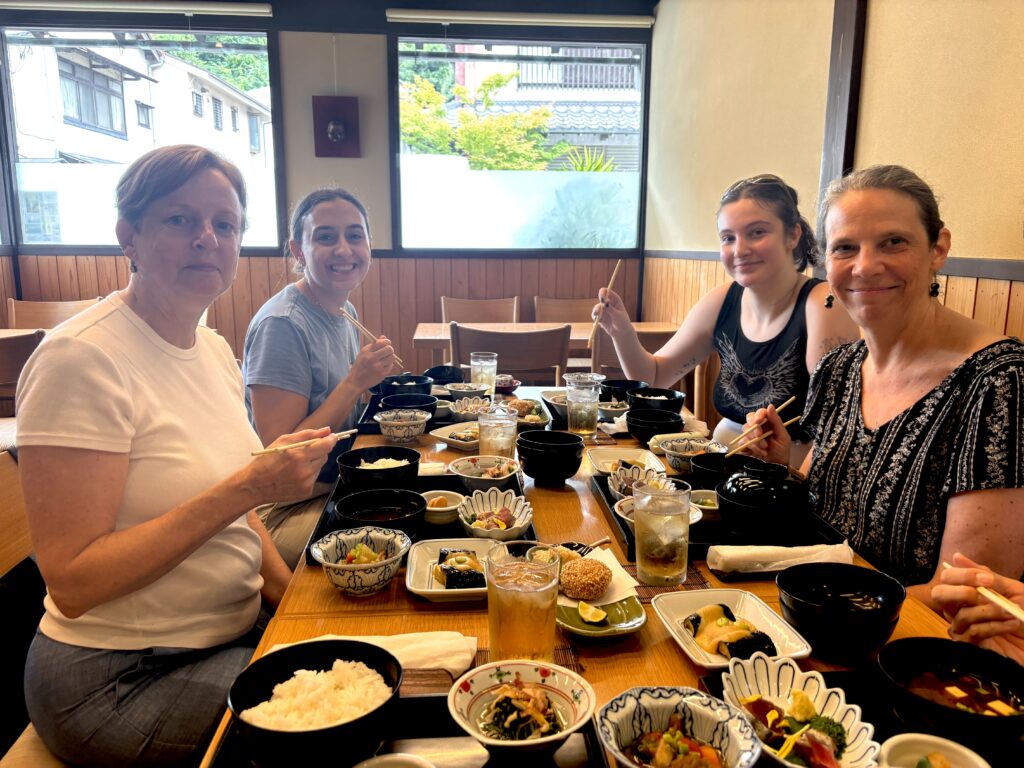
Lunch can be included if you wish, or we can focus entirely on sightseeing during the 6-hour tour.
I can suggest meal options based on your preferences, including tonkatsu, soba, and vegan friendly dishes.
Special vegan-friendly lunchboxes are also available upon request.
Example Itineraries (6 hours)
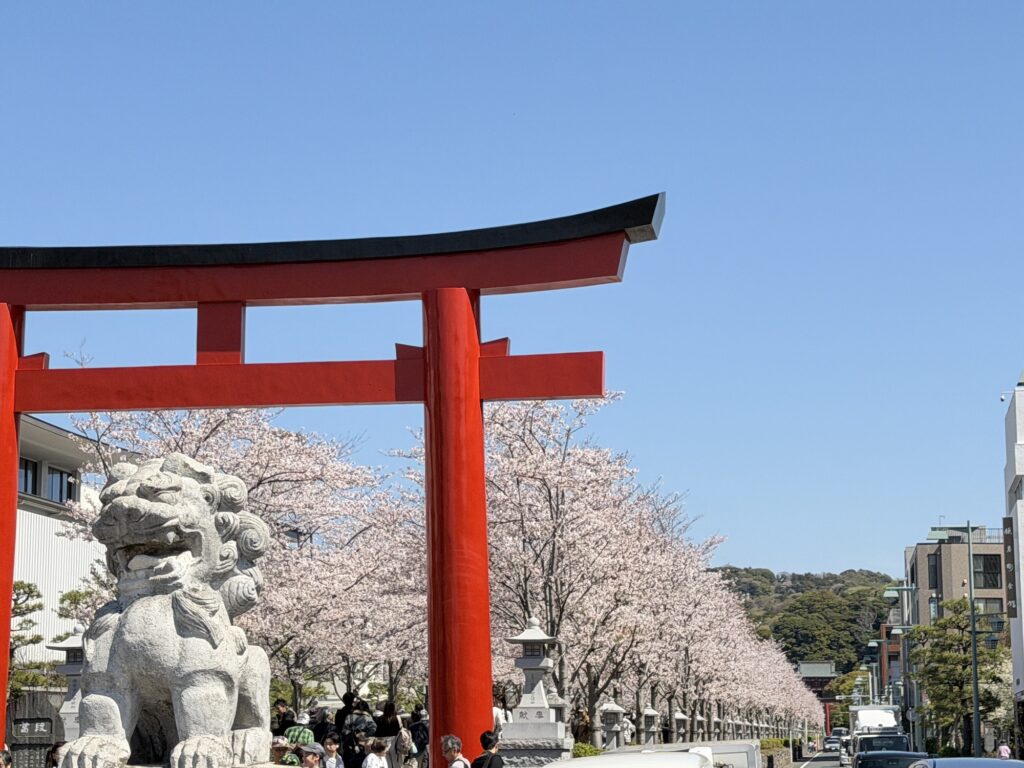
The following are example itineraries.
You can customize your own tour based on these routes.
Plan A — Kamakura Highlights & Balanced Tour
This balanced route is perfect for travelers who want to enjoy Kamakura’s most famous sights, a local lunch, and a little time for shopping and sweets.
Starting Point: Kamakura Station
1.Tsurugaoka Hachimangu Shrine
2.Kotoku-in Temple (The Great Buddha)
3.Hase-dera Temple
4.Lunch Time
5.Komachi Street (shopping & sweets)
Tour ends at Kamakura Station
Travel between stops may include walking and short rides on the Enoden Line.
1.Tsurugaoka Hachimangu
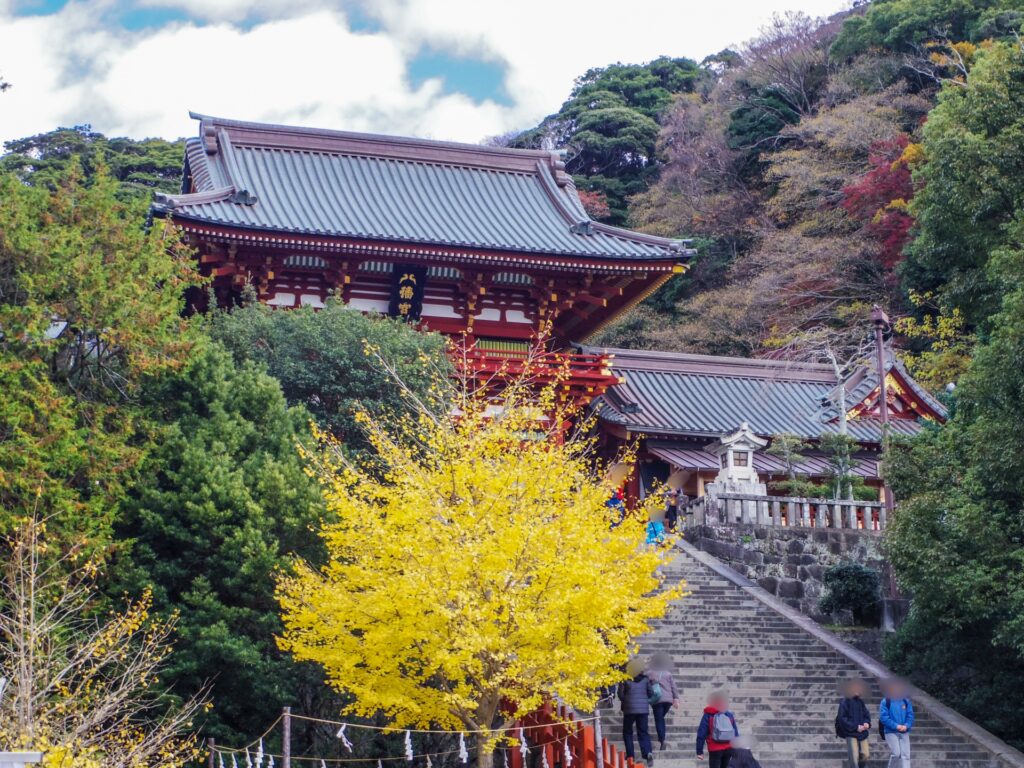
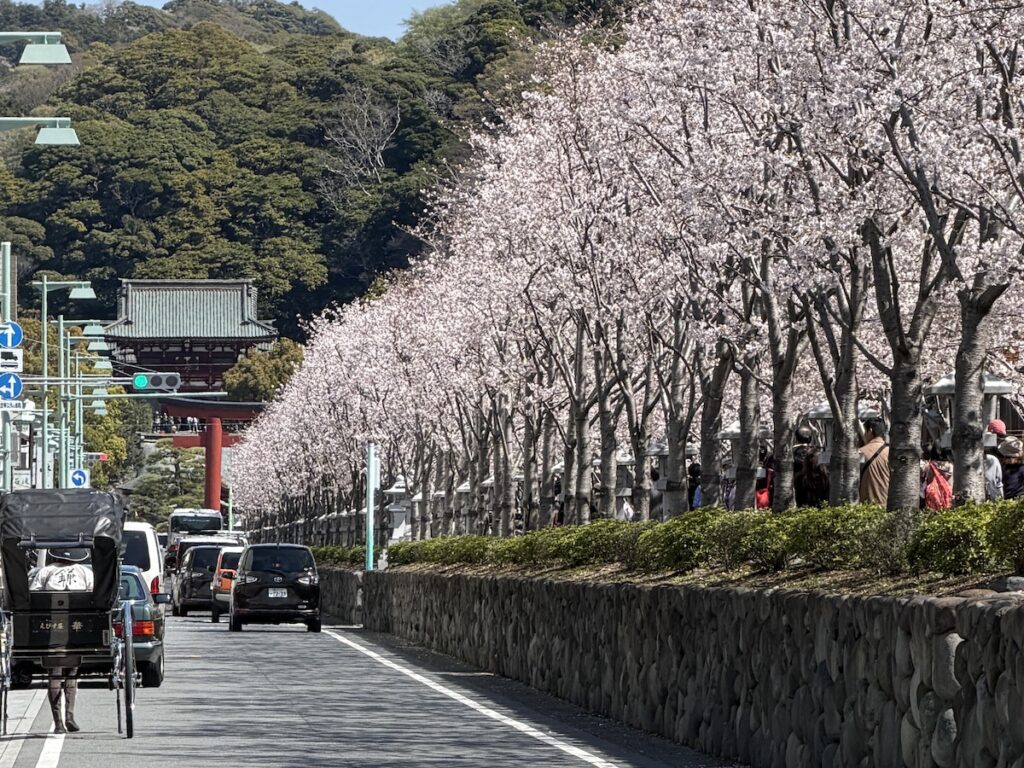
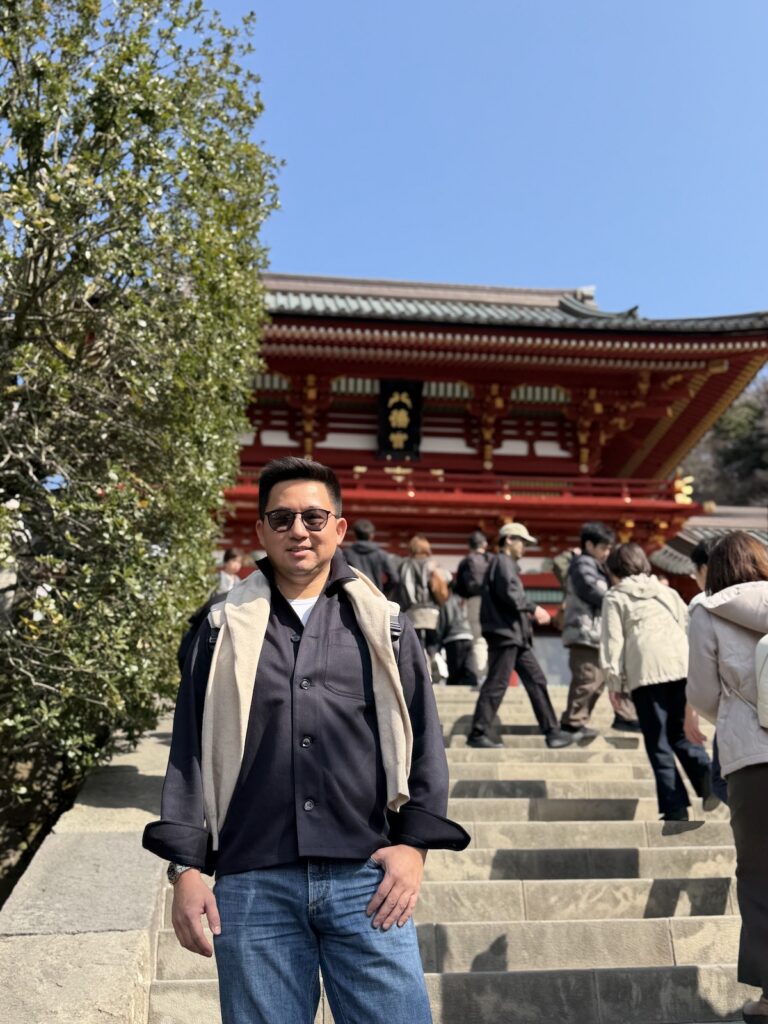
Founded in 1063, Tsurugaoka Hachimangu is the spiritual heart of Kamakura and a symbol of its rich samurai heritage—a place where history, culture, and faith come vividly to life.
2.Kotoku-in (the Great Buddha of Kamakura)
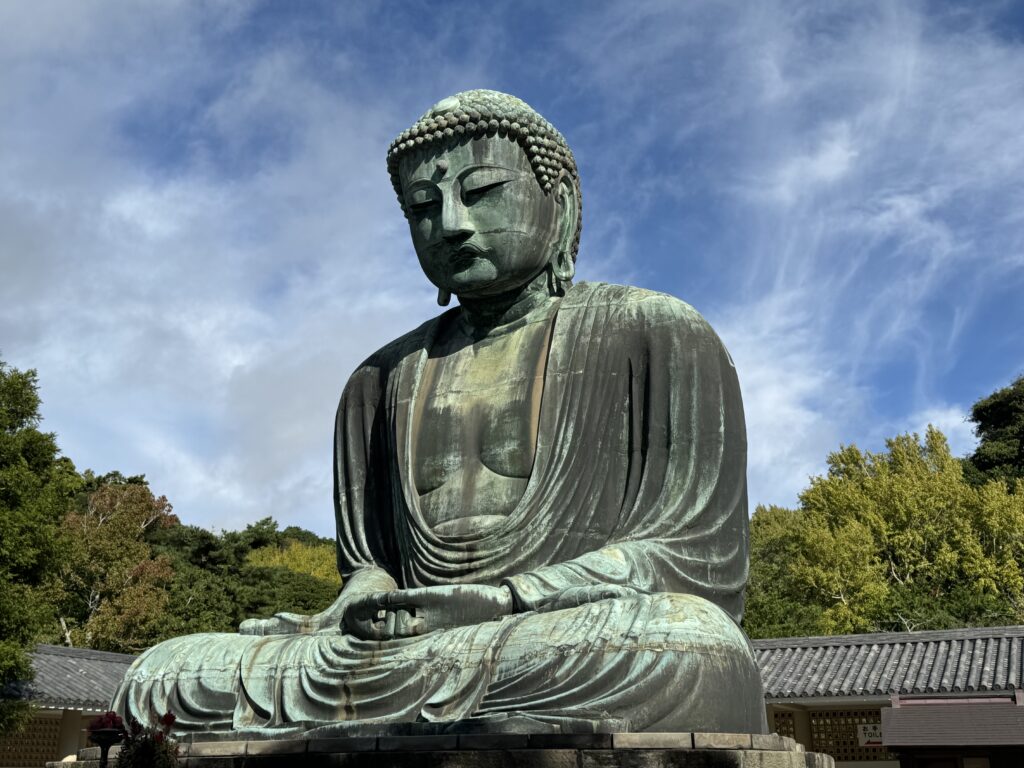
One of Japan’s most famous Buddhist statues, this 13-meter bronze Amida Buddha has sat in the open air since the 15th century. A must-see highlight of Kamakura.
3.Hasedera Temple(Hase Kannon)
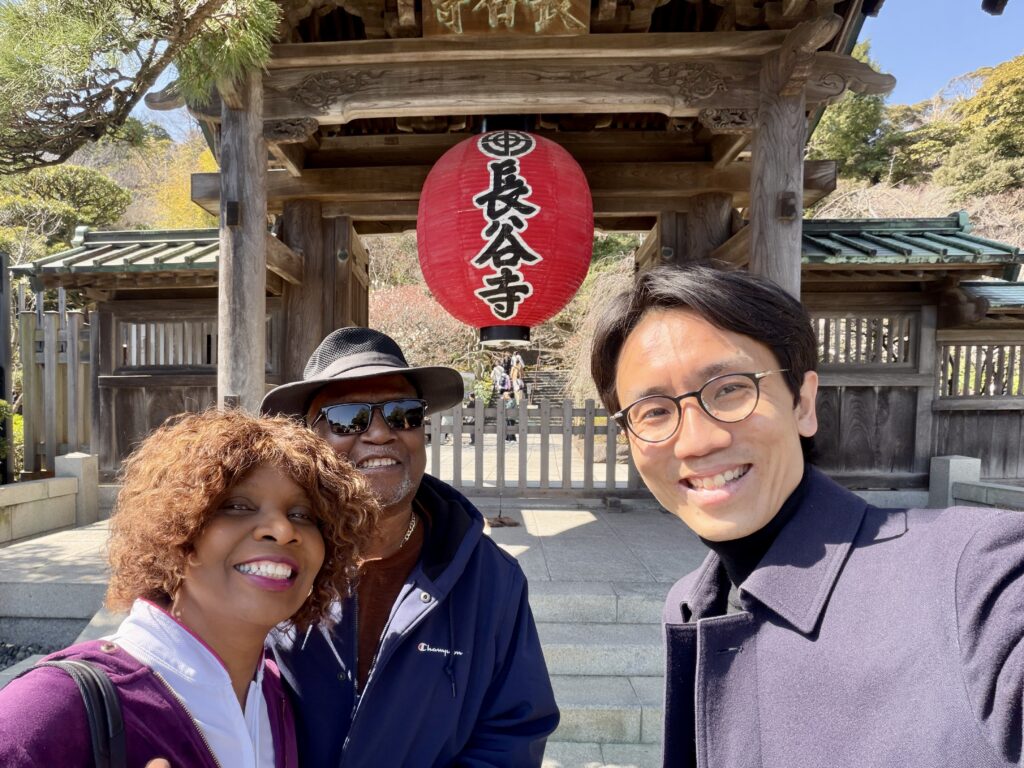
A sacred site since the Nara period, Hase-dera is home to one of Japan’s largest wooden statues—the majestic Eleven-Headed Kannon. This “Temple of Flowers” offers breathtaking views year-round, especially during the hydrangea season.
4.Lunch Time — Enjoy Authentic Japanese Cuisine
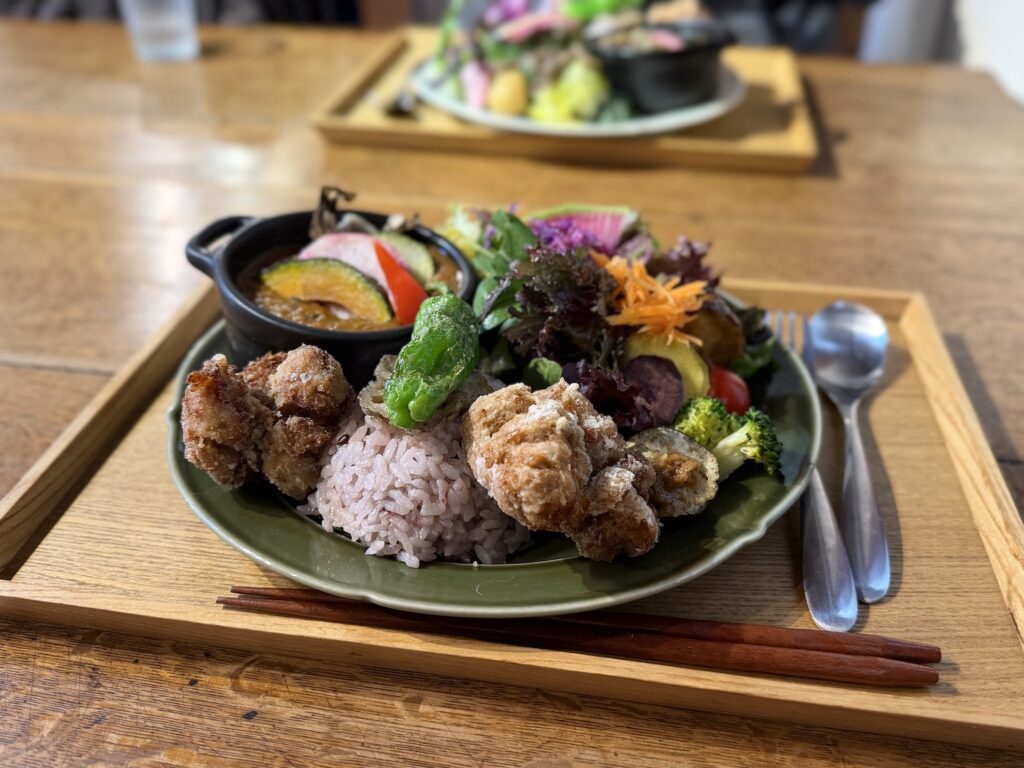
Take a relaxing lunch break at a local restaurant and enjoy authentic Japanese flavors. Options may include soba, tonkatsu, or a vegan lunch prepared on request.
Please note: Lunch cost is not included in the tour price.
5.Komachi Dori Street
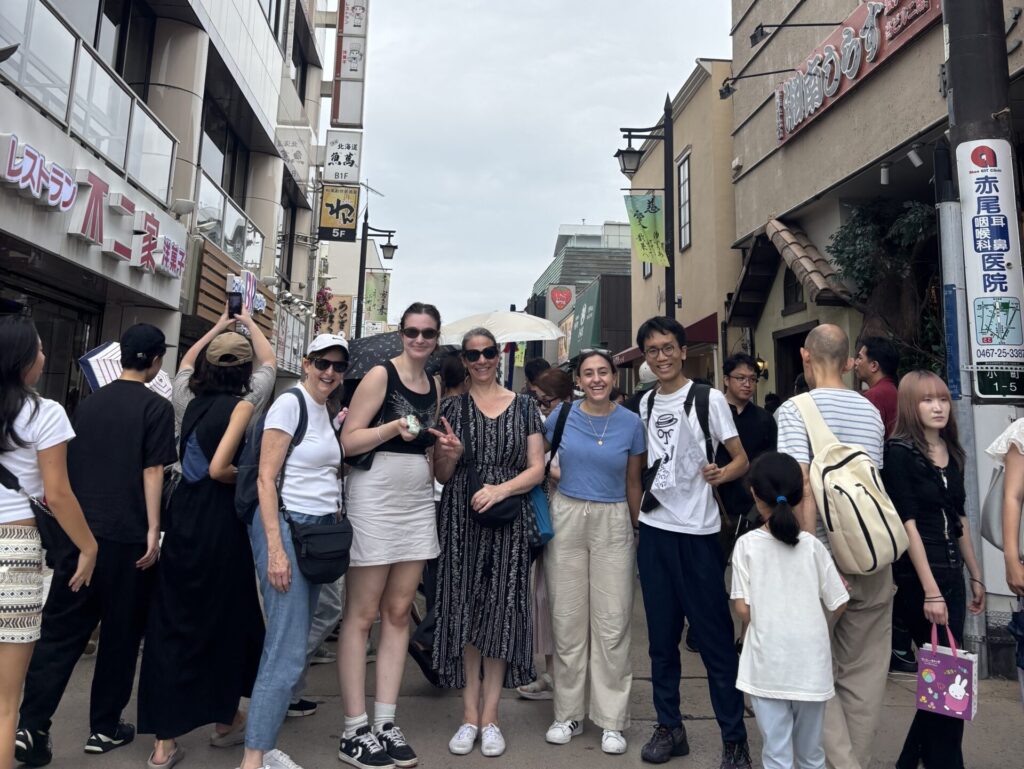
This lively shopping street is lined with local boutiques, cafés, and sweet shops. It is a great place to enjoy Kamakura’s casual atmosphere, sample local treats, and pick up souvenirs.
Plan B — Zen Temple & Kamakura History
A quieter route for travelers who want to experience Kamakura beyond the busiest tourist areas.
This plan combines Zen atmosphere, hidden paths, and peaceful shrines for a more reflective side of Kamakura.
Starting Point: Kita-Kamakura Station
1.Engaku-ji Temple
2.Kamegayatsu Kiridoshi Pass
3.Tsurugaoka Hachimangu
4.Enjoy Lunch Time — A Variety from Japanese Classics to Vegan Meals
5.Sasuke Inari Shrine
6.Kotoku-in (the Great Buddha of Kamakura)
Tour ends at Hase Station
1. Engaku-ji Temple
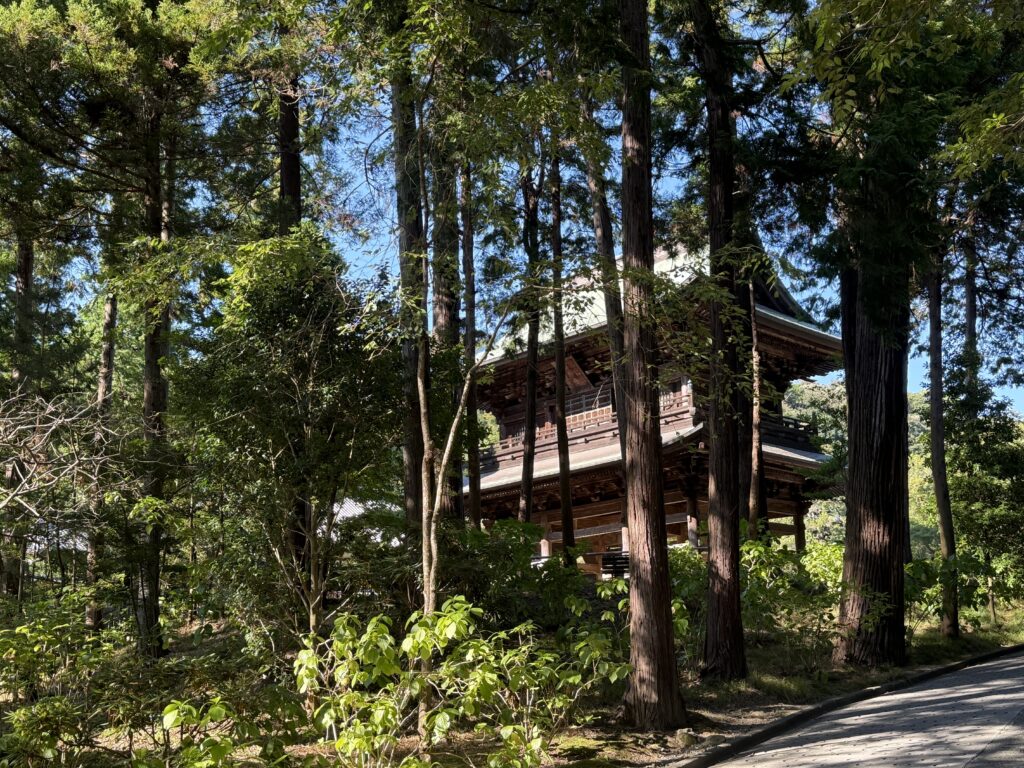
Begin your journey at Engaku-ji, one of Kamakura’s most important Zen temples. Founded in 1282 by the regent Hojo Tokimune, Engaku-ji stands as one of Kamakura’s most important Zen temples. Surrounded by tranquil cedar forests, it invites visitors to experience the calm spirit of Zen and centuries of samurai history.
2. Kamegayatsu Kiridoshi Pass
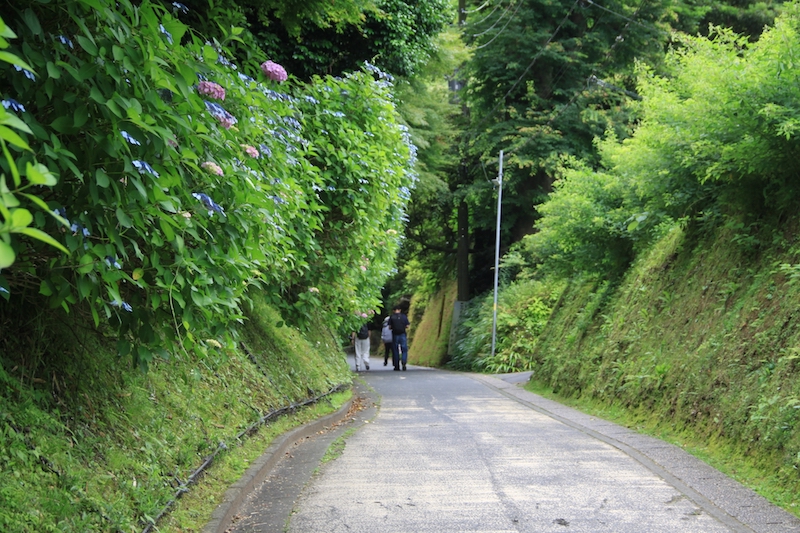
This narrow, centuries-old path once served as part of Kamakura’s natural defenses. Walking through this quiet pass, you can experience a hidden side of the city and imagine the landscapes that shaped the samurai era.
3. Tsurugaoka Hachimangu
Founded in 1063, Tsurugaoka Hachimangu is the spiritual heart of Kamakura and a symbol of its rich samurai heritage—a place where history, culture, and faith come vividly to life.
4. Enjoy Lunch Time — A Variety from Japanese Classics to Vegan Meals
Enjoy a relaxing lunch at a local restaurant offering authentic Japanese flavors. Options may include soba, tonkatsu, or a vegan meal prepared on request.
Please note: Lunch cost is not included in the tour price.
5. Sasuke Inari Shrine
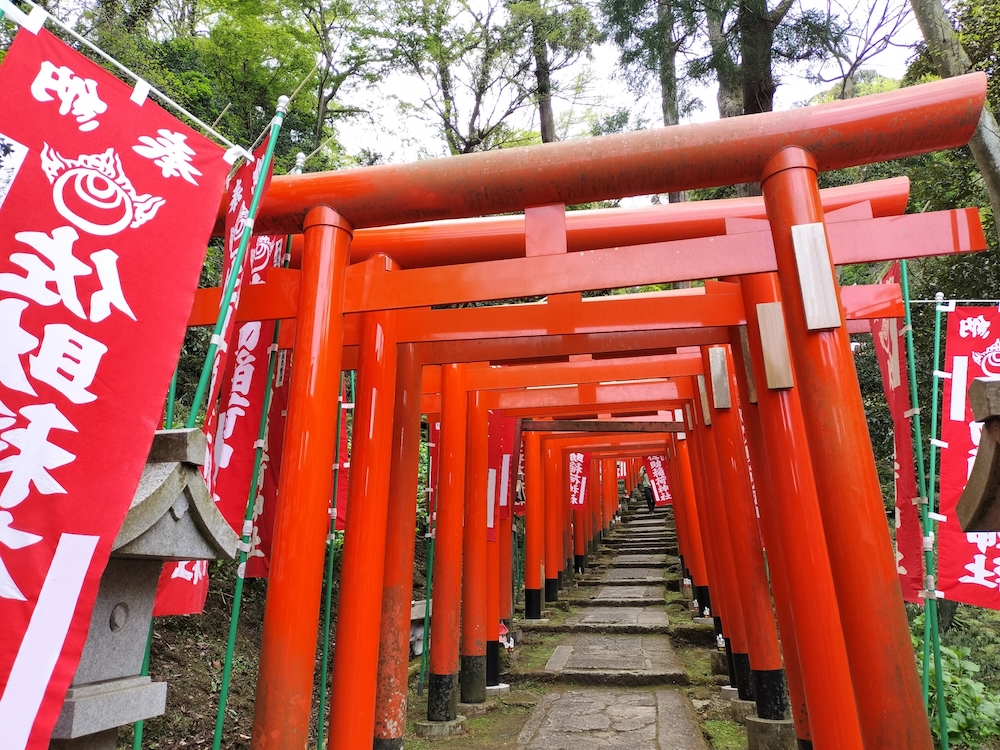
A peaceful hidden shrine with rows of red torii gates and fox statues, Sasuke Inari offers a quiet and atmospheric stop away from the crowds.
6. Kotoku-in (the Great Buddha of Kamakura)
One of Japan’s most famous Buddhist statues, this 13-meter bronze Amida Buddha has sat in the open air for the centuries. A must-see highlight of Kamakura.
PLAN C — Leave It to Me — A Local’s Personalized Tour
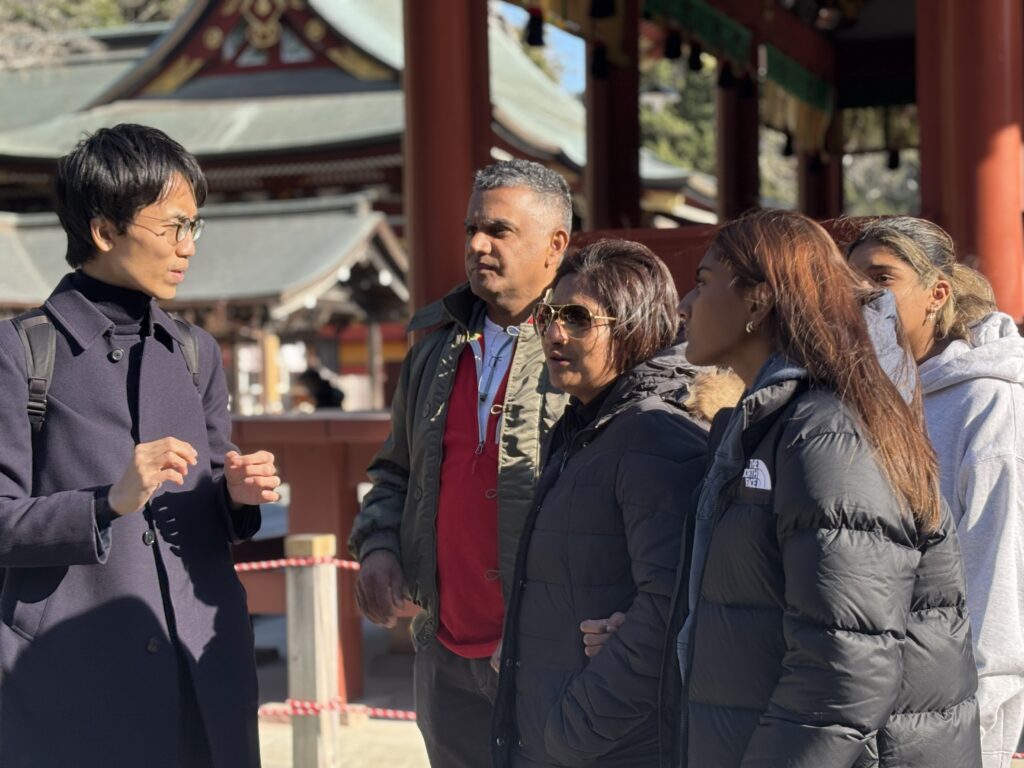
This is a personalized plan where I design the itinerary based on the weather, the season, our conversations, and your requests.
It is a great option for guests who want a flexible and authentic local experience.
Example Spots You May Visit
Discover the craftsmanship, spirituality, and heritage of Kamakura through local artisan shops and sacred sites — from Kamakura-bori woodcarving studios and traditional sword or knife makers to historic temples, each stop offers an authentic glimpse into Japan’s timeless culture and artistry.
The places below are examples only.
Your actual itinerary will be customized based on your interests and available time.
Kotoku-in Temple (the Great Buddha of Kamakura)
One of Japan’s most famous Buddhist statues, this 13-meter bronze Amida Buddha has sat in the open air for the centuries. A must-see highlight of Kamakura.
Tsurugaoka Hachimangu Shrine
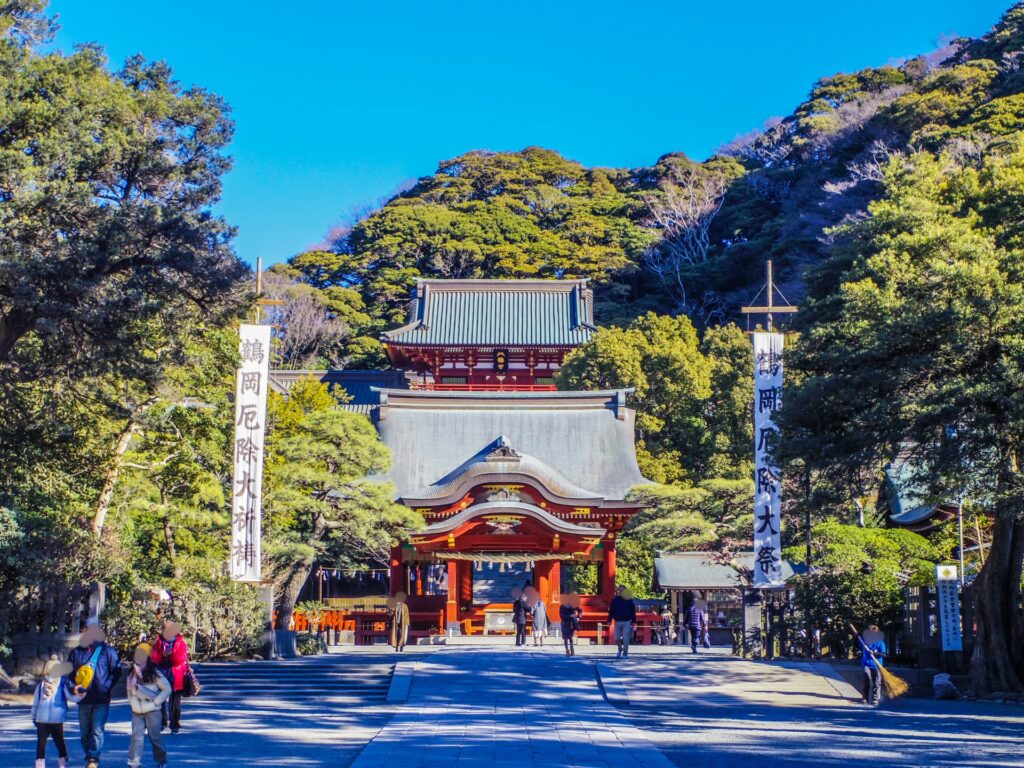
Founded in 1063, Tsurugaoka Hachimangu is the spiritual heart of Kamakura and a symbol of its rich samurai heritage—a place where history, culture, and faith come vividly to life.
Hasedera Temple (Hase Kannon)
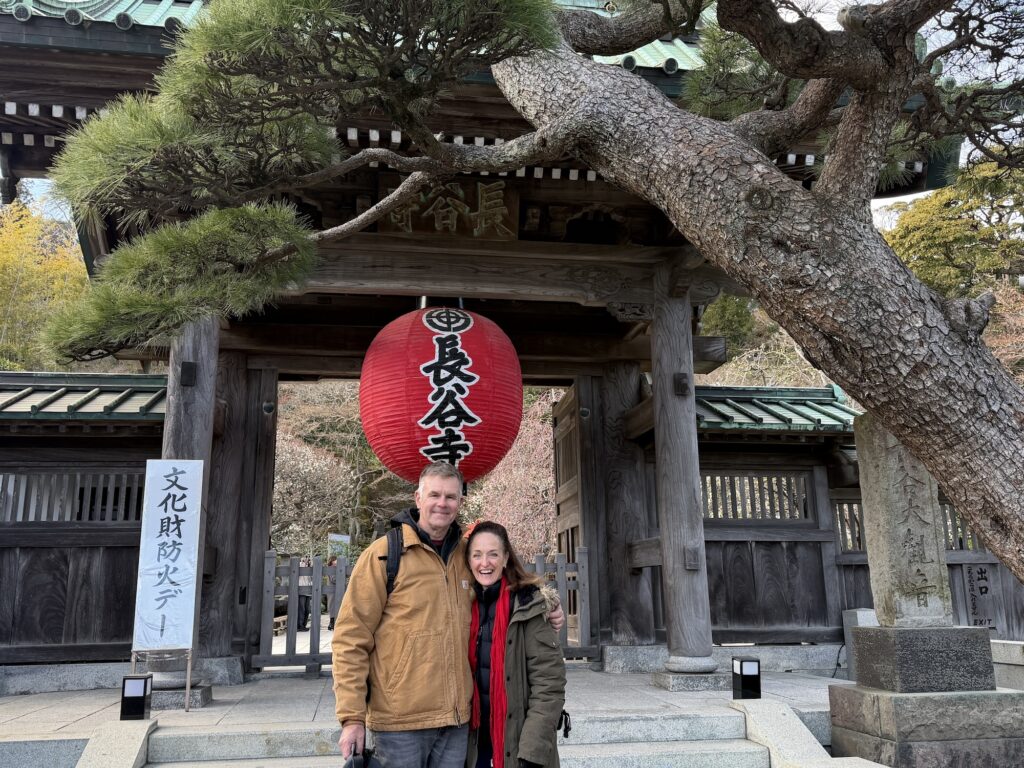
Known as the “Temple of Flowers,” home to one of the largest wooden Buddhist statues in Japan, the majestic Eleven-Headed Kannon,and also offers panoramic views of sea and city.
Engaku-ji Temple
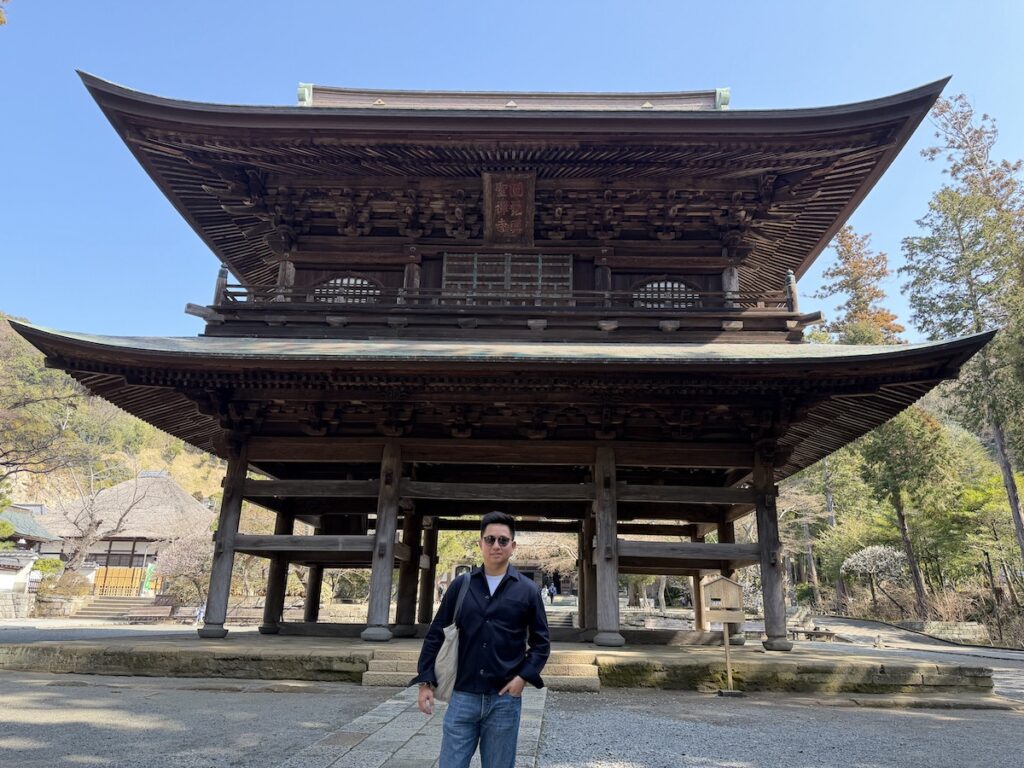
One of Japan’s most important Zen temples. Step inside and you’ll find yourself immersed in a serene world of silence. Your guide will share fascinating insights into Buddhist rituals and traditions as the tour begins.
Kencho-ji Temple
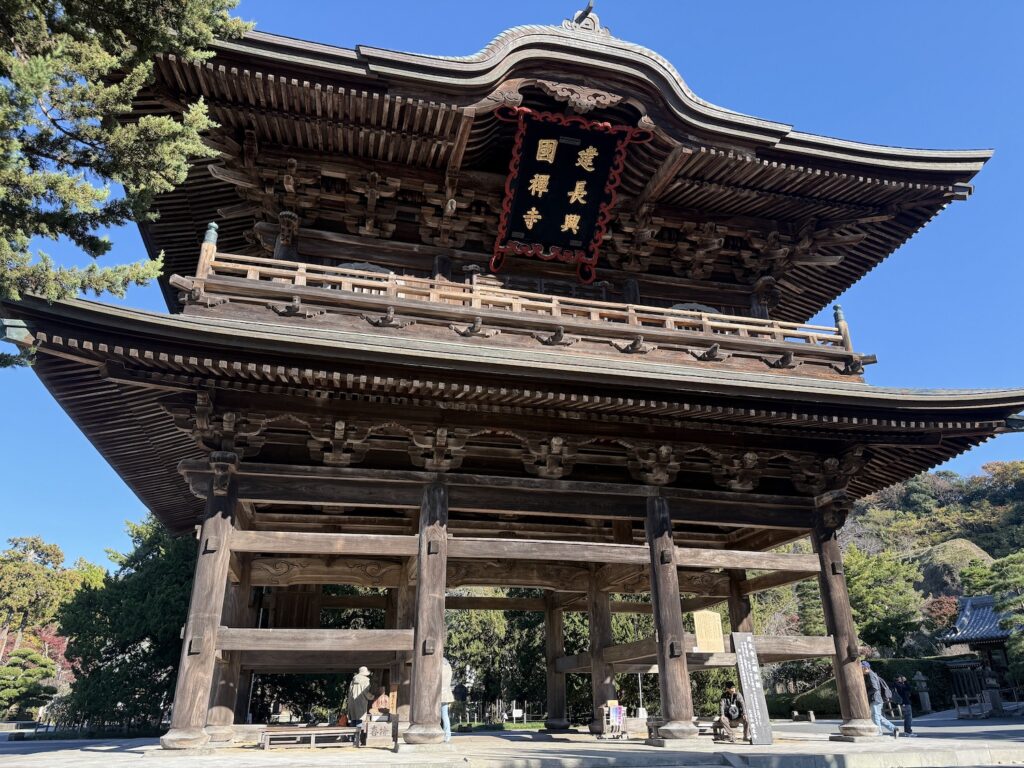
The oldest Zen temple in Kamakura, offering peaceful gardens and a great view from the hillside path.
Sasuke Inari Shrine
A peaceful hidden shrine with rows of red torii gates and fox statues, known for bringing good fortune.
Zeniarai Benzaiten Shrine (known as “money washing shrine”)
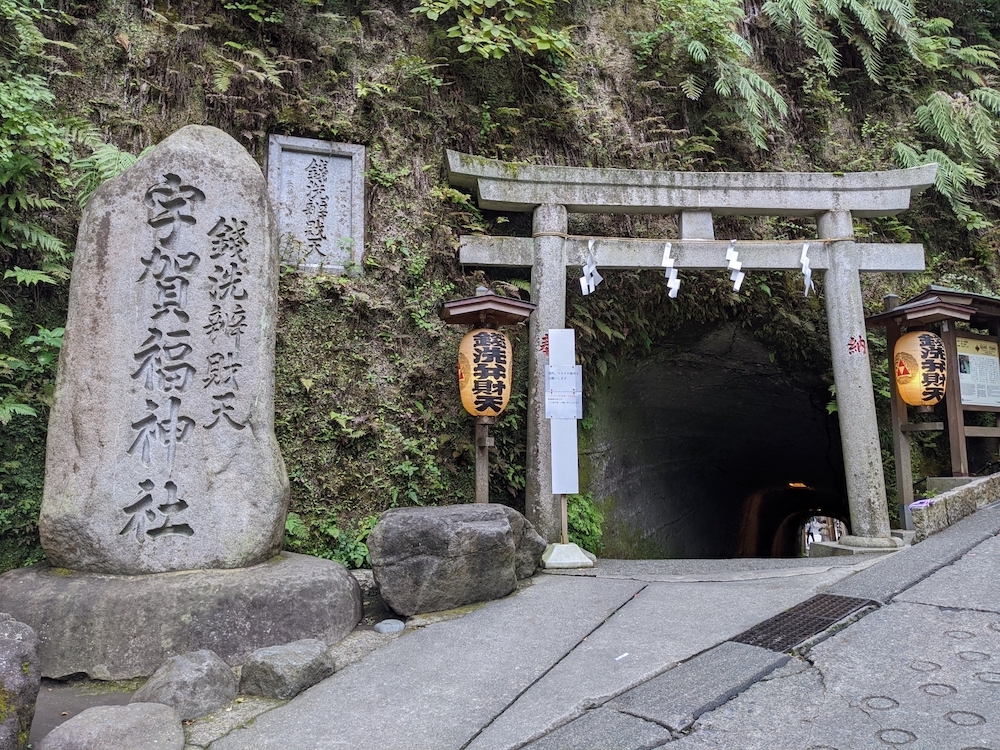
A sacred cave shrine where you wash your money in spring water to invite luck and prosperity.
hidden inside a cave surrounded by lush greenery. Legend says washing your money in its sacred spring brings prosperity. The candle-lit tunnel and gentle sound of water make this one of Kamakura’s most mystical and photogenic spots.
Yuigahama Beach
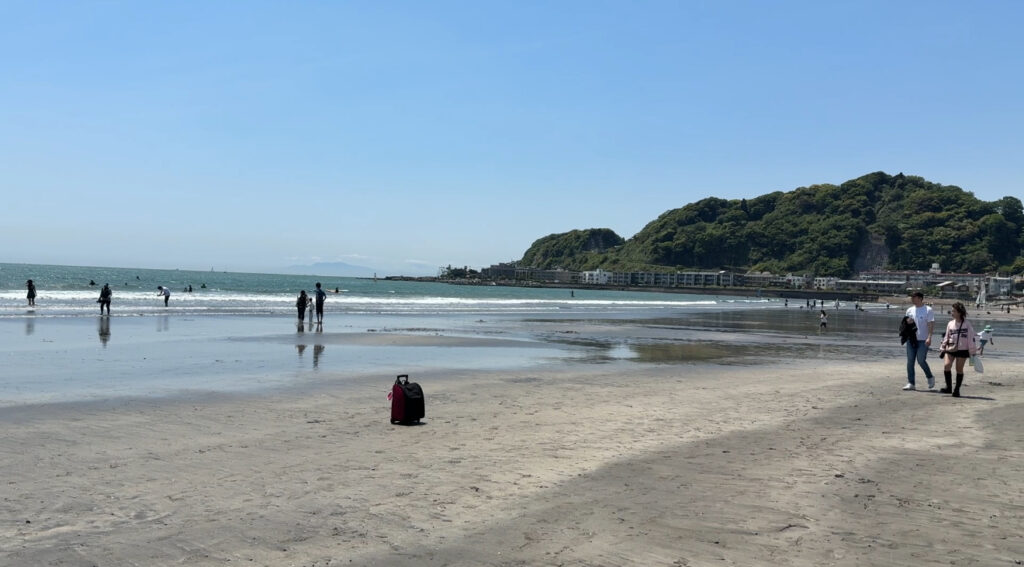
Feel the ocean breeze at Yuigahama Beach, one of Kamakura’s most beloved seaside spots.
Watch locals and surfers, and enjoy the slow rhythm of coastal life.
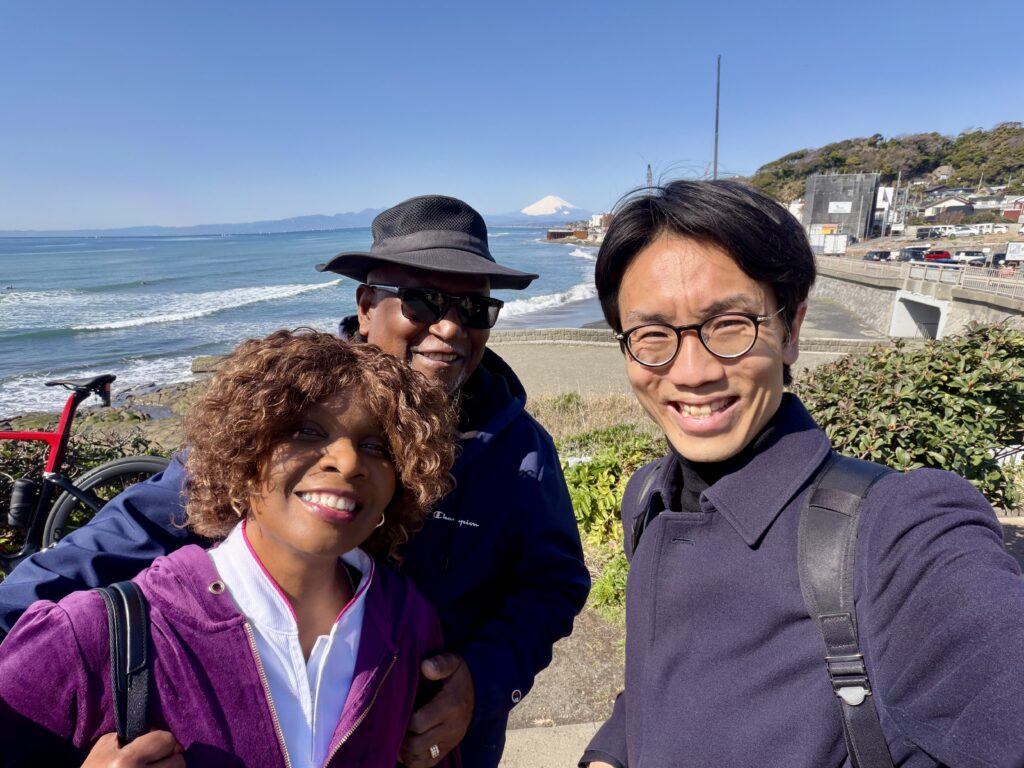
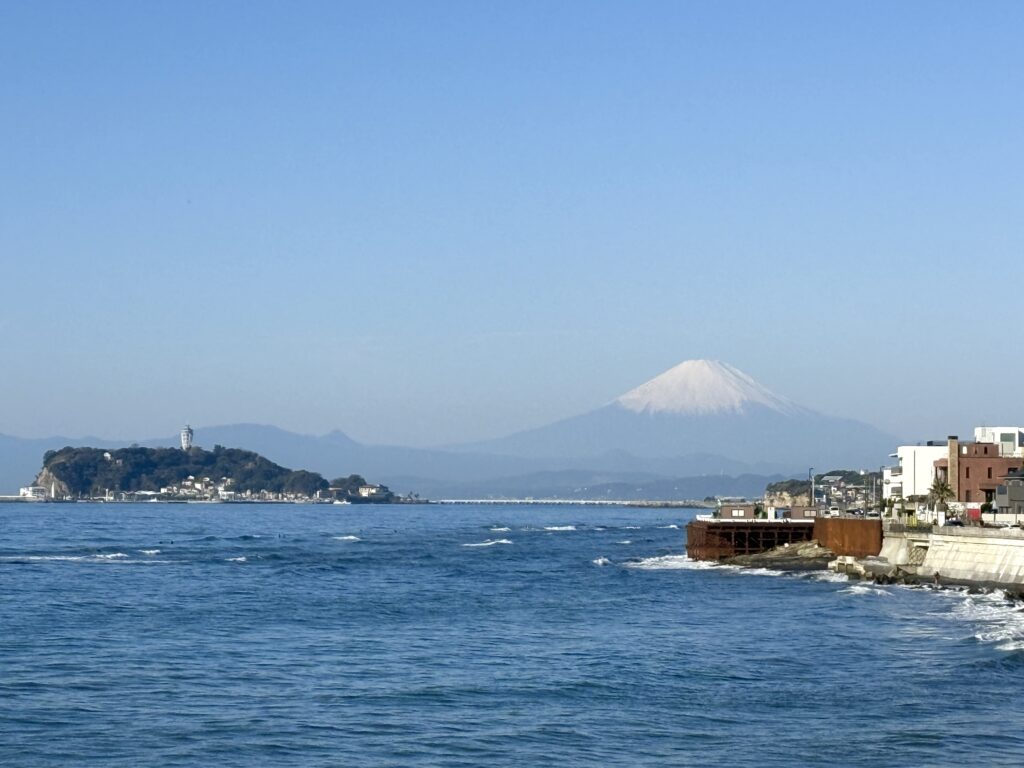
Inamuragasaki (A View Point of Mt. Fuji)
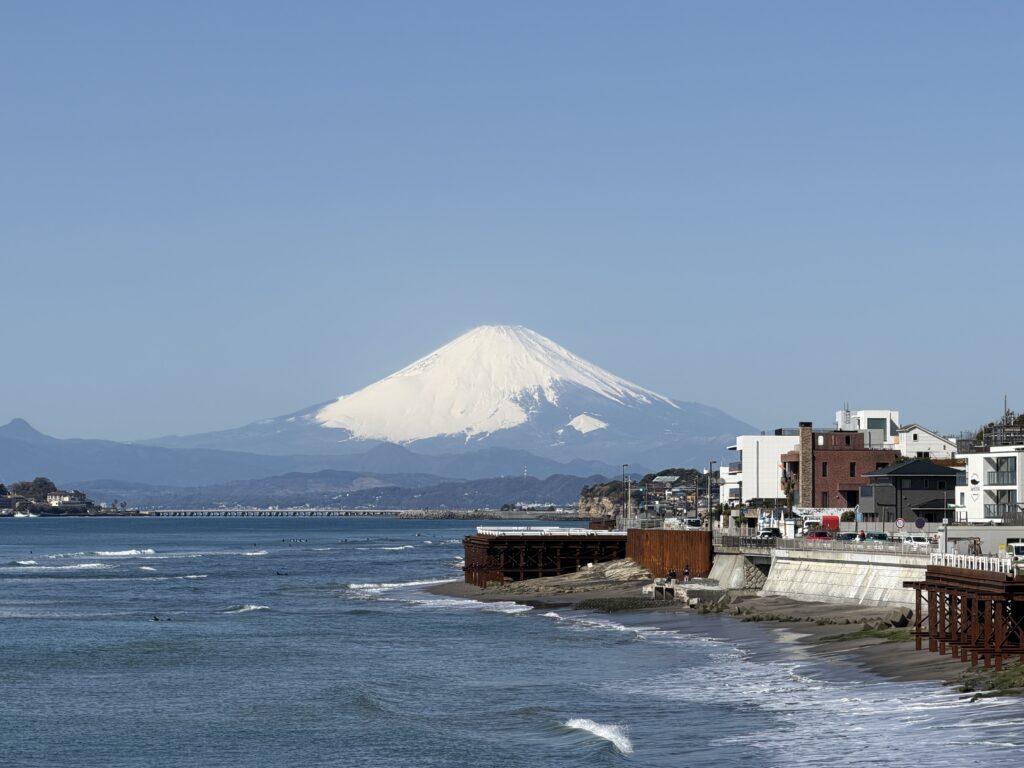
On clear days, I can take you to Inamuragasaki, one of Kamakura’s best viewpoints for Mt. Fuji.
Amanawa Shinmei-gu Shrine
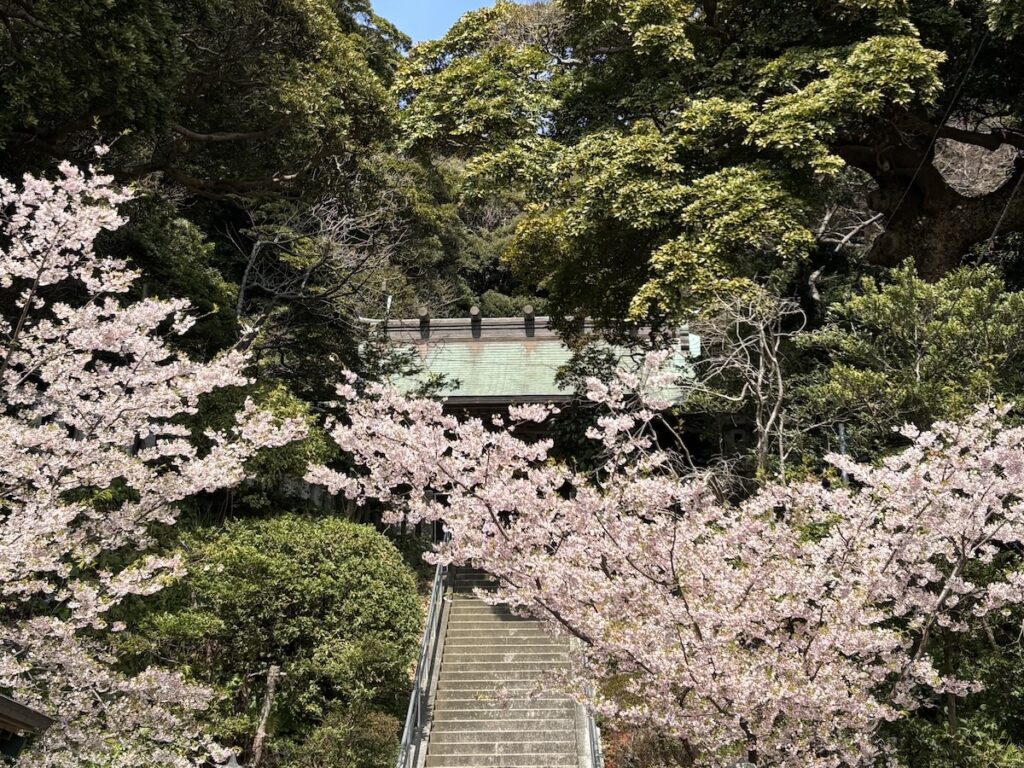
Considered the oldest shrine in Kamakura, this hidden gem offers serenity among bamboo groves and ancient trees.
the oldest Shinto shrine in Kamakura, founded in 710. Dedicated to the sun goddess Amaterasu, it remains a quiet sanctuary surrounded by bamboo and ancient trees. Few visitors find their way here — a true hidden gem where history and nature meet in harmony.
Kamegayatsu Kiridoshi Pass
Follow your guide through Kamegayatsu Kiridoshi Pass, a narrow, centuries-old trail connecting Engaku-ji to central Kamakura. Carved directly into the hillside, it once served as a natural fortress protecting the city from invasion. As you walk this quiet, historical path, you’ll hear stories of samurai strategy and the landscapes that shaped their world.
Komachi Dori Street
Explore Komachi Dori Street, lined with gourmet treats, traditional sweets, and unique local shops.
Authentic Kimono Shop Katsura (Local Kimono Shop)
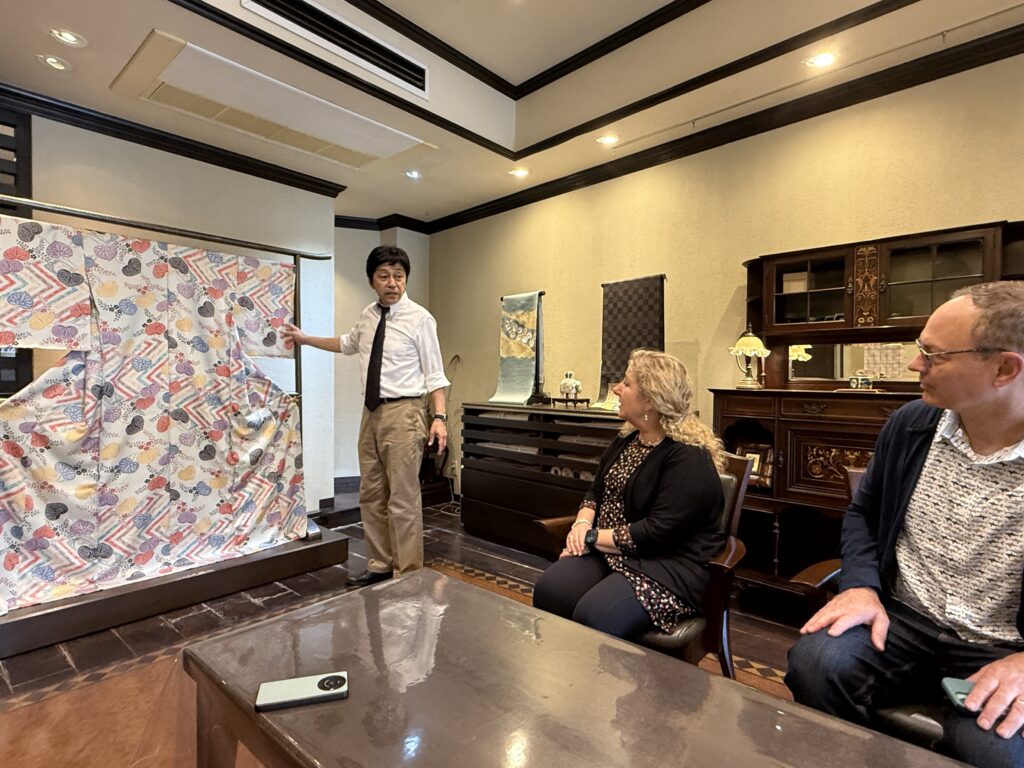
Authentic Japanese KIMONO Shop Katsura, a long-established kimono shop with over 57 years of history, known for its authentic, high-quality kimonos.
Kikuichi – Cutlery and Craftsmanship Since 1902
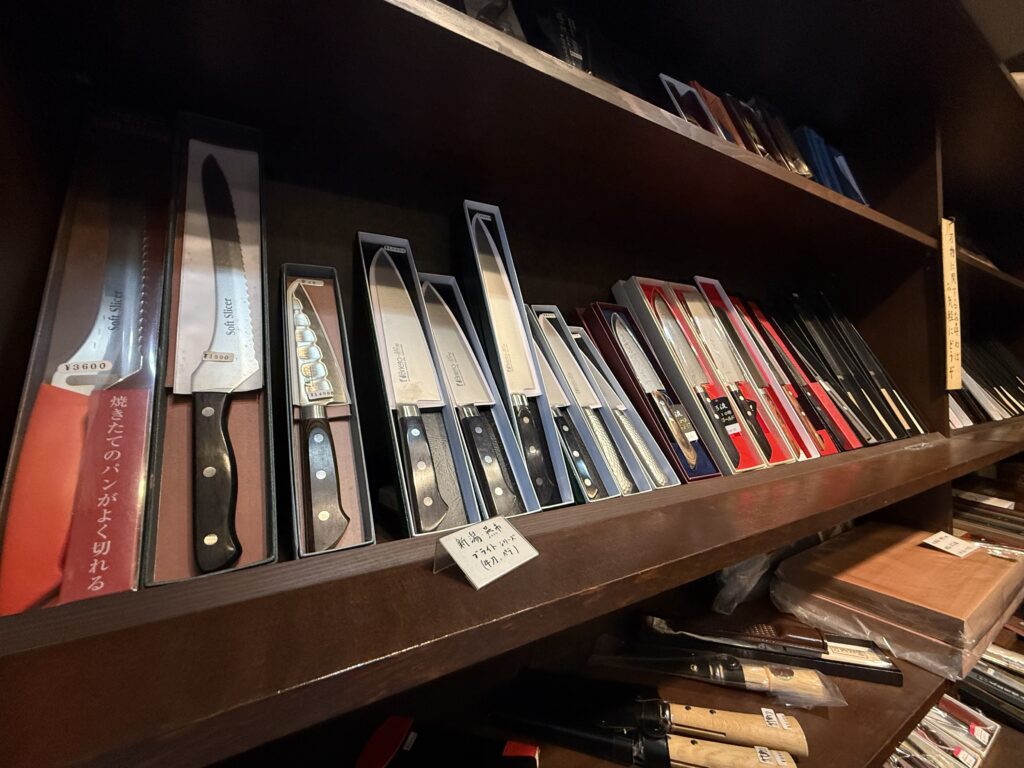
Step into a 120-year-old knife shop where tradition is still alive. Founded in Yokohama and later relocated to Kamakura, Kikuichi offers everything from fine kitchen knives to delicate carving tools. If you’re lucky, you may catch a glimpse of a craftsman hand-sharpening blades using whetstones and water buckets—an art in itself.
The Kamakurabori Museum of Art and Craft
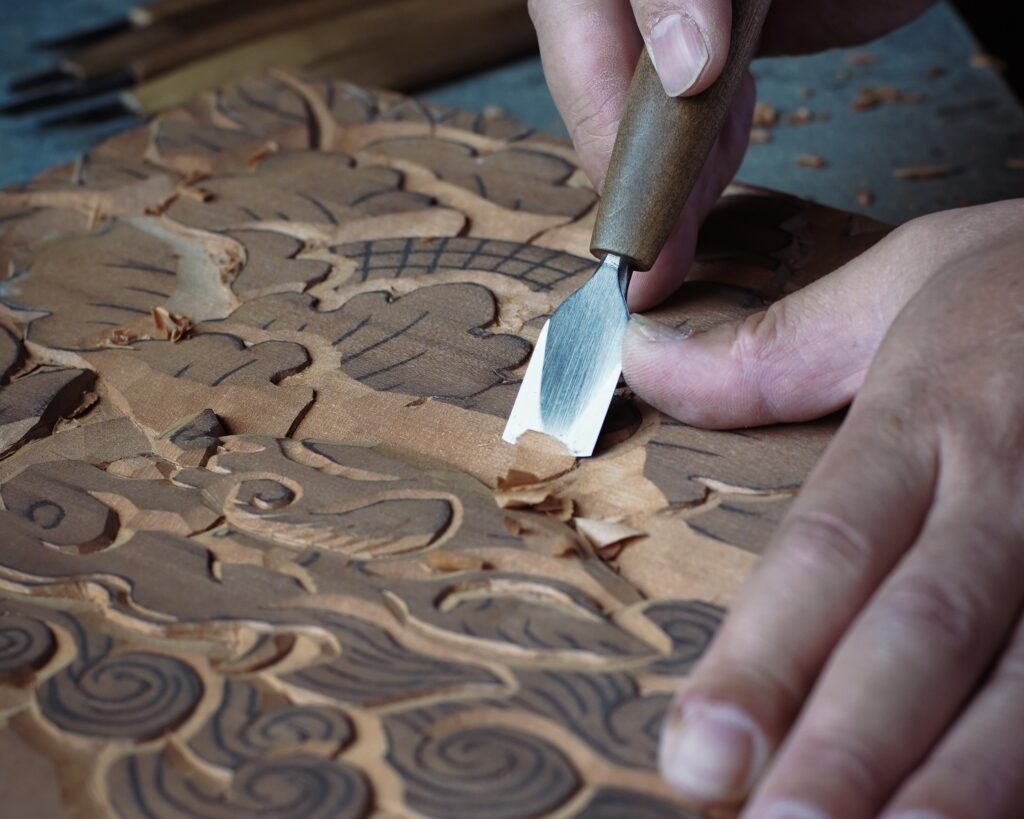
Learn about Kamakura-bori, a unique lacquerware craft with origins in the Kamakura period. Ever wanted to try your hand at traditional Japanese carving? Here, you can! Under the watchful eye of a skilled artisan, you’ll shape your own piece of Kamakura history (Advance reservation required for workshops).
Come for the history—leave with stories you’ll want to tell again and again.
Let’s explore the real Kamakura, together.
Customize Your Journey
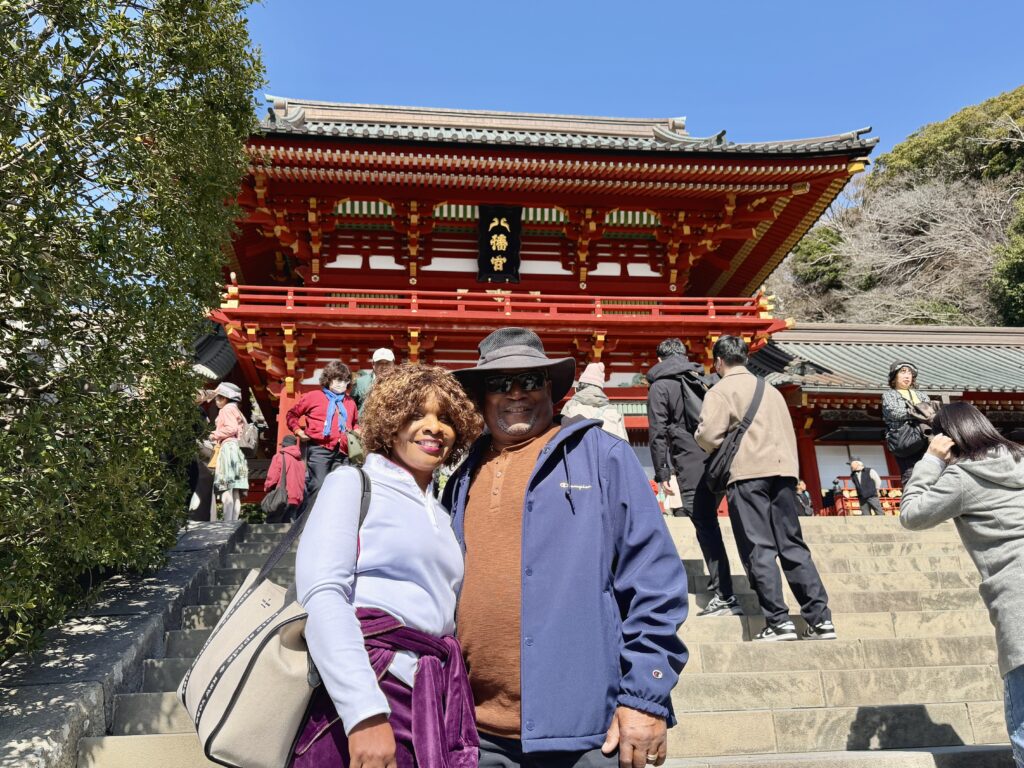
This is not a fixed route—it’s your Kamakura.
Would you like to explore more temples and history? Prefer hidden alleys and cozy cafés?
Or are you curious about local crafts, food culture or seasonal scenery?
Just share your interests, and we’ll design the perfect balance for your personalized Kamakura experience.
What’s Included / Not Included
Included
- Private guiding service
- A customized itinerary based on your interests
- Local insights and recommendations from your guide
Not Included
- Entrance fees
- Transportation costs
- Food and drinks
- Optional hotel pick-up fee
Meeting & Ending Point
The tour usually starts at Kamakura Station, but the starting point can be adjusted depending on your itinerary and requests.
The tour usually ends in the Kamakura area.
If needed, we can help you continue to your next destination after the tour.
Pick-up Option Available (by Public Transportation)
Enjoy the convenience of a private pick-up service directly from your accommodation.
If you’re staying in Yokohama or Kawasaki, the service is available for 8,000 JPY per group.
For Tokyo hotels, the fee is 10,000 JPY per group.
Please request this option in advance when booking your tour.
We can also pick you up directly from your hotel for a smooth and stress-free start to your tour.
Your Guide
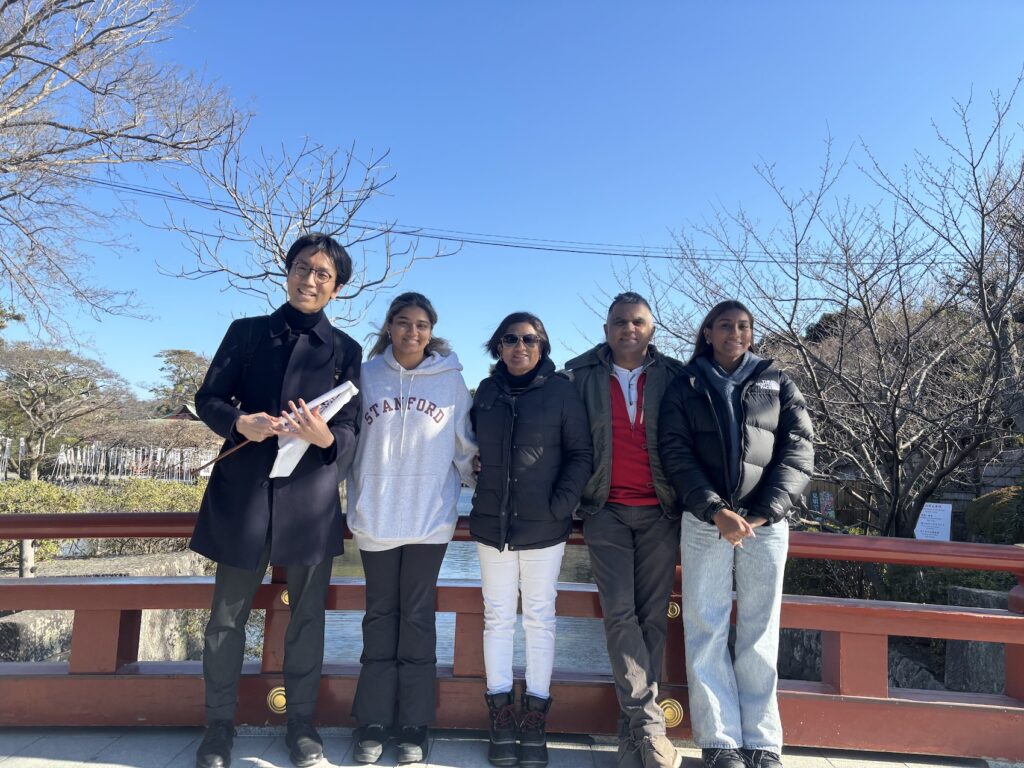
Join Takumi for an authentic Kamakura 1-Day Tour and discover the real spirit of this historic city through the eyes of a local guide.

Takumi Ikeda(池田拓海)
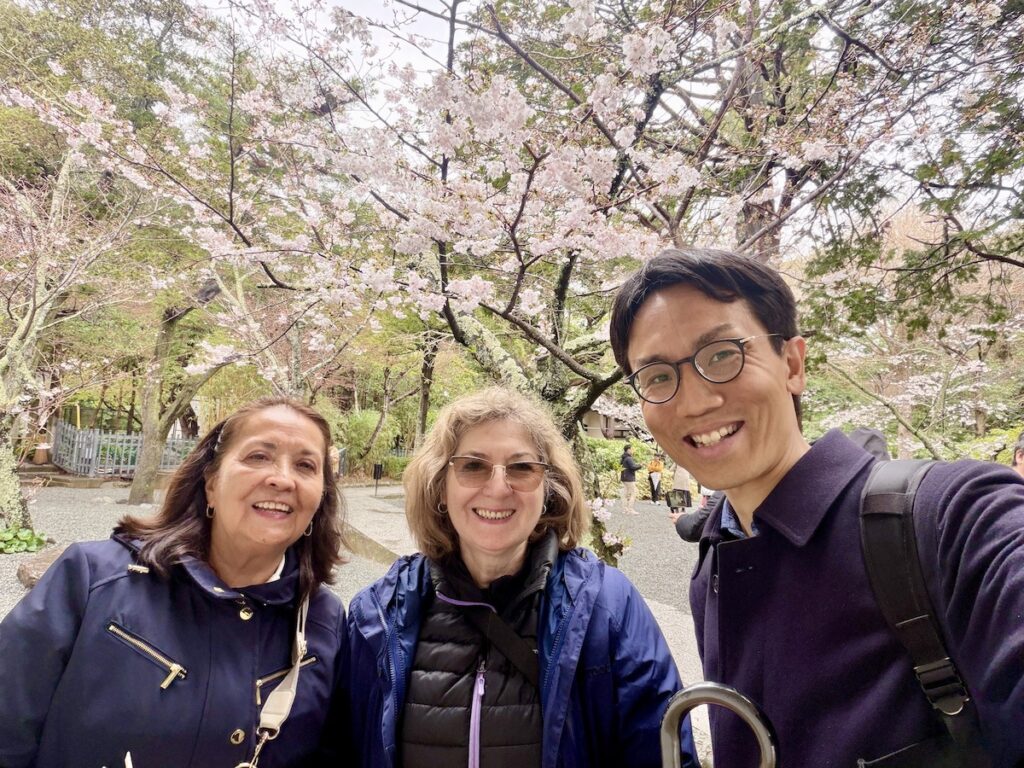
Takumi Ikeda grew up wandering the backstreets of Kamakura, where every narrow path hides a story. With a background in hospitality across Japan and even on a cruise ship in Greece, he brings both insider knowledge and a traveler’s perspective. His tours are more like conversations—where he shares not just places, but his personal love for his hometown.
Join Takumi for an authentic Kamakura day tour with a local guide and discover the real spirit of this historic city.
Follow Our Journey
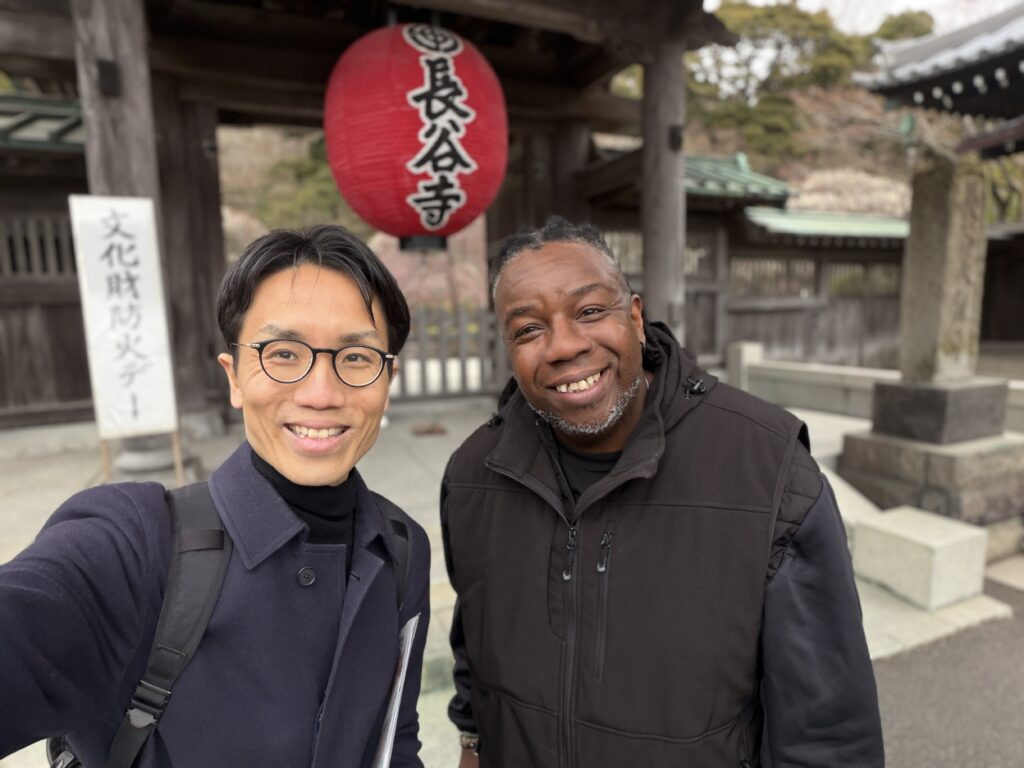
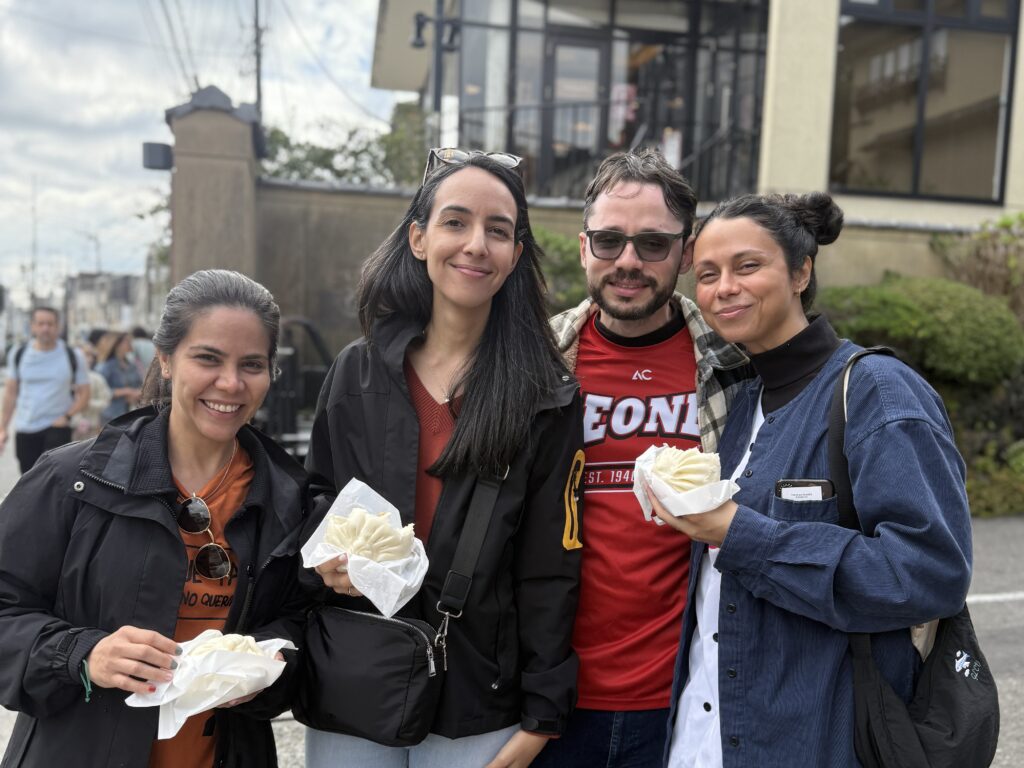
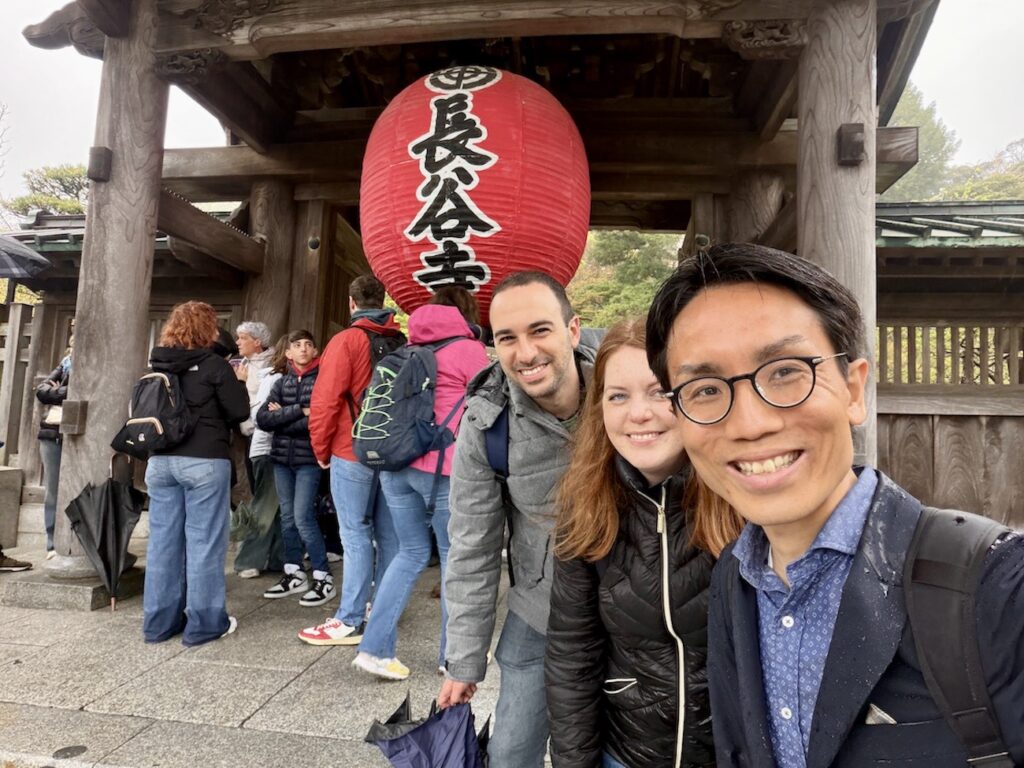
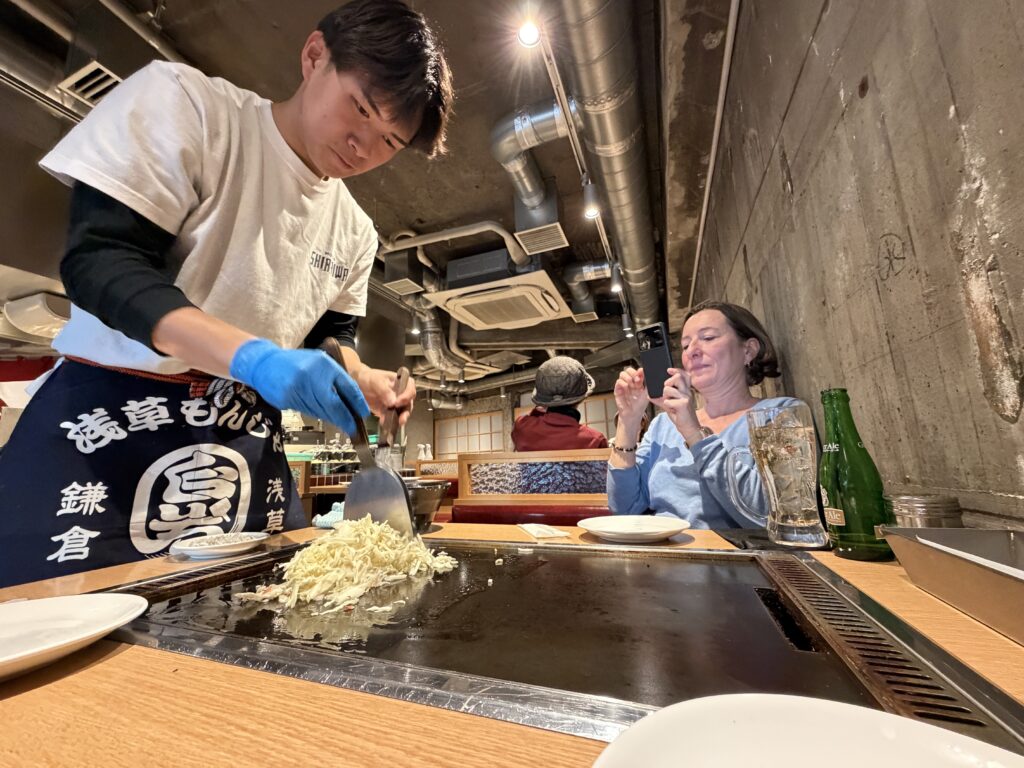
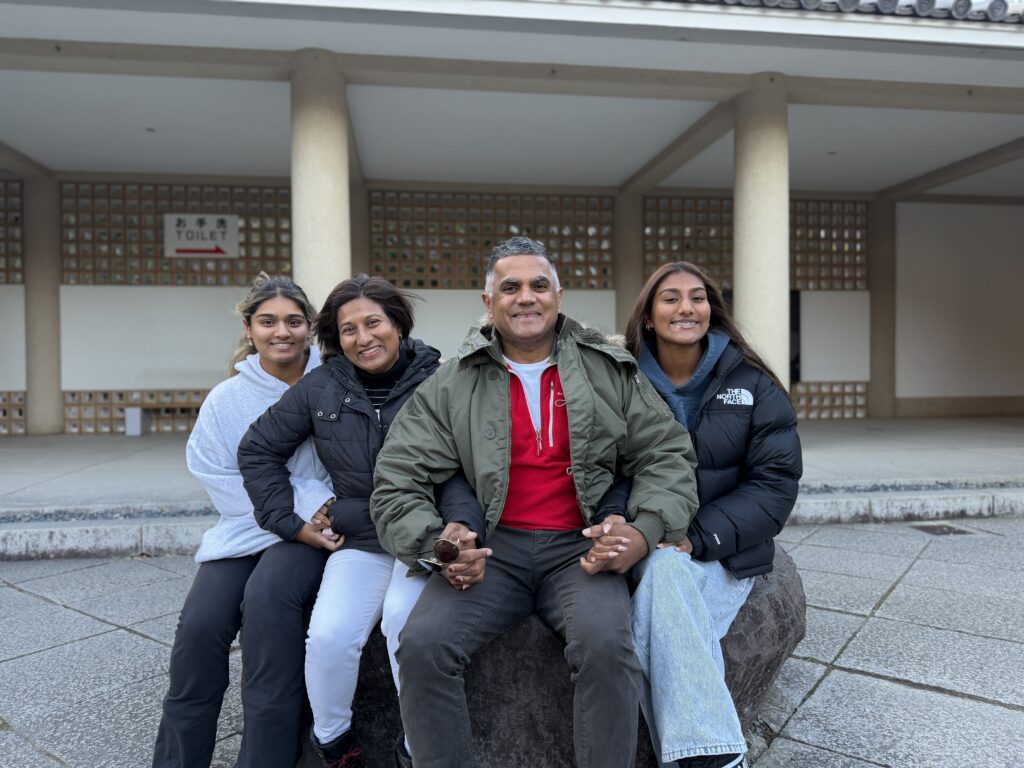
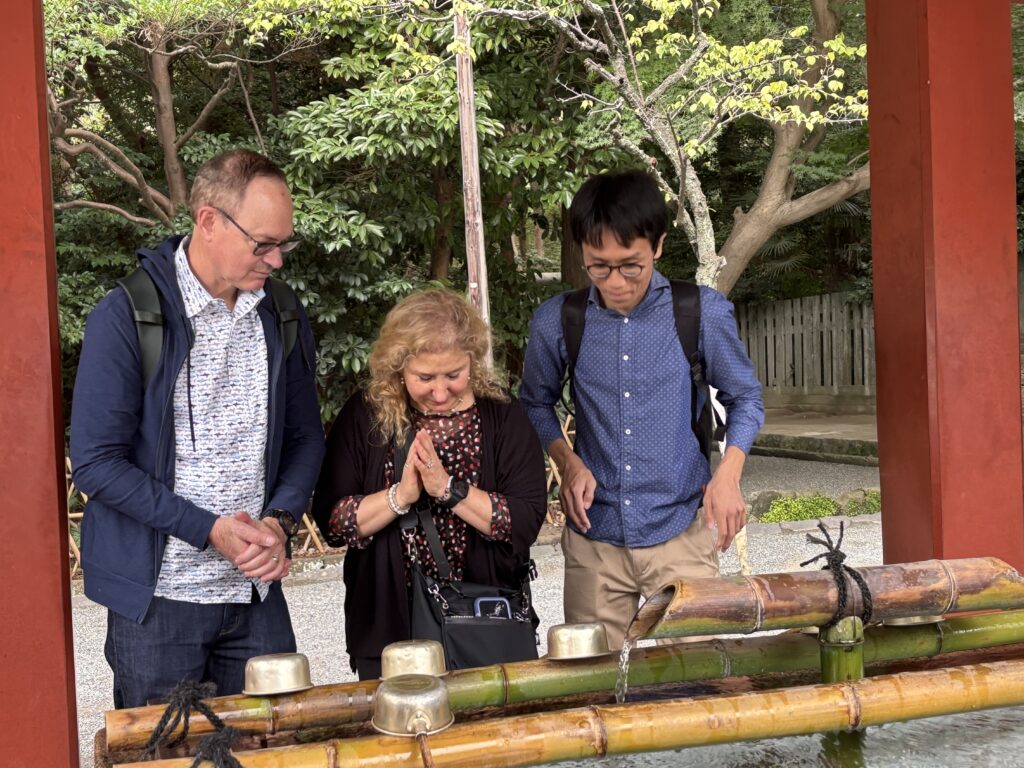
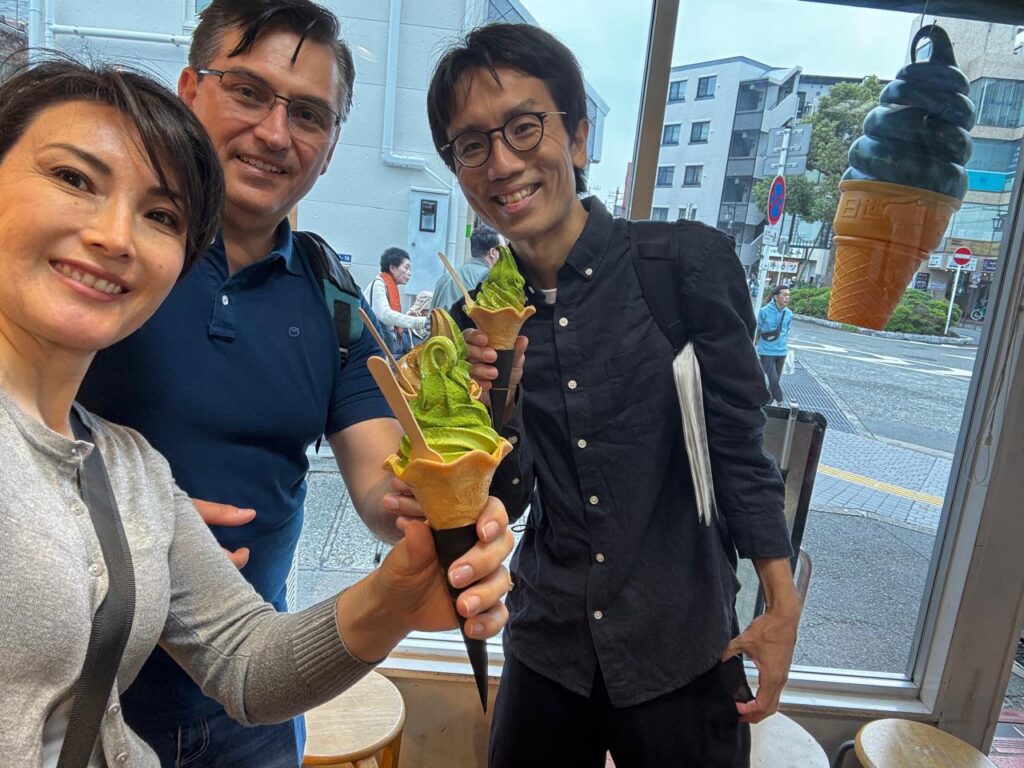
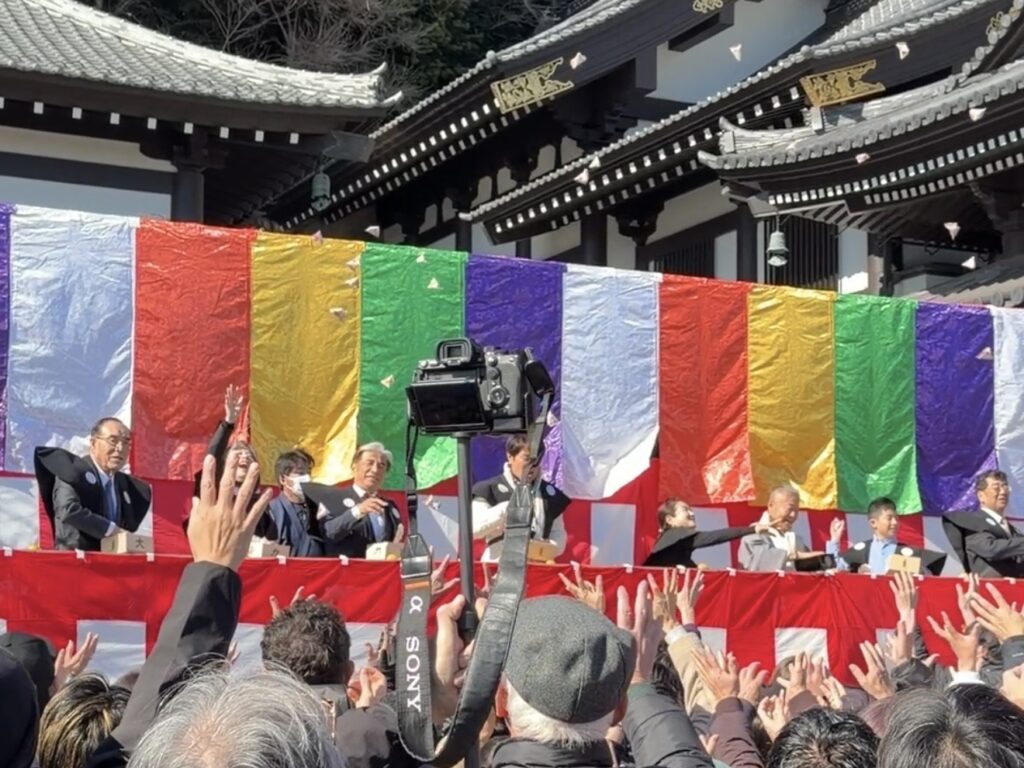
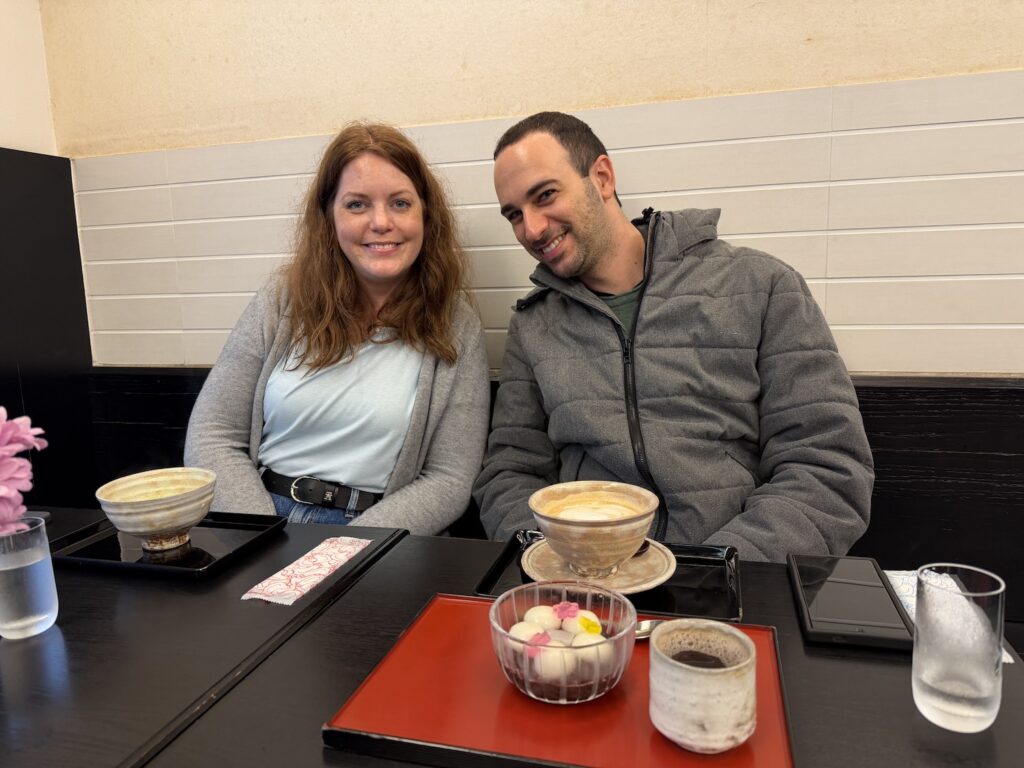
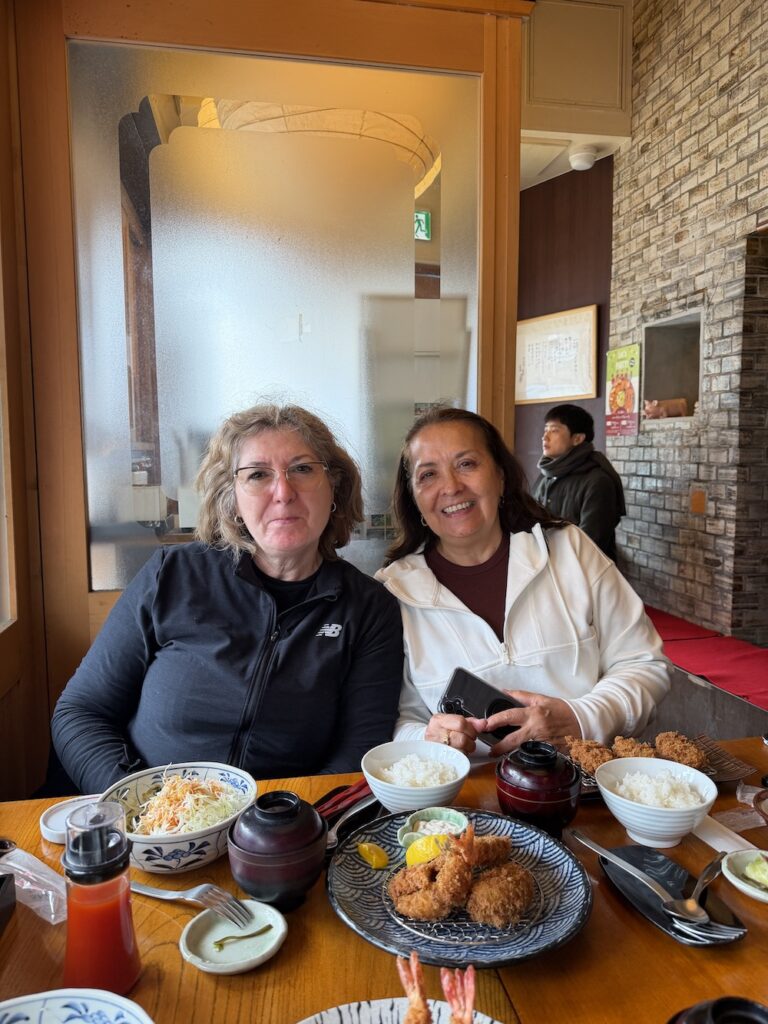
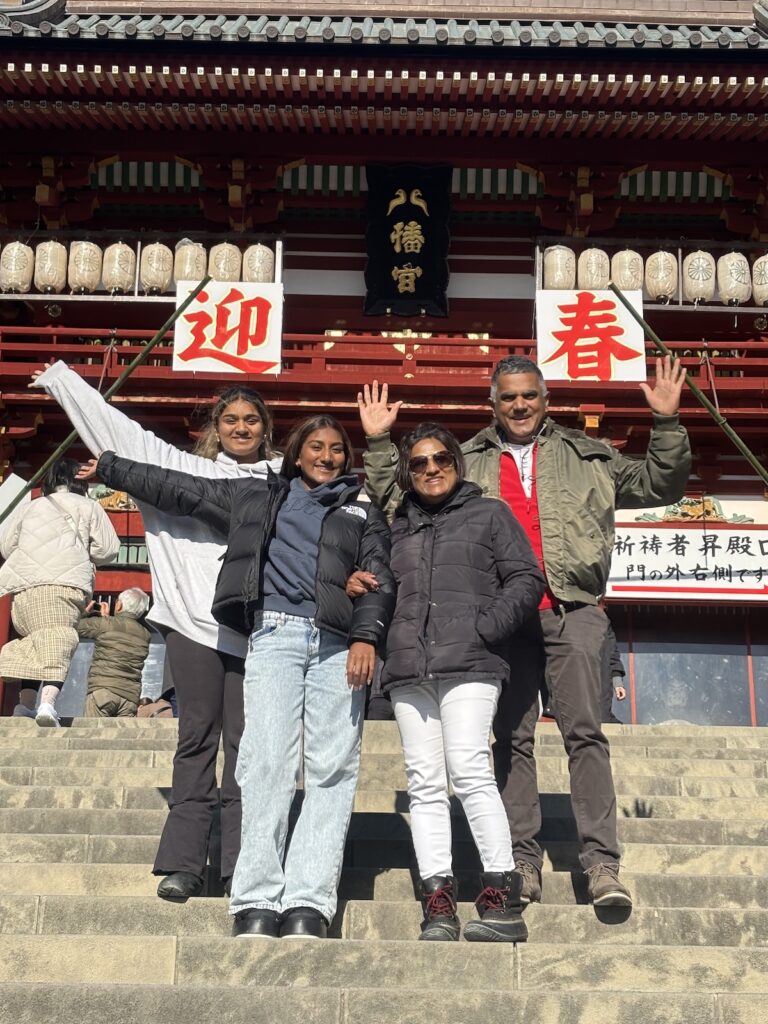
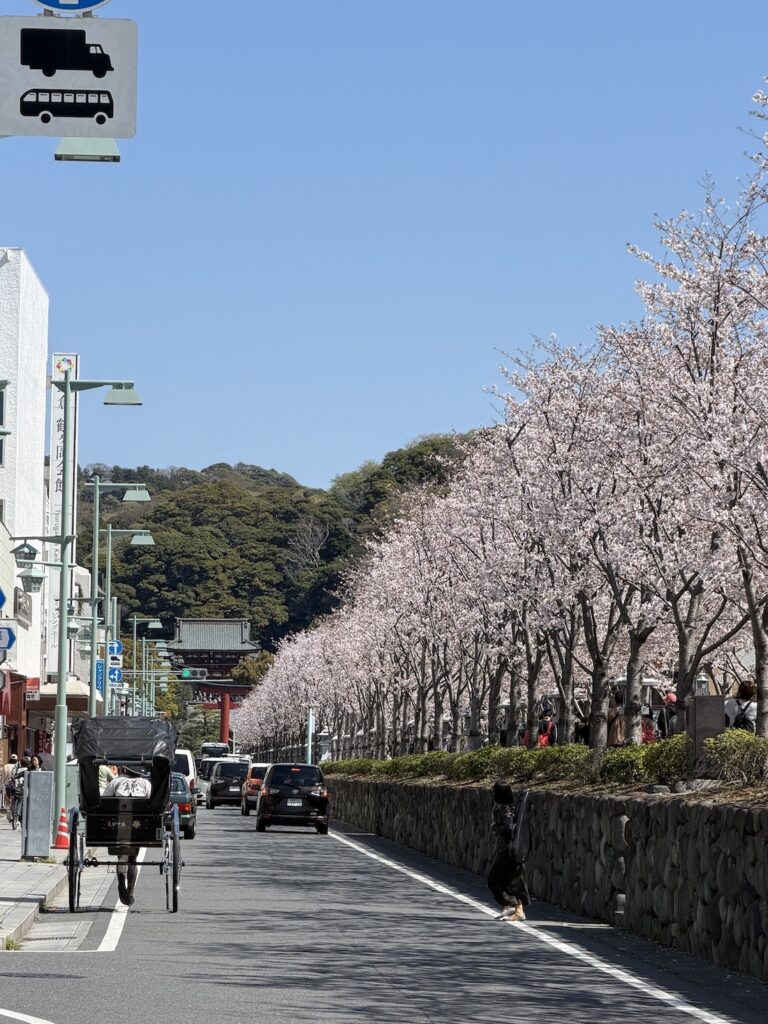
See more of our cultural experiences and guest moments on Instagram:
https://www.instagram.com/kamakura_experience/
FAQ
Q: What happens if it rains on the tour day?
A: The tour runs regardless of weather conditions, but some parts of the itinerary may be adjusted depending on the weather.
Q: Can I join the tour if I don’t speak English?
A: The tour guide speaks English. If you need an interpreter, please let us know in advance.
Q: Do you offer hotel pick-up service?
A:Yes, we do.
Pick-up is available from hotels in the Yokohama or Kawasaki area for 8,000 JPY per group,
and from Tokyo hotels for 10,000 JPY per group.
Please let us know in advance if you would like to add this option.
Q: What time can we start the tour?
A: You can choose a start time between 8:00 AM and 12:00 PM for the 6-hour tour.