November is one of the most beautiful months to explore Kamakura, Japan’s historic samurai capital.
Beyond the autumn leaves, traditional Shinto festivals, special temple openings, seasonal flowers, and evening illuminations offer many opportunities to discover Kamakura’s rich history and culture.
Taki, a Kamakura-born private guide from Kamakura Experience, will introduce you to the best things to see and do in his hometown this November!
November in Kamakura
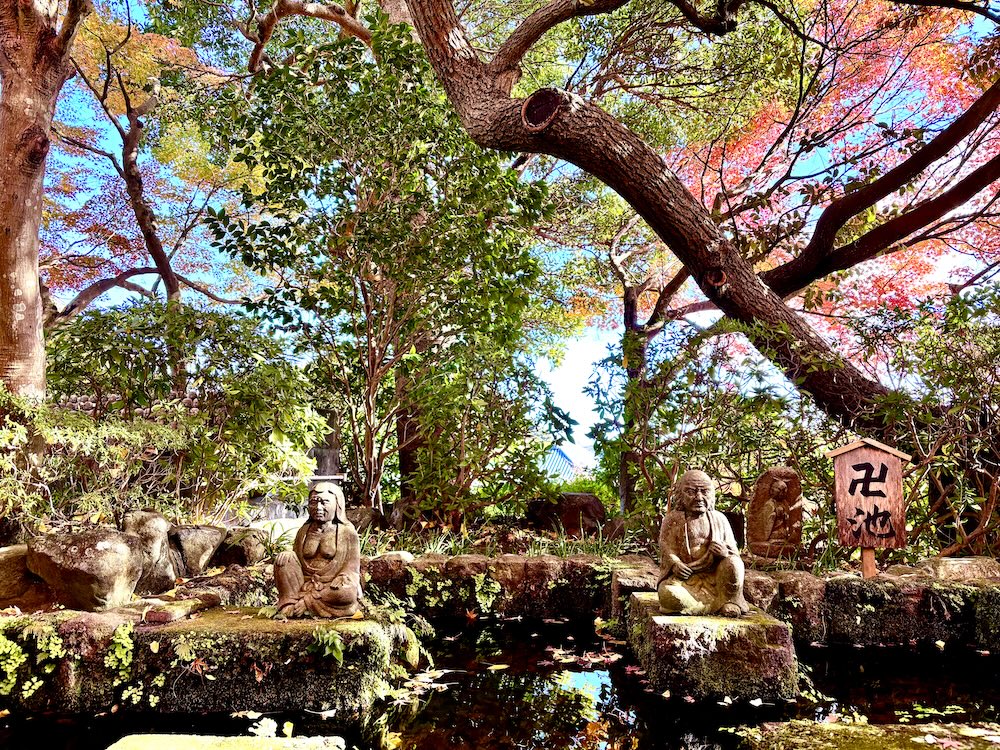
November brings cooler weather, making it a wonderful season to explore Kamakura’s temples, shrines, and gardens.
One thing to remember: autumn leaves arrive relatively late in Kamakura.
The best autumn colors usually appear from late November to early December, with some places remaining beautiful well into December.
Early November is still a lovely time to enjoy seasonal flowers and traditional cultural events.
Traditional Festivals & Cultural Events in November 2026
November offers several opportunities to experience Kamakura’s history and living traditions.
October 31–November 2: Annual Treasure Exhibition & Special Opening of Engakuji’s National Treasure Shariden
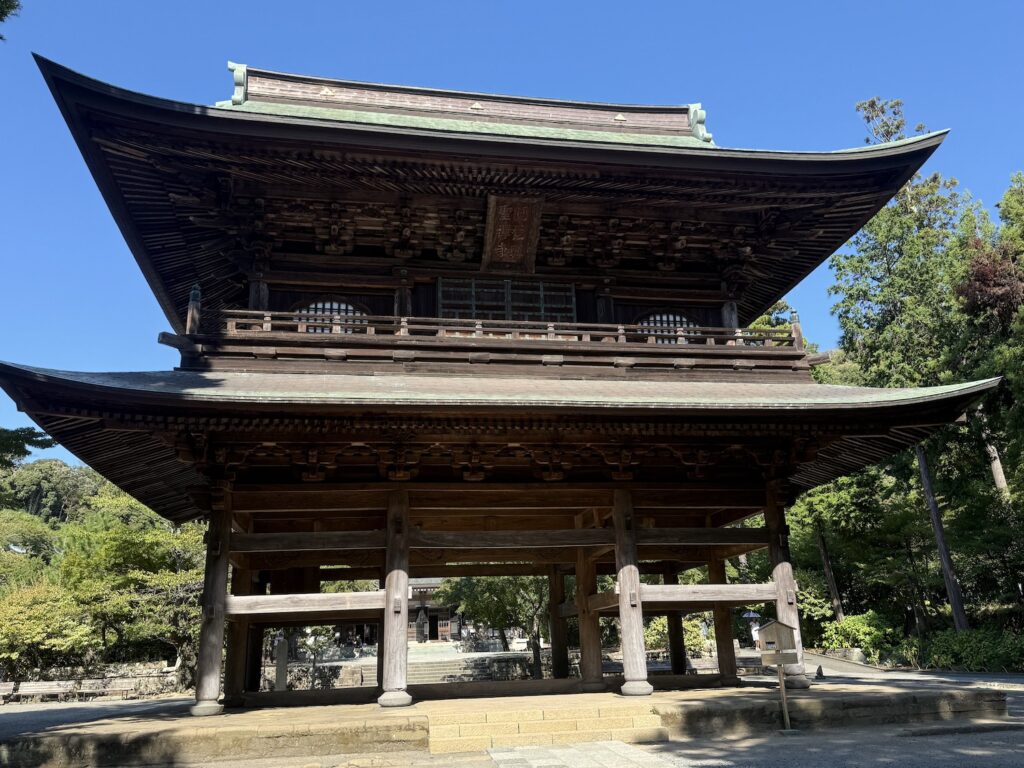
Every autumn, Engakuji Temple holds Homotsu Kazeire, a special exhibition of treasures normally kept away from public view.
The exhibition includes Buddhist paintings, calligraphy, historical documents, and religious objects preserved throughout the temple’s history.
During this period, visitors can also approach the National Treasure Shariden, one of Japan’s most important examples of Zen architecture.
This is a rare chance to discover Kamakura’s medieval Buddhist heritage.
Dates: October 31–November 2, 2026
Hours: Approximately 9:00 AM–4:00 PM (until around 3:30 PM on the final day)
Location: Engakuji Temple
Access: 1 minute on foot from JR Kita-Kamakura Station.
Map: https://maps.app.goo.gl/wtFdTo5RkEo2ks766
Official Engakuji event information
October 31–November 2: Annual Treasure Exhibition at Kenchoji Temple
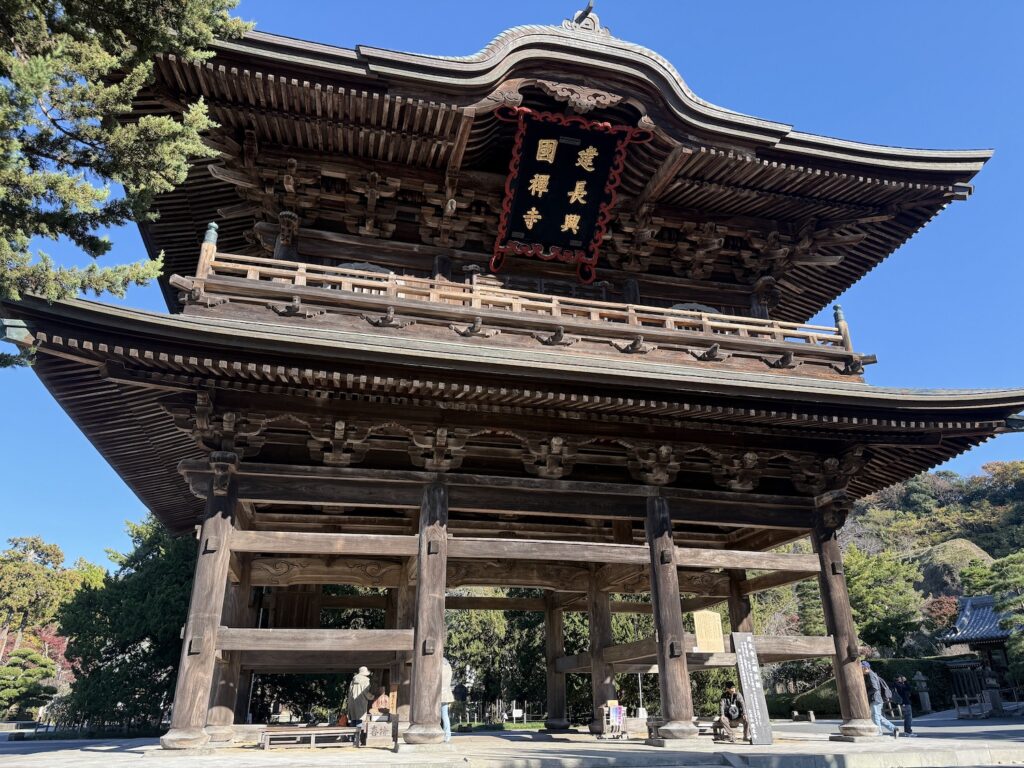
Kenchoji, Kamakura’s oldest Zen training monastery, also opens its collection of treasured cultural properties to the public.
Visitors can see Buddhist artworks, sculptures, and historical objects that are rarely displayed.
Some of these treasures date back to the Kamakura period, offering a fascinating connection to the city’s samurai past.
A special exhibition of treasures from Kinsenji Temple in Chichibu will also be held.
Dates: October 31–November 2, 2026
Hours: From 9:00 AM (last admission to the exhibition at 4:00 PM)
Location: Kenchoji Temple
Access: Approximately 15 minutes on foot from JR Kita-Kamakura Station.
Map: Google Maps – Kenchoji Temple
Official Kenchoji event information
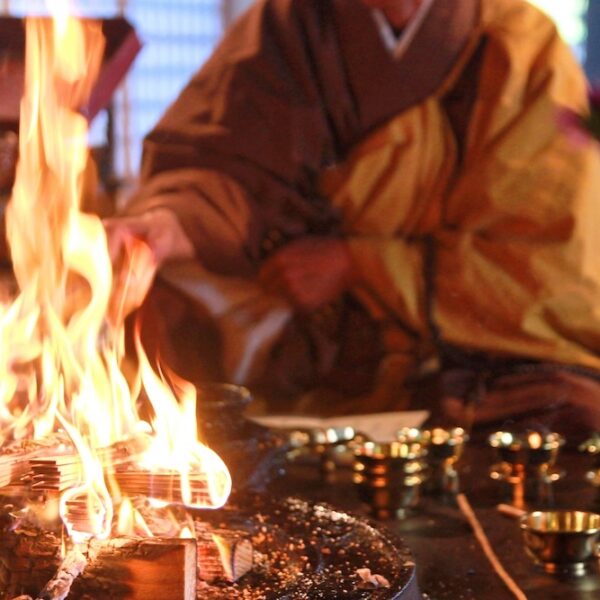
November 8: Maruyama Inari Shrine Fire Festival (Hitaki-sai)
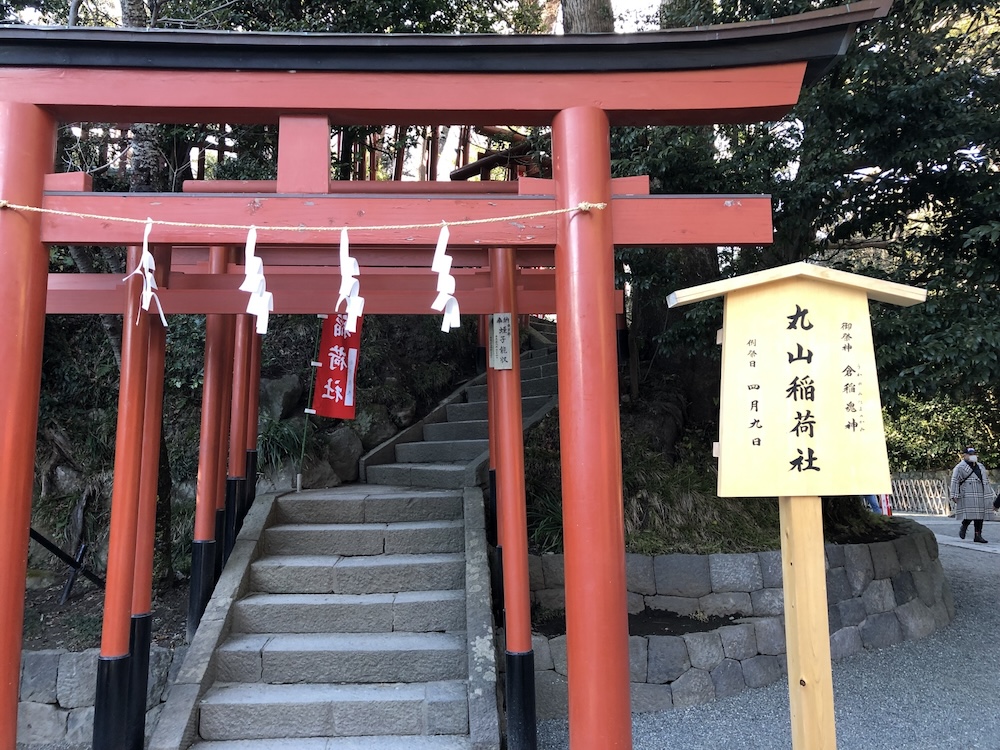
Held at Maruyama Inari Shrine within Tsurugaoka Hachimangu, this traditional Shinto ceremony expresses gratitude for the harvest and prays for good health.
A highlight is Kamakura Kagura, a sacred performance featuring traditional music, dance, and a hot-water purification ritual known as Yudate.
Date: November 8, 2026
Time: From around 2:00 PM
Location: Maruyama Inari Shrine, Tsurugaoka Hachimangu
Access: Approximately 10–15 minutes on foot from Kamakura Station East Exit.
Map: Google Maps – Tsurugaoka Hachimangu
Maruyama Inari Shrine Fire Festival information
November 15: Shichi-Go-San Festival
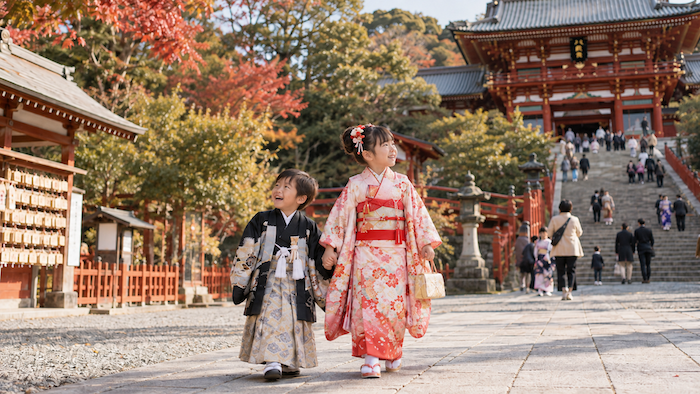
Shichi-Go-San is a traditional Japanese celebration for children, especially those aged three, five, and seven.
Families visit shrines to pray for their children’s health and happiness.
At Tsurugaoka Hachimangu, you may see children dressed in beautiful kimono accompanied by their families.
It is a lovely opportunity to see how Japanese traditions remain part of everyday family life.
When visiting, please respect families who have come for their personal celebrations.
Date: November 15, 2026
Location: Tsurugaoka Hachimangu Shrine
Access: Approximately 10–15 minutes on foot from Kamakura Station East Exit.
Map: Google Maps – Tsurugaoka Hachimangu
November 23: Niinamesai – Harvest Thanksgiving Festival
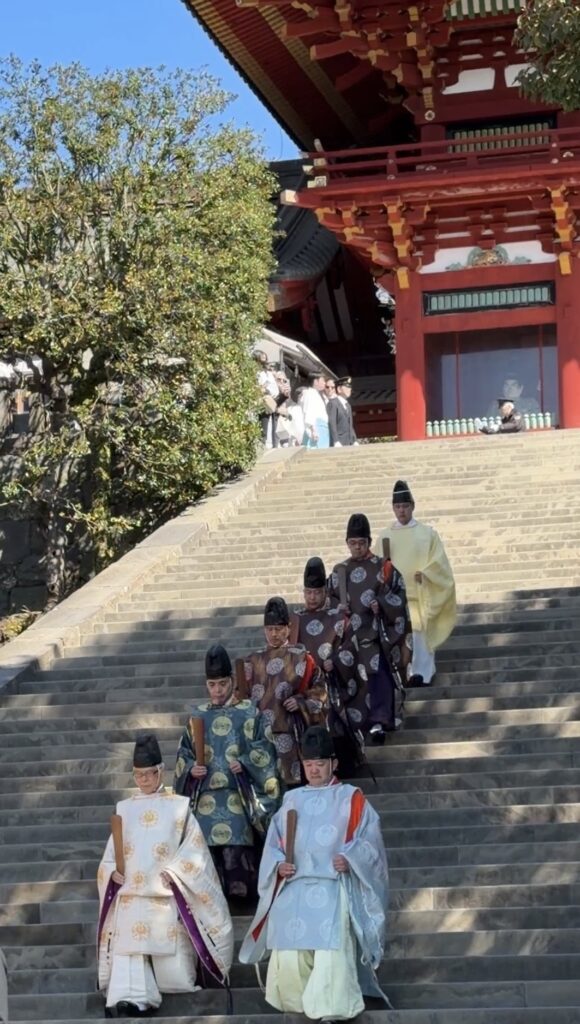
Niinamesai is an important Shinto festival expressing gratitude for the year’s harvest.
Rice and other agricultural products are offered to the deities, reflecting Japan’s traditional connection between nature, agriculture, and spirituality.
The ceremony offers visitors interested in Shinto a glimpse into an important aspect of Japanese culture.
Date: November 23, 2026
Location: Tsurugaoka Hachimangu Shrine
Access: Approximately 10–15 minutes on foot from Kamakura Station East Exit.
Map: Google Maps – Tsurugaoka Hachimangu
October 29–December 6: ZEN NIGHT KAMAKURA at Kenchoji Temple
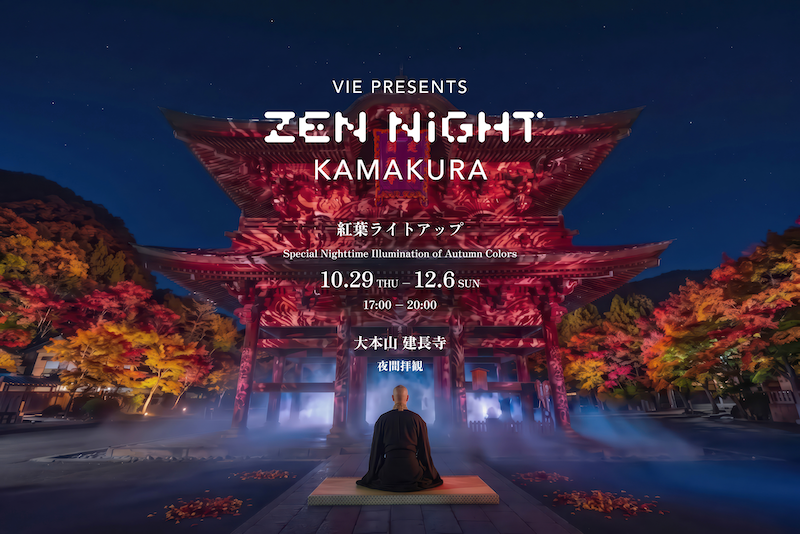
ZEN NIGHT KAMAKURA combines the historic atmosphere of Kenchoji Temple with contemporary music, lighting, and art installations.
Visitors can walk through the temple grounds after dark while experiencing soundscapes inspired by mindfulness and Zen.
Special meditation experiences are also available with designated tickets.
This event offers an unusual combination of traditional Zen culture and modern art.
Dates: October 29–December 6, 2026
Hours: 5:00–8:00 PM (last admission at 7:30 PM)
Location: Kenchoji Temple
Access: Approximately 15 minutes on foot from JR Kita-Kamakura Station.
Map: Google Maps – Kenchoji Temple
Official ZEN NIGHT KAMAKURA website
Other Special Cultural Openings
Several historic sites and museums also offer special exhibitions and limited openings during November.
October 31, November 1 & 3: Special Opening of the Former Watsuji Residence
The Former Watsuji Residence is a traditional Japanese house once associated with the philosopher Tetsuro Watsuji.
Usually closed to visitors, the residence opens for a few days in autumn.
This year’s special exhibition explores traditional Japanese lacquer repair and the beauty of objects viewed in soft light and shadow.
It is an interesting opportunity to appreciate Japanese architecture and aesthetics.
Dates: October 31, November 1 & 3, 2026 (closed November 2)
Hours: 10:00 AM–4:00 PM (until 3:00 PM on November 3)
Location: Former Watsuji Residence, Kamakura Kawakita Film Museum grounds
Access: Approximately 10 minutes on foot from Kamakura Station East Exit.
Map: Google Maps – Former Watsuji Residence
November 14–15: Iwate Traditional Performing Arts Festival
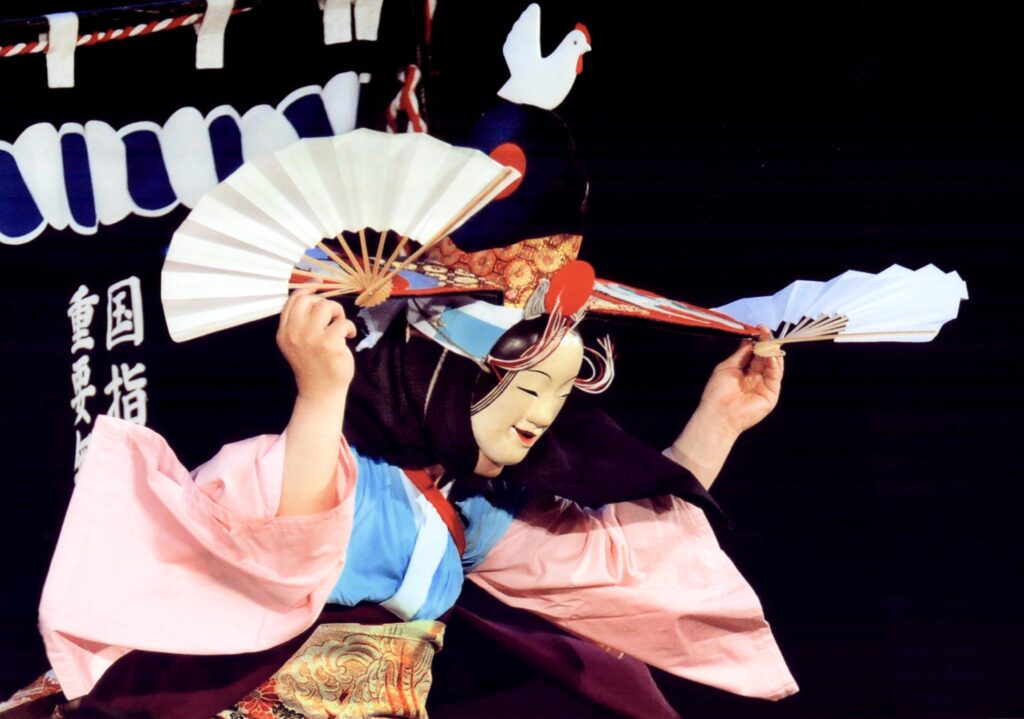
This special event brings traditional performing arts from Iwate Prefecture to Kenchoji Temple.
The main performance is Hayachine Otsugunai Kagura, part of the Hayachine Kagura tradition recognized by UNESCO as Intangible Cultural Heritage.
Visitors can experience traditional sacred dance and music passed down through generations. Regional products from Iwate will also be available.
Please note: Tickets are required to attend the performance. November 14 is sold out, but tickets for November 15 are still available.
Dates: November 14–15, 2026
Hours: November 14, 3:30–6:00 PM / November 15, 10:00 AM–12:30 PM
Location: Kenchoji Temple, Ryuo-den Hall
Access: Approximately 15 minutes on foot from JR Kita-Kamakura Station.
Map: Google Maps – Kenchoji Temple
Tickets: Purchase Tickets for November 15
An additional admission fee to Kenchoji Temple is required.
Official Kamakura Arts Festival information
Until November 28: Kamakura’s Buddhist Nunneries Exhibition
Held at the Kamakura Museum of History and Culture, this exhibition explores the history of Buddhist nunneries and the lives of women in Kamakura’s religious society.
Historical documents and archaeological objects reveal the important roles these temples played throughout different periods of Japanese history.
Dates: September 19–November 28, 2026
Hours: 10:00 AM–4:00 PM (last admission at 3:30 PM)
Location: Kamakura Museum of History and Culture
Access: Approximately 7 minutes on foot from Kamakura Station West Exit.
Note: Closed on Sundays and public holidays.
Map: Google Maps – Kamakura Museum of History and Culture
October 24–December 14: Mandarado Yagura Caves Special Opening
Located in neighboring Zushi, near the historic Nagoe Pass, the Mandarado Yagura Caves are a remarkable collection of medieval burial caves.
More than 150 caves have been identified at the site, offering an unusual glimpse into the burial and memorial practices of medieval Japan.
The site is open to visitors only during limited periods of the year.
Dates: October 24–December 14, 2026 (Saturdays, Sundays, Mondays, and public holidays only)
Hours: 10:00 AM–3:00 PM (last admission at 2:55 PM)
Location: Mandarado Yagura Caves, Nagoe Pass, Zushi
Access: From Kamakura Station East Exit, take a bus toward Midorigaoka-iriguchi and walk approximately 12 minutes from the Midorigaoka-iriguchi bus stop. The final approach includes steep hillside paths.
Map: https://maps.app.goo.gl/KDAbusq9aWp6zqQH7
Official Zushi City information
Special Autumn Illuminations in Kamakura
Several temples offer special evening openings during the autumn leaves season.
Illuminated temple buildings, colorful autumn leaves, and peaceful gardens create a completely different atmosphere from daytime sightseeing.
November 21–December 6: Hasedera Autumn Leaves Illumination
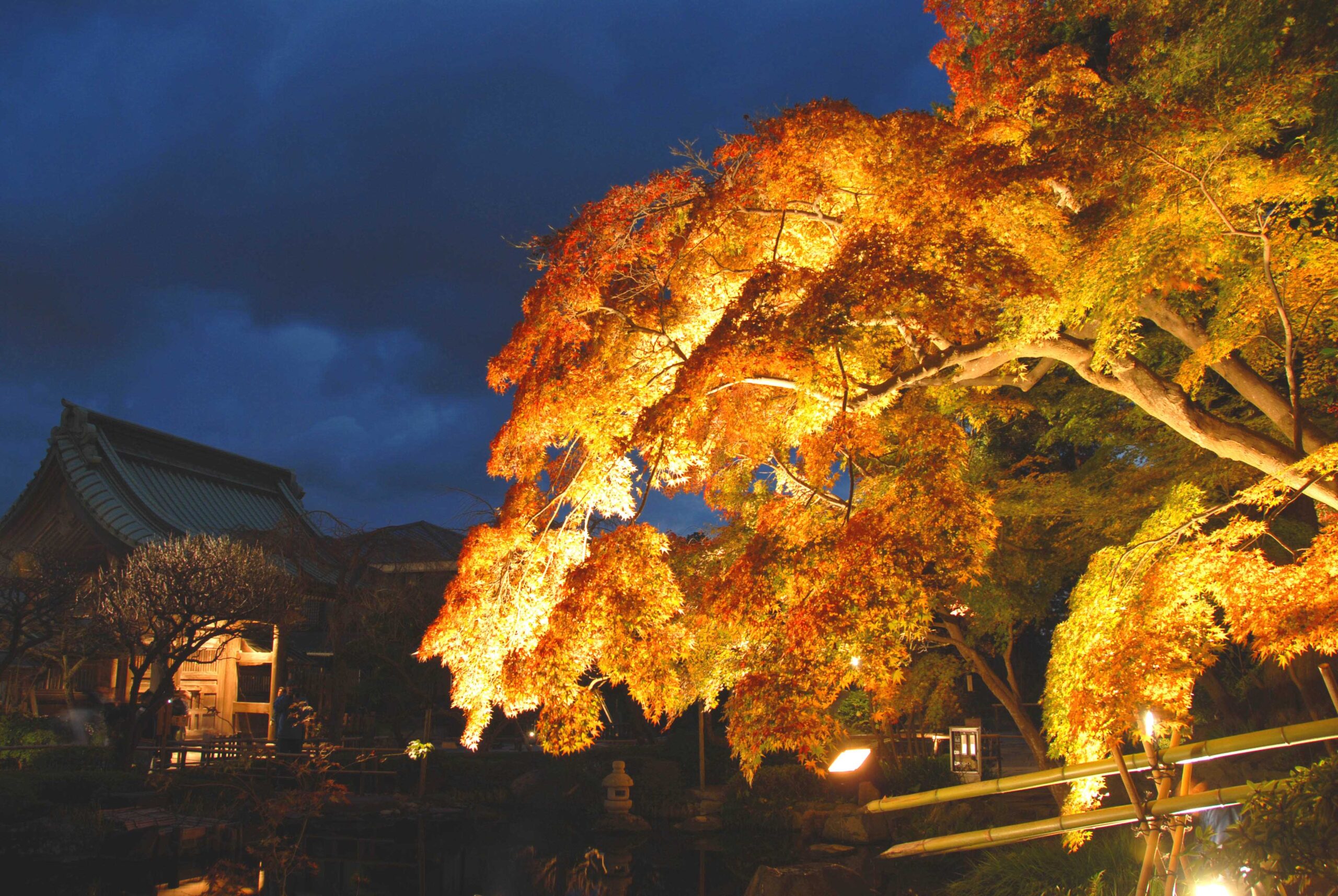
Hasedera Temple is one of Kamakura’s most beautiful places to enjoy autumn leaves.
During the special evening opening, illuminated maple trees and historic temple buildings create a magical atmosphere.
One of the highlights is seeing the autumn colors reflected in the temple’s ponds.
I recommend arriving around sunset, when you can enjoy the transition from natural daylight to the illuminated evening scenery.
Dates: November 21–December 6, 2026
Hours: From sunset until 7:30 PM (last admission at 7:00 PM)
Location: Hasedera Temple
Access: Approximately 5 minutes on foot from Hase Station on the Enoden Line.
Map: https://maps.app.goo.gl/mepnsq4WK7h1SYo39
Official Hasedera event information
November 25–December 10: Kakuonji Temple Autumn Illumination
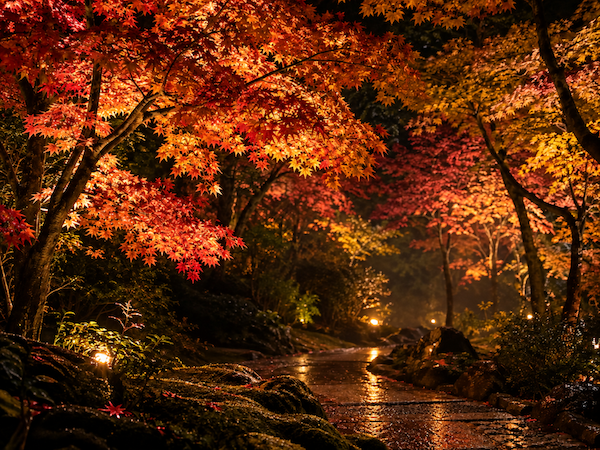
Located in a quiet valley in eastern Kamakura, Kakuonji is known for its peaceful surroundings and beautiful autumn colors.
During the special autumn opening, visitors can enjoy the temple grounds and colorful leaves in the evening.
Kakuonji is particularly recommended for travelers who would like to experience a quieter and more contemplative side of Kamakura.
Dates: November 25–December 10, 2026
Hours: Until 7:00 PM (last admission at 6:40 PM)
Location: Kakuonji Temple
Access: Take a bus from Kamakura Station East Exit to Daitonomiya, then walk approximately 10 minutes.
Map: Google Maps – Kakuonji Temple
Please check the temple’s latest announcements before visiting, as special opening arrangements may change.
Official Kakuonji Temple website
Beautiful Autumn Flowers in Kamakura
Autumn leaves are not the only seasonal highlight in November.
Kamakura’s temple gardens also feature a wonderful variety of flowers, some of which continue blooming as winter approaches.
One of my favorite places to enjoy seasonal flowers is Hasedera Temple, often called the “Temple of Flowers.”
Here are six flowers you may encounter during a November visit.
1. Chrysanthemums (Kiku / Zaru-giku) — Hasedera
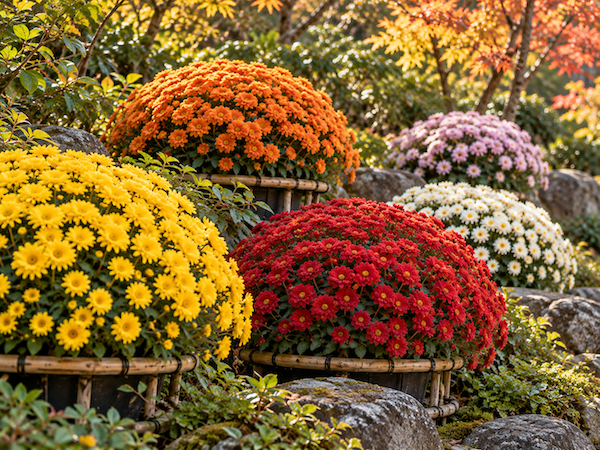
Chrysanthemums are among Japan’s most beloved autumn flowers.
At Hasedera, colorful zaru-giku chrysanthemums form beautiful rounded shapes, bringing bright colors to the temple gardens.
They are particularly attractive in November, sometimes appearing alongside the changing autumn leaves.
2. Leopard Plant (Tsuwabuki) — Hasedera, Myohonji
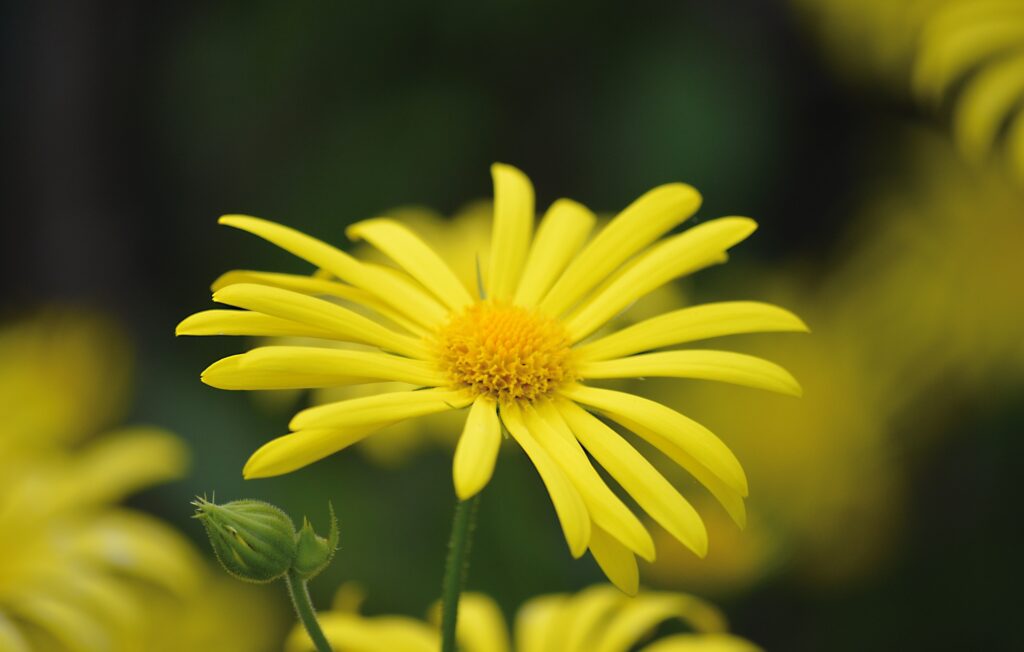
Tsuwabuki produces cheerful yellow flowers above its large, glossy green leaves.
Its bright flowers stand out beautifully against the subdued colors of late autumn.
They usually bloom from late October through November.
3. Sasanqua Camellia (Sazanka) — Hasedera
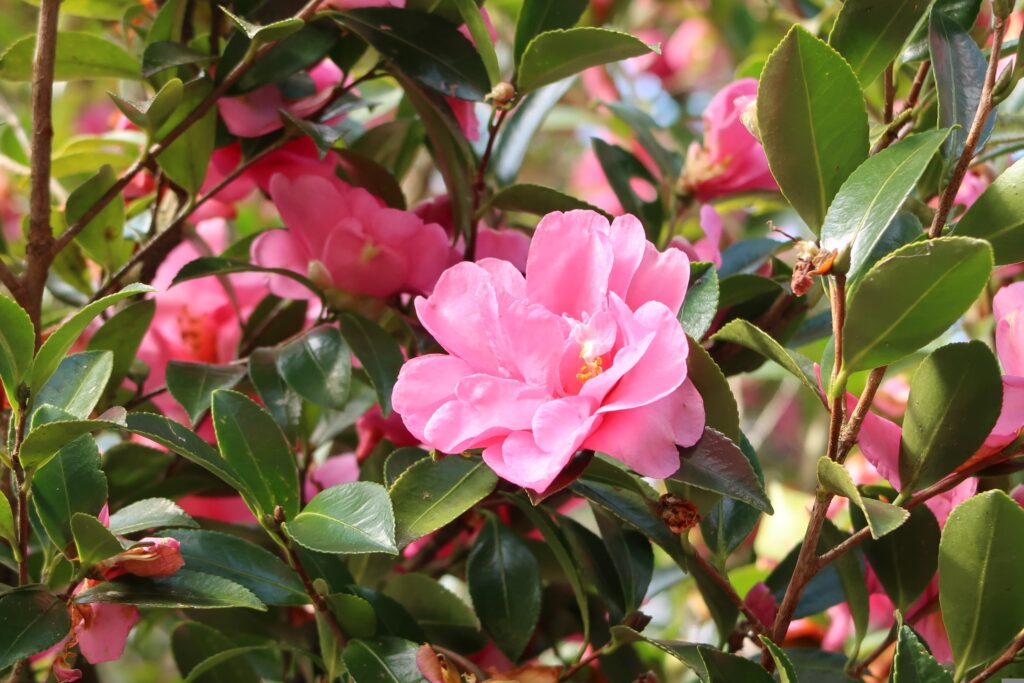
Sasanqua camellias begin flowering in autumn and continue into winter.
Their delicate pink or white flowers bring color to temple gardens as the temperatures become cooler.
They are also a lovely symbol of the transition from autumn to winter.
4. Japanese Anemone (Shumeigiku) — Hasedera, Zuisenji
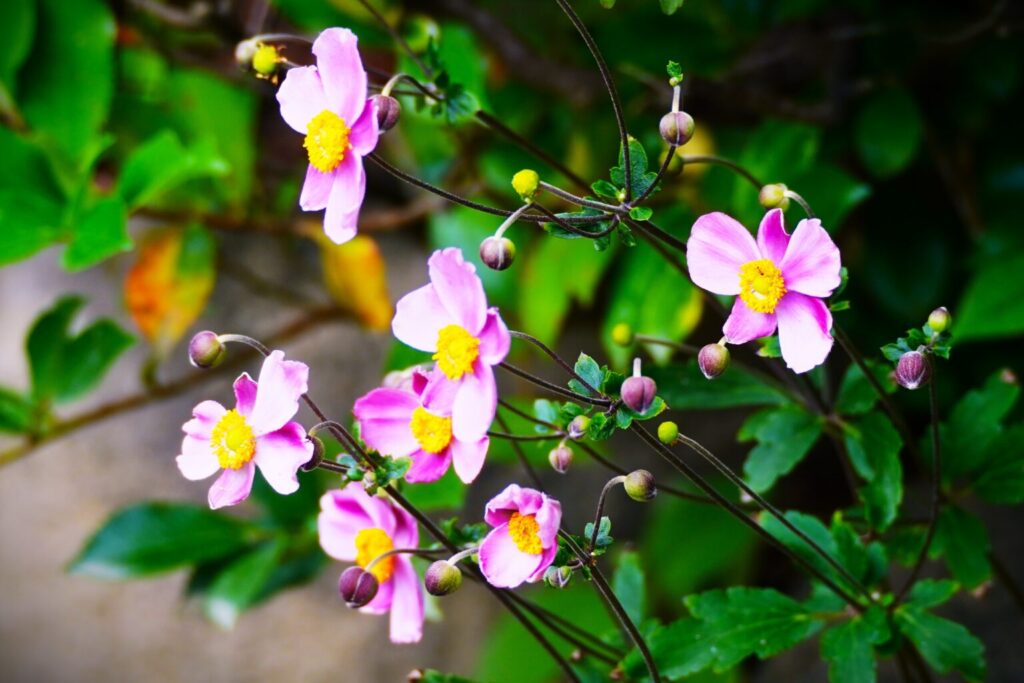
Japanese anemones are known for their graceful white or pink flowers.
They typically bloom from late summer into autumn, with some flowers remaining in early November.
Their soft appearance complements the peaceful atmosphere of Kamakura’s temples.
5. Toad Lily (Hototogisu) — Hasedera, Hokaiji
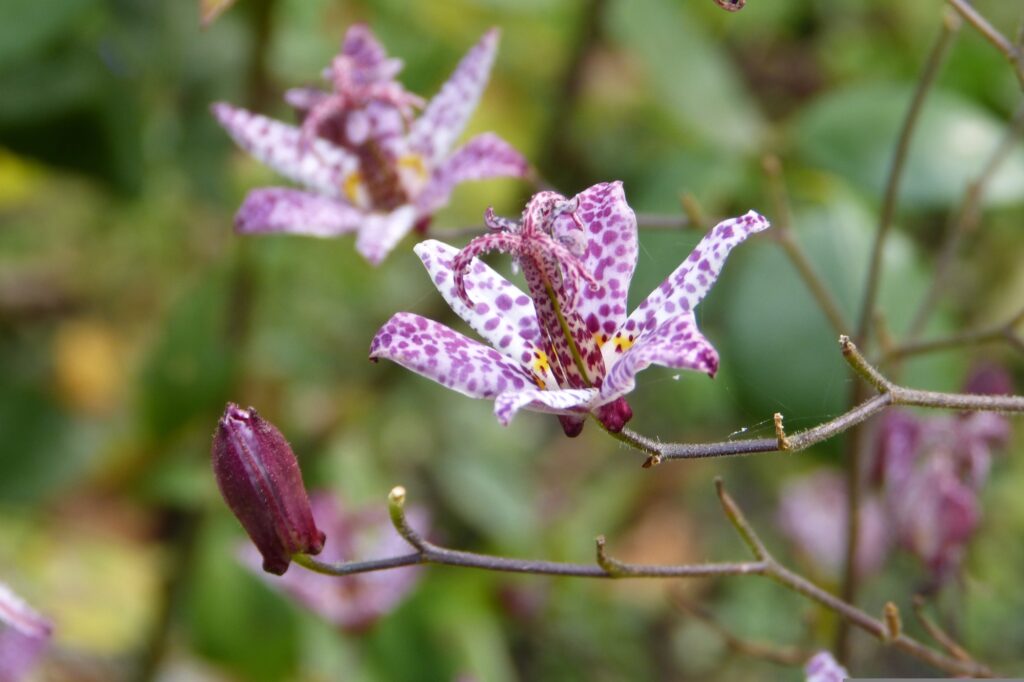
Toad lilies are fascinating autumn flowers with distinctive spotted petals.
Their unusual appearance makes them particularly interesting to observe up close.
They are generally seen in October and may continue blooming into early November.
6. Autumn-Blooming Cherry Blossoms (Kofuku-zakura) — Hasedera
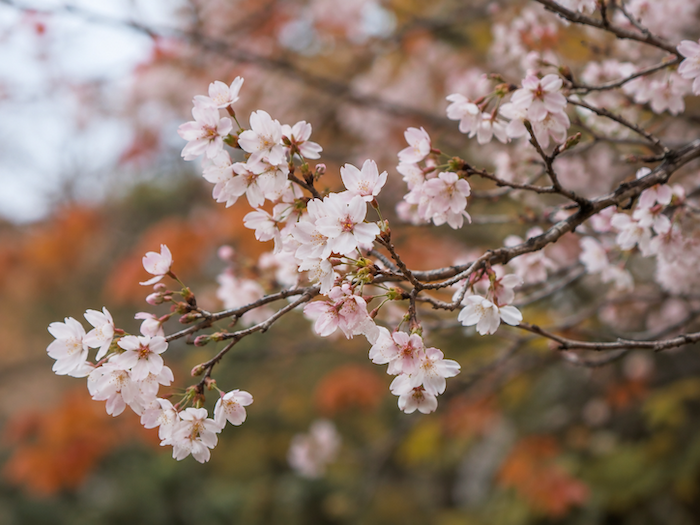
Did you know that cherry blossoms can also bloom in autumn?
While Japan’s famous sakura season is in spring, certain varieties flower during the colder months.
Kofuku-zakura is one of these varieties, producing delicate blossoms from late autumn into winter.
Finding cherry blossoms in November can be a wonderful surprise!
Flowering conditions vary each year. For the latest seasonal updates, check Hasedera’s Flower Guide.
7 Best Places to See Autumn Leaves in Kamakura
If you’re visiting Kamakura from late November to early December, these are seven places I recommend for enjoying the autumn colors.
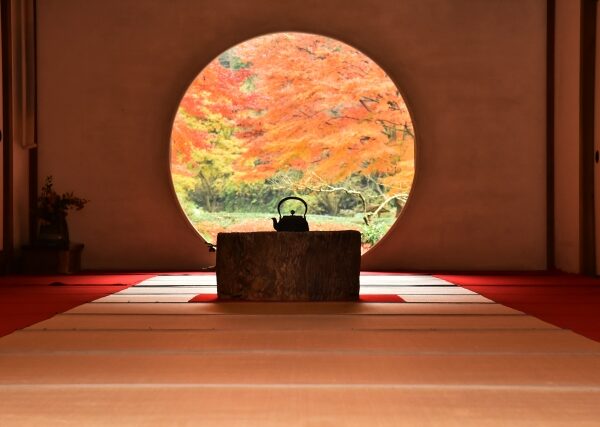
1. Meigetsuin Temple — The Iconic Round Window
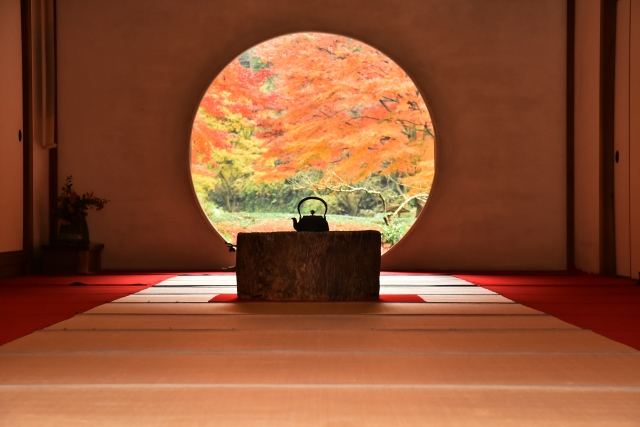
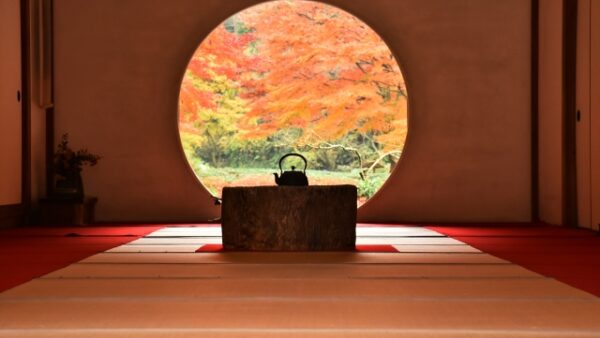
Meigetsuin is famous for its beautiful circular window, often known as the Window of Enlightenment.
The window frames the garden beyond, creating a view that resembles a traditional Japanese painting.
In autumn, colorful leaves add another layer of beauty to this remarkable scene.
The inner garden is also specially opened during the autumn leaves season, offering additional views of the garden’s seasonal beauty.
Meigetsuin is particularly popular during autumn, so visiting earlier in the day is a good idea.
Best time: Late November–early December
Location: Meigetsuin Temple
Access: Approximately 10 minutes on foot from JR Kita-Kamakura Station.
Map: https://maps.app.goo.gl/nYDSjDsrbVefDXQNA
2. Engakuji Temple — Autumn Colors at a Historic Zen Temple
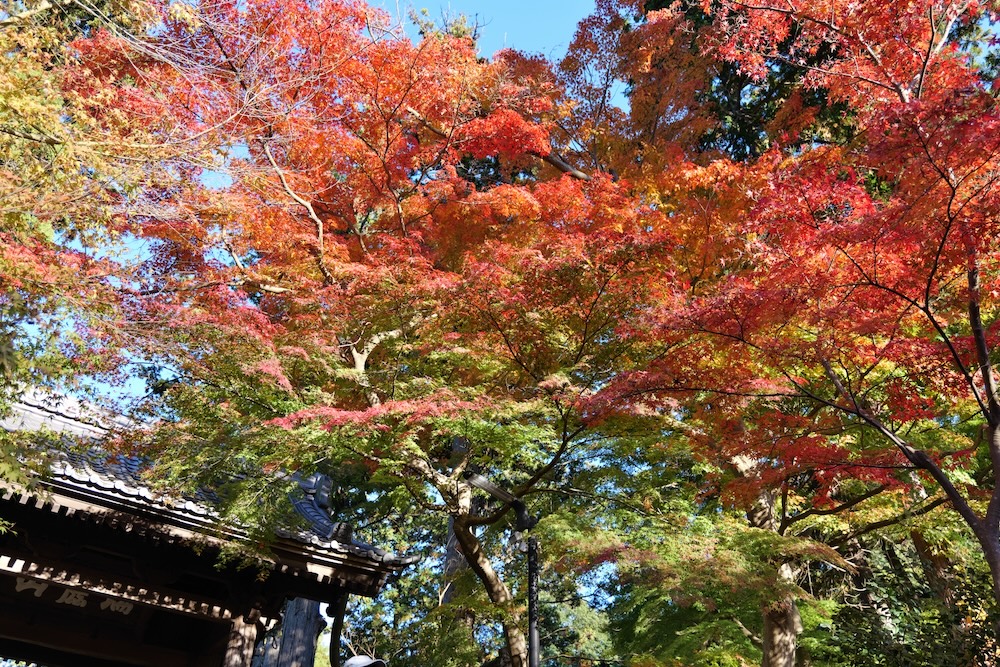
Engakuji is one of Kamakura’s most important Zen temples.
The temple’s entrance, stone steps, historic buildings, and surrounding trees create beautiful autumn scenery.
The area around the entrance gate is especially impressive when the leaves turn red and orange.
Walking through its grounds is also an opportunity to discover Kamakura’s connection to Zen Buddhism and samurai history.
It is one of my favorite places to begin an autumn walk in Kita-Kamakura.
Best time: Late November–early December
Location: Engakuji Temple
Access: 1 minute on foot from JR Kita-Kamakura Station.
Map: https://maps.app.goo.gl/wtFdTo5RkEo2ks766
3. Kenchoji Temple — Autumn Leaves and Samurai History
Founded in 1253, Kenchoji is Kamakura’s oldest Zen training monastery.
Its grand Sanmon Gate, historic buildings, and peaceful gardens are impressive throughout the year.
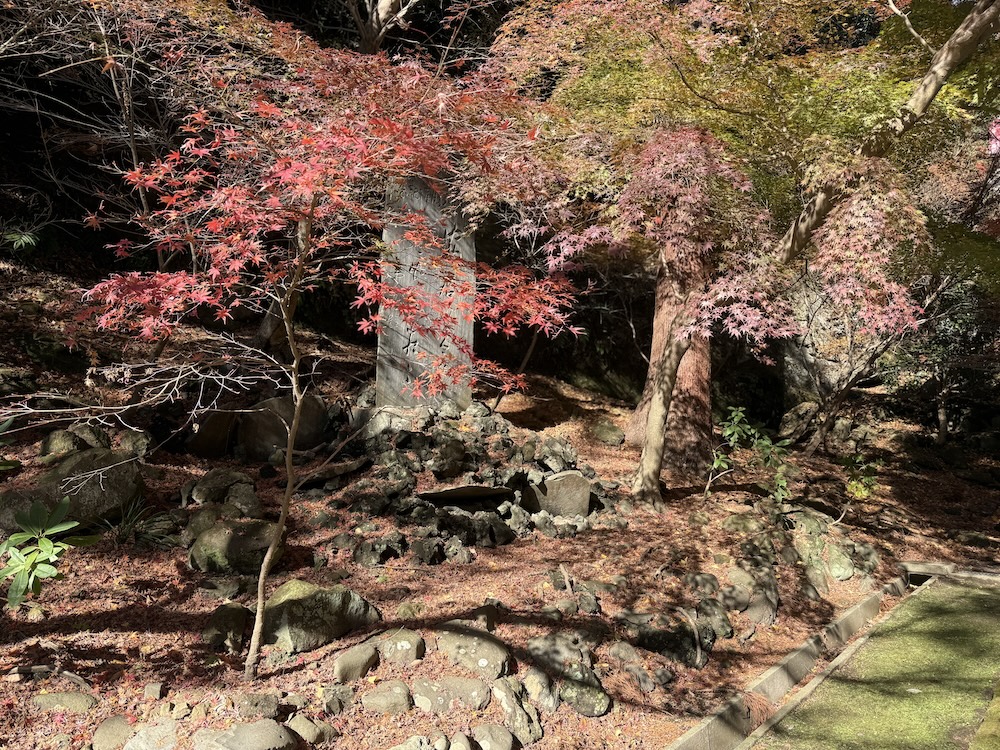
During autumn, I especially recommend the path leading toward Hansobo Shrine, where colorful leaves complement the surrounding hills.
The area offers a wonderful combination of nature, Zen culture, and history.
Best time: Late November–early December
Location: Kenchoji Temple
Access: Approximately 15 minutes on foot from JR Kita-Kamakura Station.
Map: Google Maps – Kenchoji Temple
4. Ichijo Ekan Sanso — An Elegant Japanese Garden
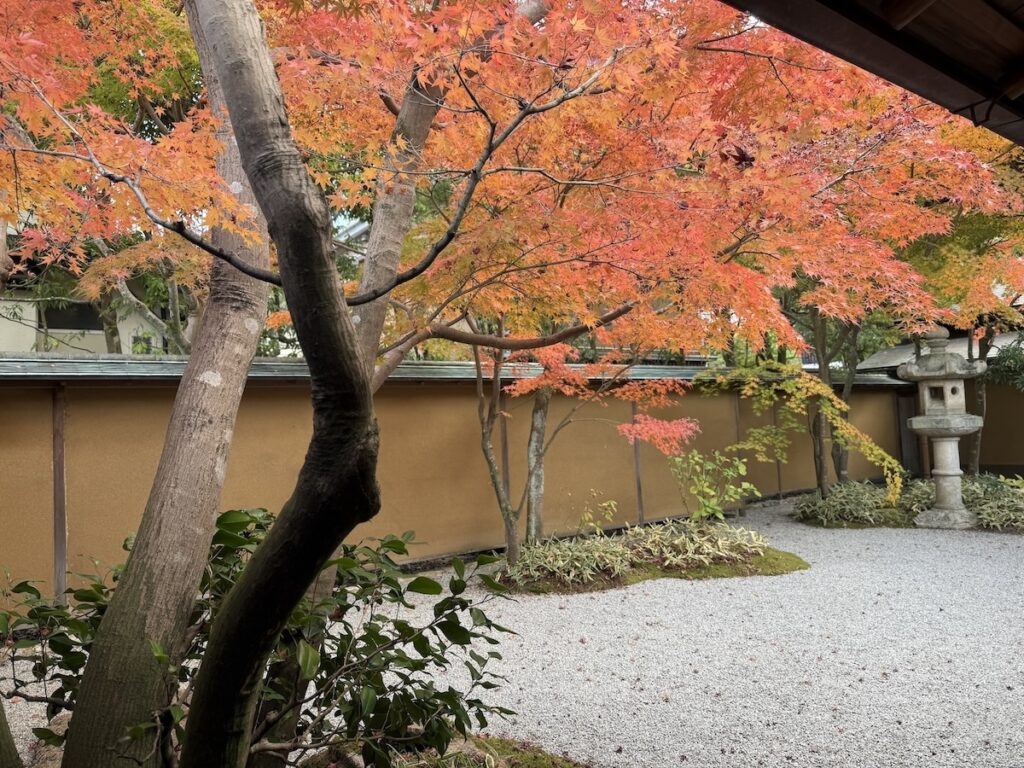
Ichijo Ekan Sanso is one of Kamakura’s most beautiful historic gardens.
Originally built in Kyoto in the early Edo period and later relocated to Kamakura, this nationally designated Important Cultural Property offers a different atmosphere from the city’s temples and shrines.
In autumn, colorful maple leaves, carefully maintained moss, traditional architecture, and the nearby river create a peaceful landscape.
Visitors can also enjoy matcha and seasonal Japanese sweets at the garden’s tea salon.
Special Autumn Opening in 2026
The garden will be open every day from October 31 to December 13, 2026, without regular closing days.
Garden visits are available during the opening period. Interior tours of the historic residence are offered on selected dates and require advance reservations.
Dates: October 31–December 13, 2026
Hours: Generally 10:00 AM–4:00 PM (last admission at 3:30 PM; check the current schedule)
Location: Ichijo Ekan Sanso
Access: Take a bus from Kamakura Station East Exit (Bus Stop No. 4) to Jomyoji, then walk approximately 2 minutes.
Map: Google Maps – Ichijo Ekan Sanso
Please note that preschool-aged children are not permitted to enter, and the facilities are not fully barrier-free.
Official Ichijo Ekan Sanso website
5. Tsurugaoka Hachimangu Shrine — Autumn Colors at Kamakura’s Symbolic Shrine
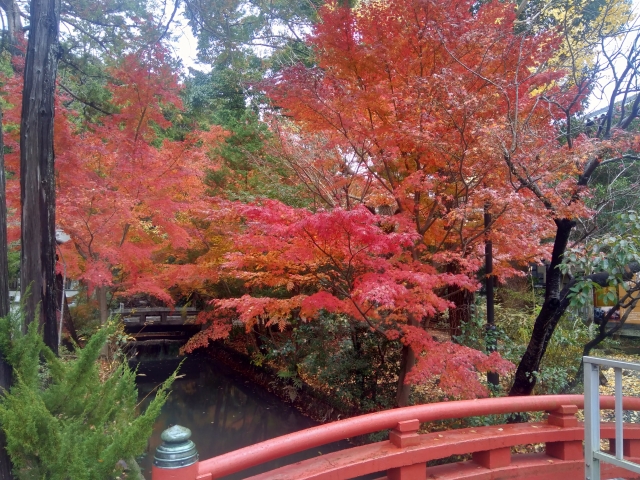
Tsurugaoka Hachimangu is one of Kamakura’s most important landmarks, with deep connections to the city’s samurai history.
During autumn, the shrine grounds become decorated with shades of yellow, orange, and red.
The scenery around the Genpei Ponds is particularly beautiful, while the shrine’s vermilion architecture provides a lovely contrast to the changing leaves.
November is also an excellent opportunity to experience traditional Shinto festivals held at the shrine.
Best time: Late November–early December
Location: Tsurugaoka Hachimangu Shrine
Access: Approximately 10–15 minutes on foot from Kamakura Station East Exit.
Map: Google Maps – Tsurugaoka Hachimangu
6. Myohonji Temple — A Peaceful Autumn Retreat
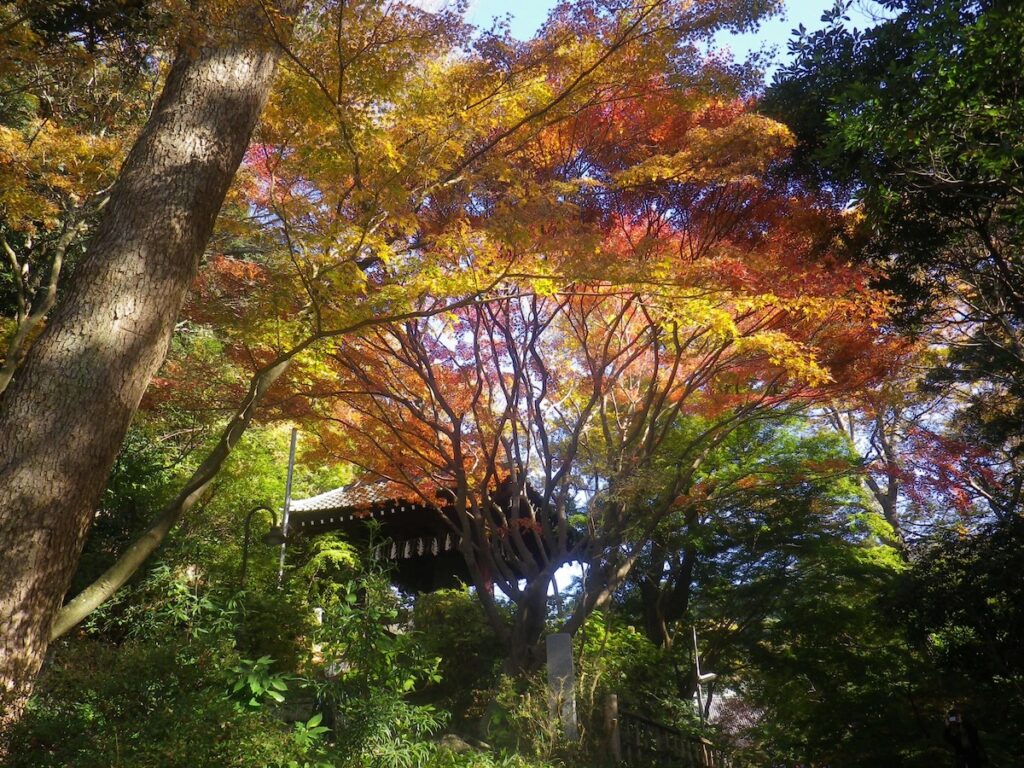
Myohonji is located within walking distance of Kamakura Station, yet its spacious grounds have a surprisingly peaceful atmosphere.
Surrounded by tall trees, the temple is known for its impressive Soshido Hall and historic wooden structures.
In late autumn, colorful leaves create a beautiful contrast with the dark wooden architecture.
If you prefer a quieter temple experience away from the busiest sightseeing streets, Myohonji is a wonderful choice.
Best time: Late November–December
Location: Myohonji Temple
Access: Approximately 10 minutes on foot from Kamakura Station East Exit.
Map: Google Maps – Myohonji Temple
7. Kakuonji Temple — A Hidden Autumn Gem
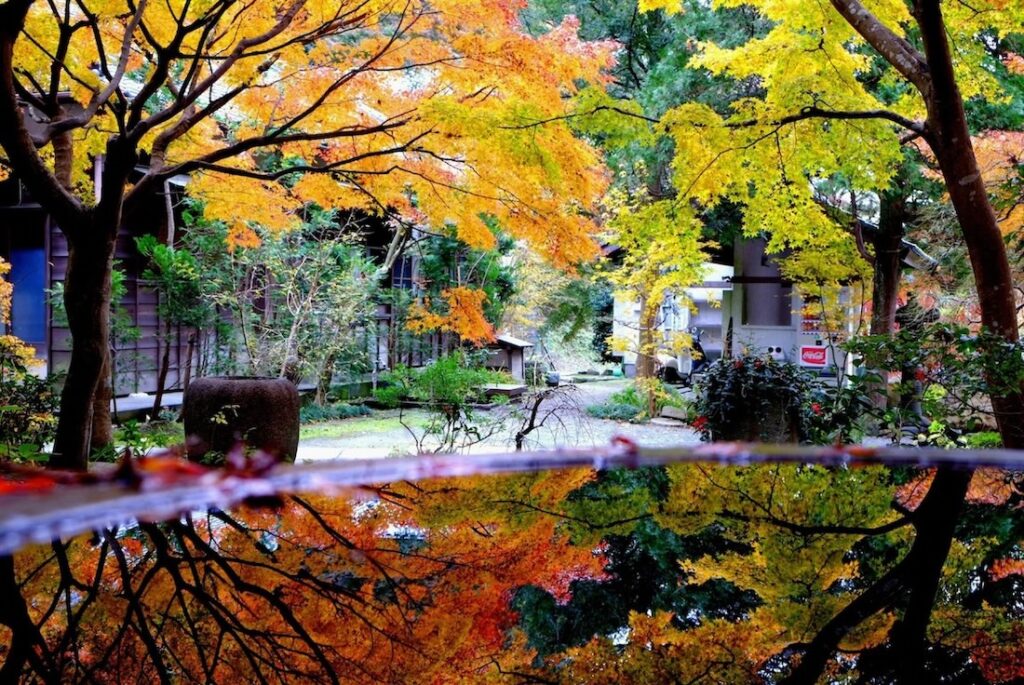
Kakuonji is located in a wooded valley in eastern Kamakura.
Its historic buildings, Buddhist statues, moss, and surrounding trees create an atmosphere that feels far removed from the busy city.
The autumn colors are particularly beautiful from late November into December.
For visitors interested in Kamakura’s medieval history and spiritual traditions, this temple offers a memorable experience.
Best time: Late November–December
Location: Kakuonji Temple
Access: Take a bus from Kamakura Station East Exit to Daitonomiya, then walk approximately 10 minutes.
Map: Google Maps – Kakuonji Temple
Please note that photography is restricted beyond the temple’s reception area. Always follow the temple’s guidance.
8. Zuisenji Temple — Late Autumn Colors in a Peaceful Valley
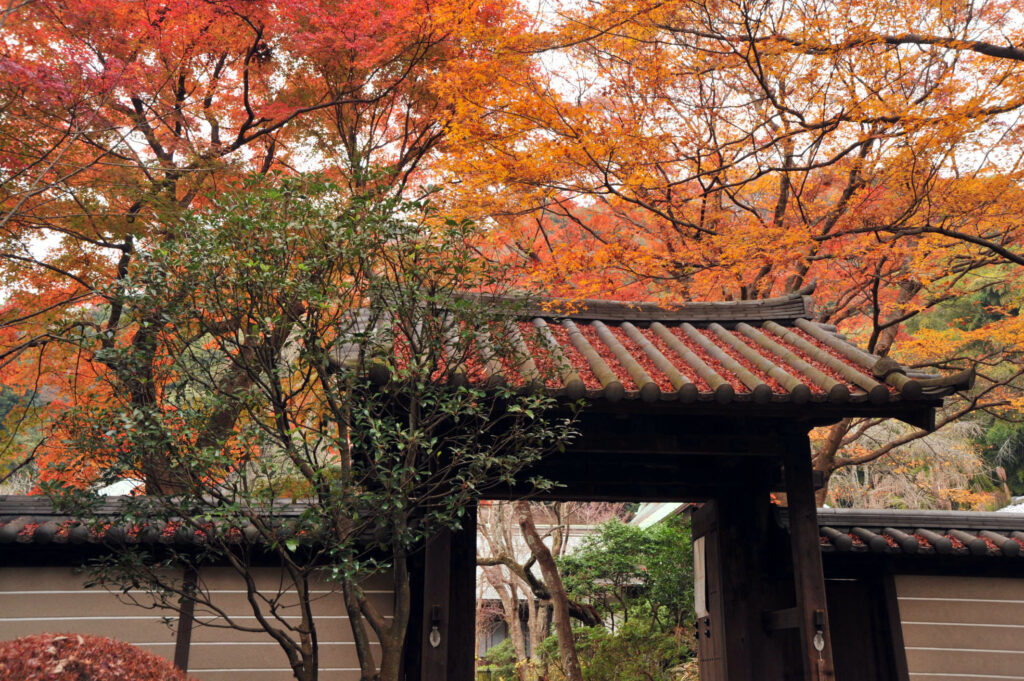
Zuisenji is a peaceful Zen temple founded in 1327 by the monk Muso Soseki, known for its unique rock garden carved into natural bedrock.
Surrounded by wooded hills, the temple offers beautiful autumn scenery.
Autumn leaves turn color relatively late here, making Zuisenji one of my recommended places to enjoy the last colors of autumn in December.
Best time: Early–mid December
Location: Zuisenji Temple
Access: Take a bus from Kamakura Station East Exit (Bus Stop No. 5) to Daitonomiya, then walk approximately 15 minutes.
Map: https://maps.app.goo.gl/kAJ4ESuKy4w2SDUK8
Tips for Visiting Kamakura in November
When Is the Best Time to See Autumn Leaves?
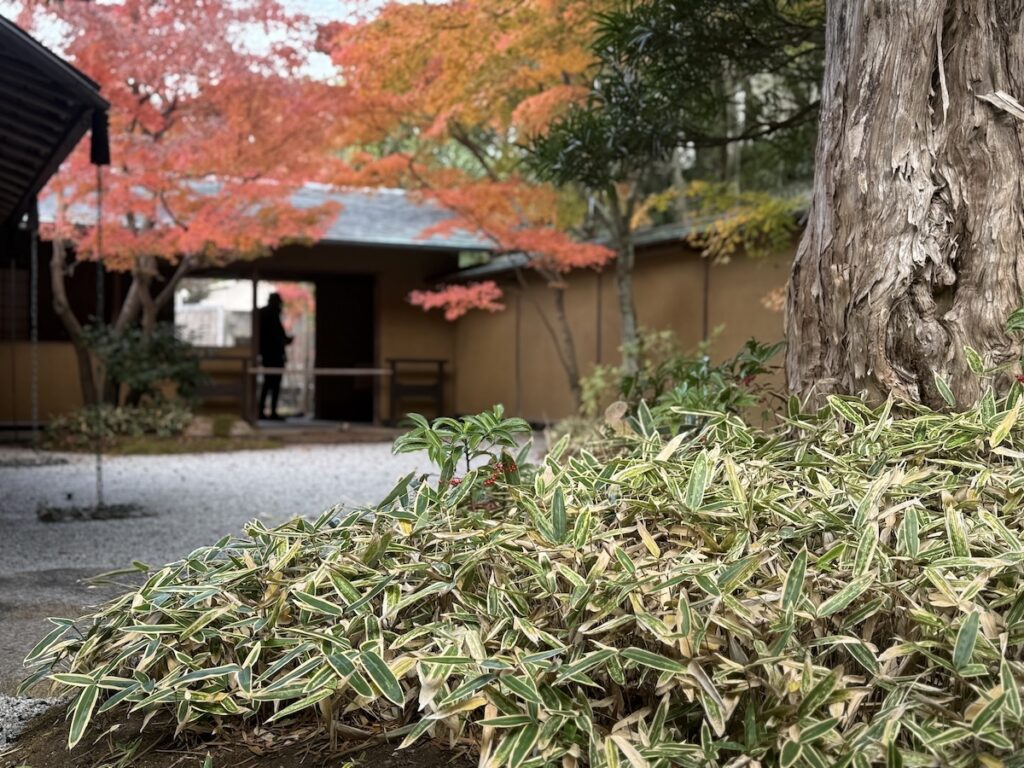
If autumn colors are your main priority, I generally recommend visiting from late November to early December.
However, the exact timing depends on the weather and varies from one location to another.
Early November is still a wonderful time for seasonal flowers, cultural events, and enjoying Kamakura before the busiest autumn leaves period.
What Should You Wear?
November is generally comfortable for walking, but mornings and evenings can feel chilly.
I recommend wearing comfortable walking shoes and bringing a light jacket or an extra layer, especially if you’re planning to enjoy evening illuminations.
Some historic temples have stone steps, slopes, and uneven paths.
A Local Tip: Don’t Rush from Temple to Temple
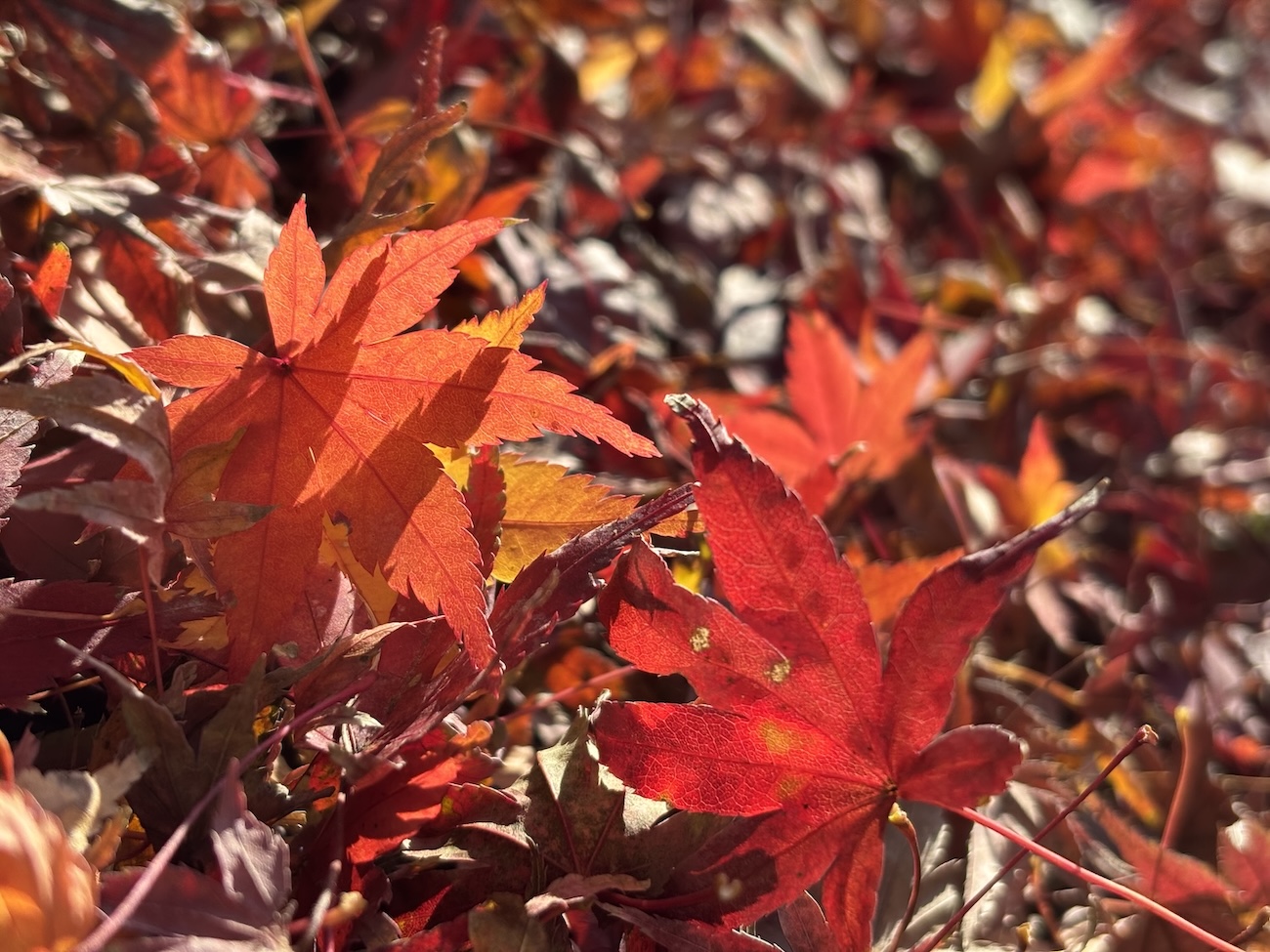
Kamakura is a city best explored at a relaxed pace.
Instead of trying to visit as many places as possible, choose a few locations that interest you most.
Take time to enjoy the temple gardens, discover a small local café, and appreciate the quiet streets between famous landmarks.
Sometimes, the most memorable moments happen along the way.
Explore Autumn Kamakura with a Local Guide
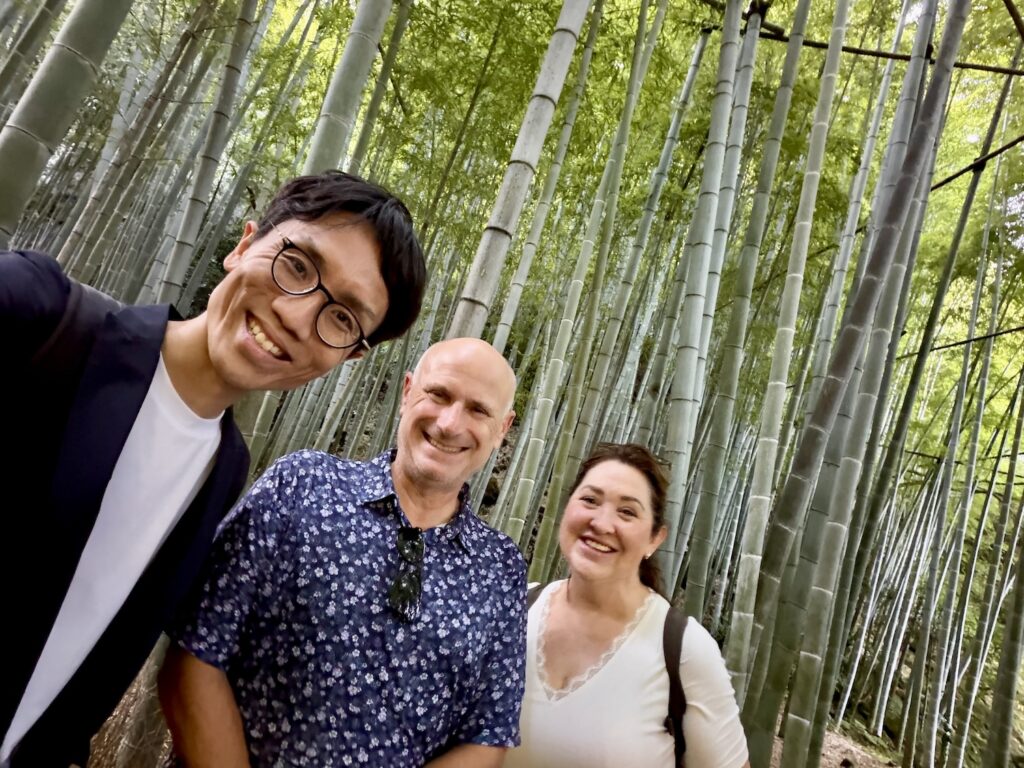
Autumn in Kamakura is beautiful, but knowing where to go and when to visit can make your experience even more special.
I’m Taki, a Kamakura-born private guide and Head of Kamakura Experience.
Having grown up here, I love sharing the history, traditions, and quieter corners of my hometown.
In autumn, I especially enjoy guiding guests through colorful temple gardens, peaceful paths, and places connected to Kamakura’s samurai history.
Each season brings something different, and no two tours have to be the same.
Our private tours are fully customizable. Depending on when you visit, I’ll help you choose a route that brings together beautiful seasonal scenery, fascinating history, and the places that interest you most.
Rather than rushing from one famous spot to another, I’d love to help you experience Kamakura at a comfortable pace, with time to appreciate what makes each place special.
I can also meet you at your Tokyo hotel and accompany you to Kamakura by train, making the journey easier and more comfortable.
Let’s create a memorable autumn day in Kamakura together!
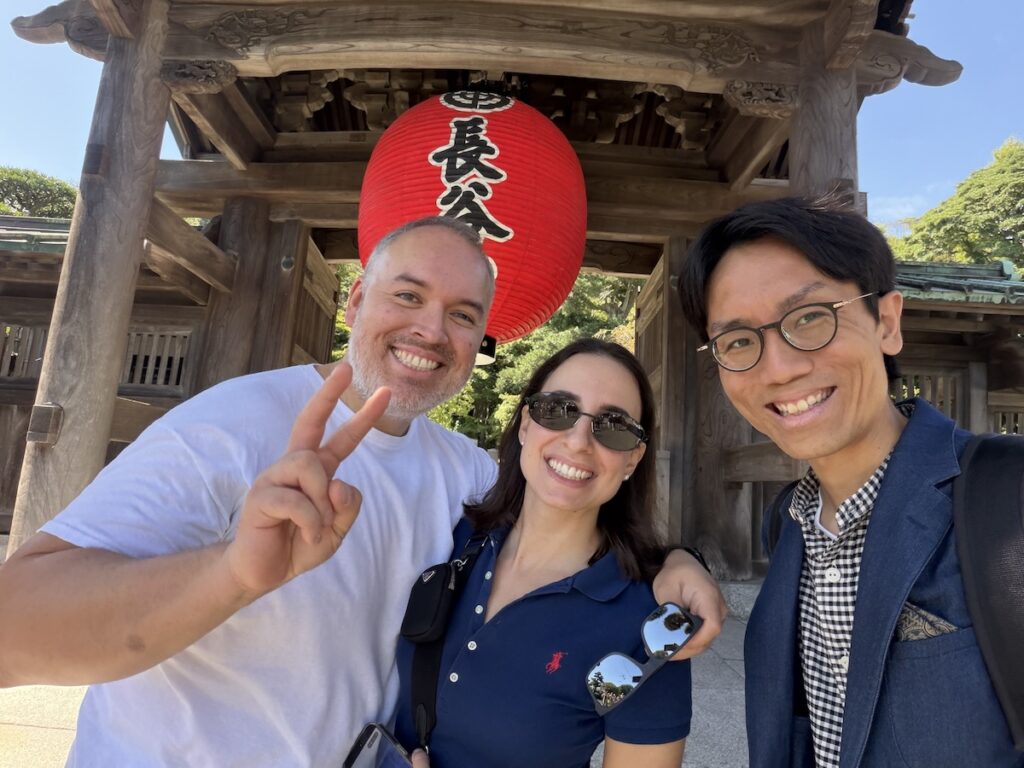
Explore Our 3-Hour Private Kamakura Tour
Explore Our 4-Hour Private Kamakura Tour
Explore Our 6-Hour Private Kamakura Tour
If you have any questions or places you would especially like to visit, please feel free to contact me.
I look forward to welcoming you to Kamakura!
Please note: Event schedules, special openings, and seasonal conditions may change. We recommend checking official websites before visiting.
Author & Local Guide: Takumi Ikeda

Takumi Ikeda is the Head of Kamakura Experience and a Kamakura-born private guide.
With professional hospitality experience aboard an international cruise ship and at Michelin-rated ryokans, he shares stories, insights, and practical tips shaped by his deep roots in the city.
Discover more on Instagram: https://www.instagram.com/kamakura_experience
LinkedIn: https://www.linkedin.com/in/takumi-ikeda-9933aa131/