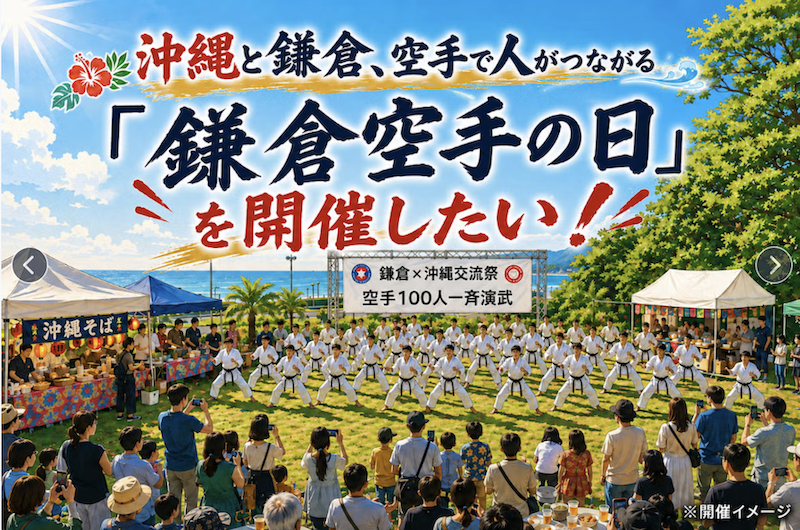
This autumn, Kamakura will host Kamakura Karate Day 2026, a special cultural event celebrating the historical and spiritual connections between Okinawa, the birthplace of karate, and Kamakura, one of Japan’s most important centers of Zen Buddhism.
Two special events will take place in Kamakura: a ceremonial karate performance at the historic Engaku-ji Temple on October 25, 2026, followed by the Okinawa × Kamakura Cultural Exchange Festival on November 8, 2026.
For karate practitioners from around the world, there is also a particularly rare opportunity: a limited number of participants are being invited to perform their own kata at Engaku-ji as part of the ceremonial performance.
Connecting Okinawa, Kamakura, Karate and Zen
Karate originated in Okinawa and is now practiced by millions of people around the world.
Kamakura Karate Day was created to rediscover and celebrate the connections between Okinawa and Kamakura through karate, while passing this cultural heritage on to future generations.
Kamakura also has an important connection with the history of modern karate.
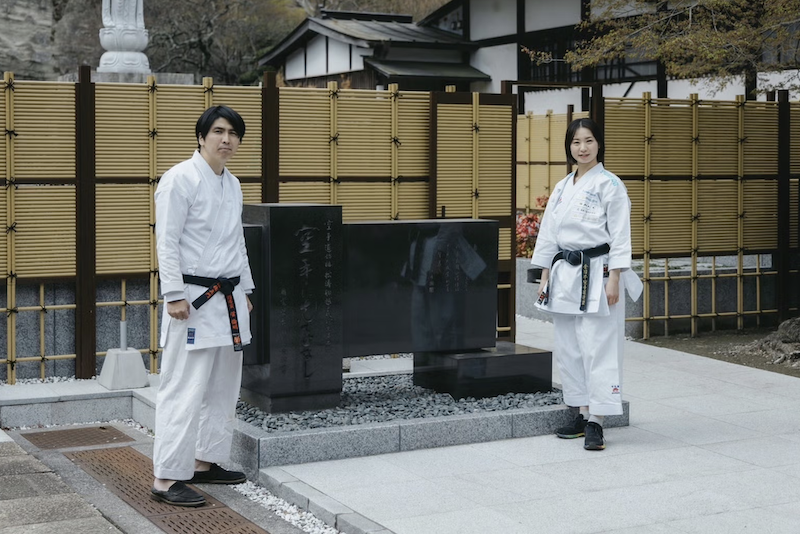
Gichin Funakoshi, one of the most influential figures in the development and spread of modern karate in mainland Japan, practiced Zen at Engaku-ji in Kamakura.
Today, a monument dedicated to Funakoshi stands within the temple grounds, bearing the well-known words:
“Karate ni sente nashi(空手に先手なし)” — “There is no first strike in karate” There is a saying in karate: ‘You never attack first.’ It means karate is for self-defense, not for starting a fight.
Against this historical backdrop, Kamakura Karate Day will bring karate and Zen together once again in the grounds of Engaku-ji.
October 25: Ceremonial Karate Performance at Engaku-ji Temple
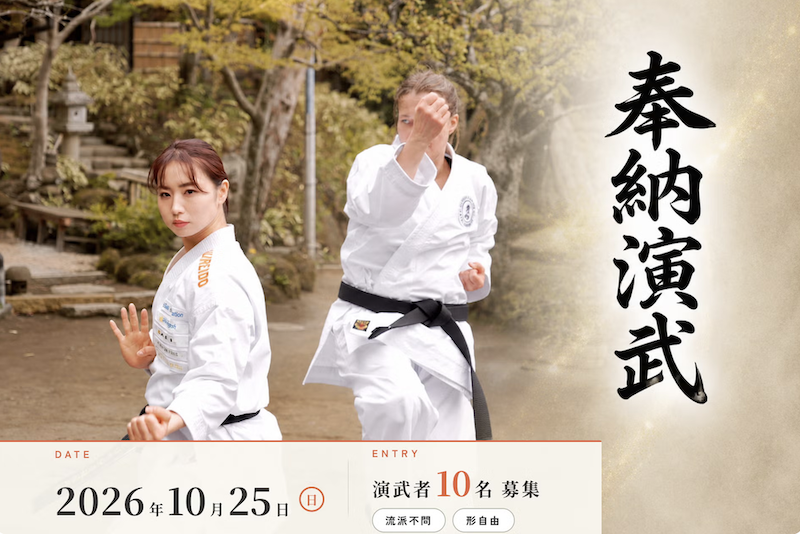
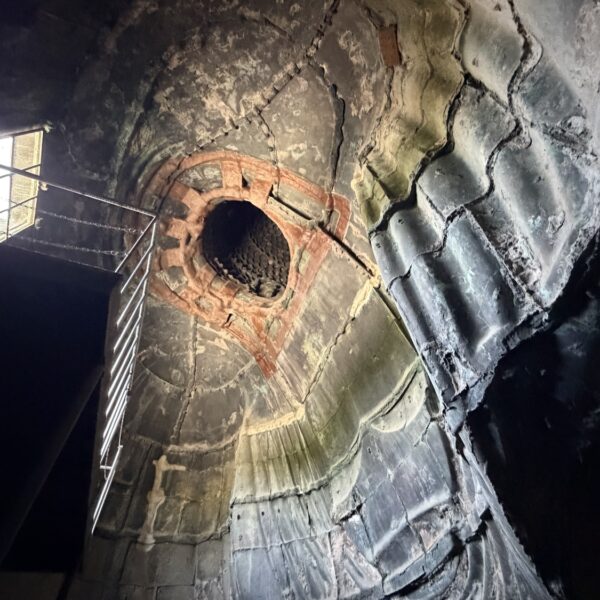
On October 25, 2026 — Karate Day in Okinawa — a special Hōnō Enbu (奉納演武), or ceremonial martial arts performance, will be held at Engaku-ji Temple in Kita-Kamakura.
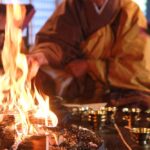
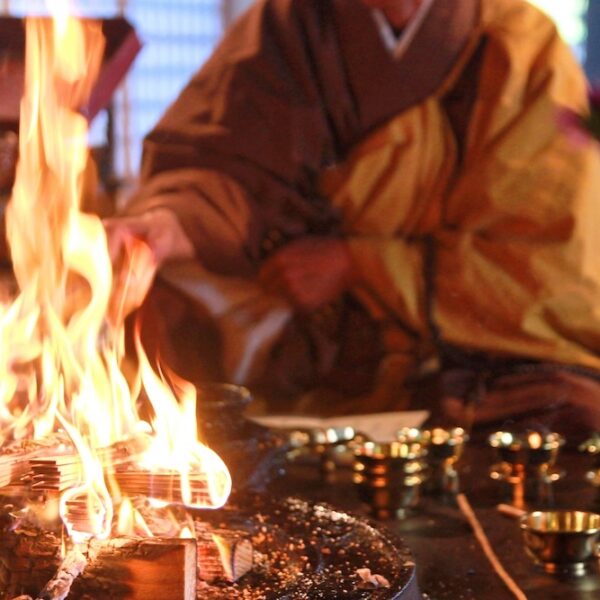
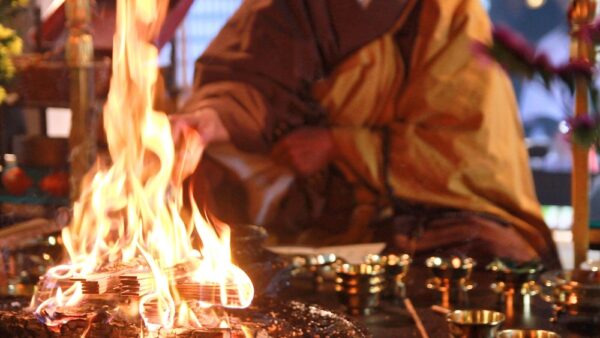
The event will begin with Buddhist chanting and prayers for peace by Engaku-ji monks, followed by karate performances within the temple grounds.
A number of distinguished karate practitioners will take part as special guests, including athletes and instructors who have competed and achieved success at Japanese, Asian and world championship level.
The performance brings together two traditions with a shared emphasis on discipline, respect and peace: the spirit of Zen in Kamakura and the martial art of karate born in Okinawa.
A Rare Opportunity to Perform Karate at Engaku-ji
The organizers are also inviting a limited number of karate practitioners to participate in the ceremonial performance themselves.
Only 10 places are available.
Through the official Kamakura Karate Day crowdfunding campaign on CAMPFIRE, supporters who select the ¥100,000 Hōnō Enbu participation reward will receive the opportunity to perform their own kata at Engaku-ji on October 25.
Participants will:
- Perform kata within the grounds of Engaku-ji Temple
- Perform for approximately five minutes per person
- Wear a karate gi
- Take part in the ceremonial performance alongside invited karate practitioners
Travel and accommodation expenses are not included.
For karate practitioners from around the world, this is a rare opportunity not only to watch karate, but to practice and perform it themselves inside a historic Zen temple in Kamakura.
Participation is limited to 10 people and is available on a first-come, first-served basis through the crowdfunding campaign.
For details and to apply for the Hōnō Enbu participation opportunity, please visit the official Kamakura Karate Day project on CAMPFIRE.
November 8: Okinawa × Kamakura Cultural Exchange Festival
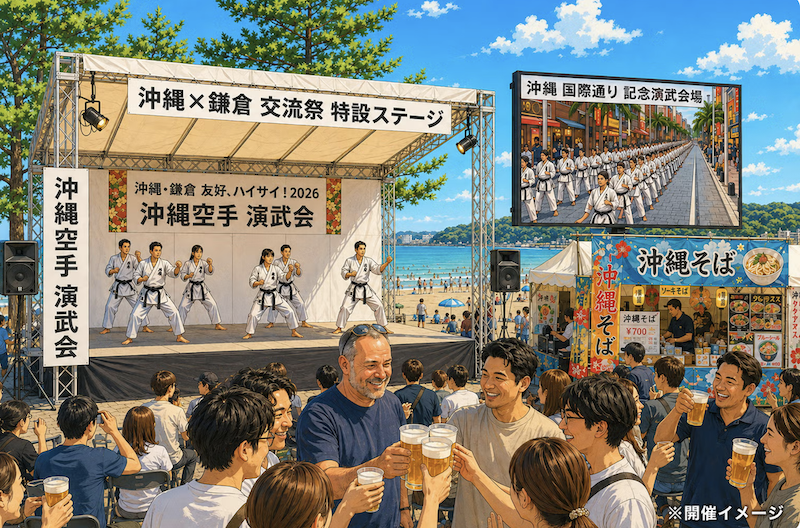
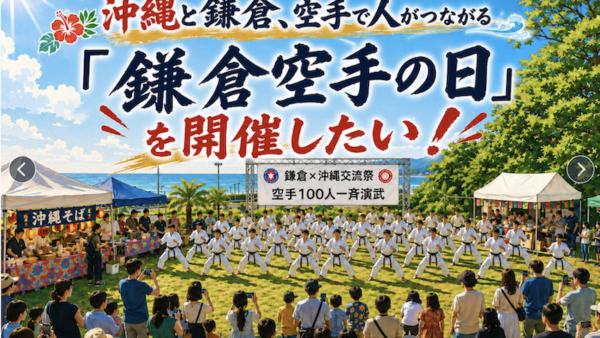
The second Kamakura Karate Day event will take place on November 8, 2026, at the Yuigahama area of Kamakura Seaside Park.
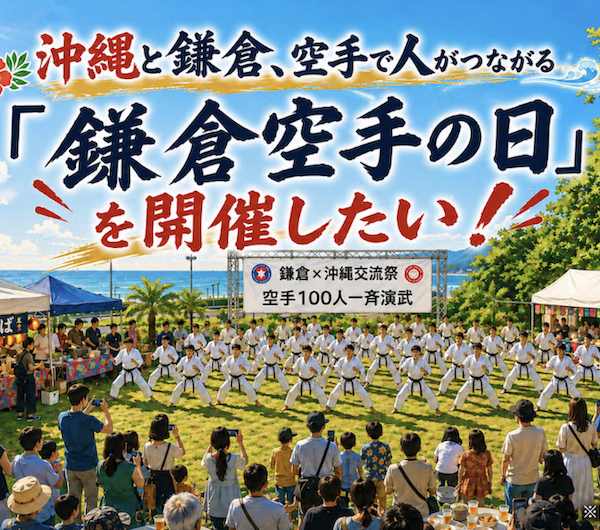
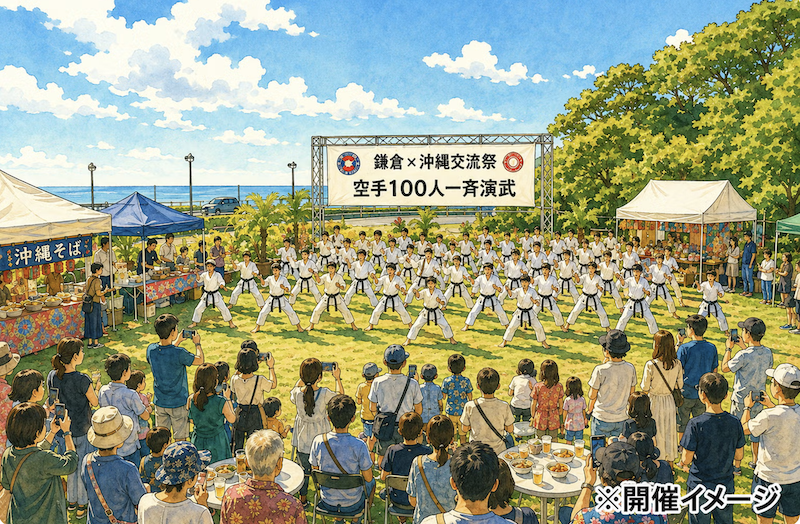
With the Shonan coastline as its backdrop, the Okinawa × Kamakura Cultural Exchange Festival will celebrate the cultures of both regions through karate, traditional performing arts, hands-on experiences, music and food.
The planned program includes Okinawan Eisa dance and traditional music, karate workshops for beginners, cultural experiences including Zen meditation, and food and product booths.
One of the main events will be a large-scale joint karate performance, connected with the Karate Day commemorative performance festival scheduled to take place on Kokusai Street in Naha, Okinawa, on the same day.
The organizers are aiming to bring together 100 karate participants in Kamakura, creating another cultural bridge between Okinawa and Kamakura through karate.
Experience a New Connection Between Okinawa and Kamakura
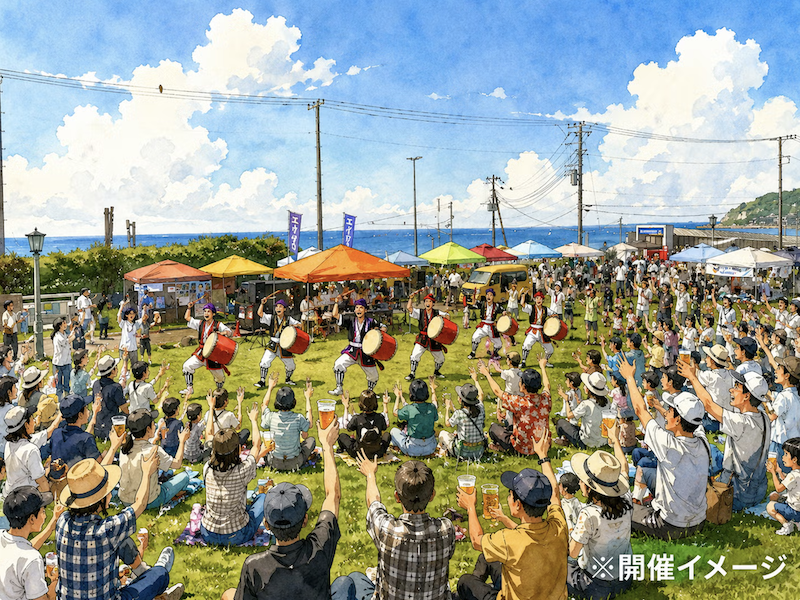
Kamakura is known around the world for its temples, shrines, samurai heritage and Zen culture.
Kamakura Karate Day introduces another story — a connection between Kamakura and one of Japan’s most internationally recognized martial arts.
Whether you are a karate practitioner, interested in Japanese martial arts, or simply visiting Kamakura and looking to experience Japanese culture from a different perspective, Kamakura Karate Day 2026 offers a unique opportunity to encounter karate, Zen and the spirit of cultural exchange in Kamakura.
And for 10 karate practitioners, October 25 offers something even more exceptional:
the opportunity to become part of that story by performing karate at Engaku-ji Temple.
Event Information
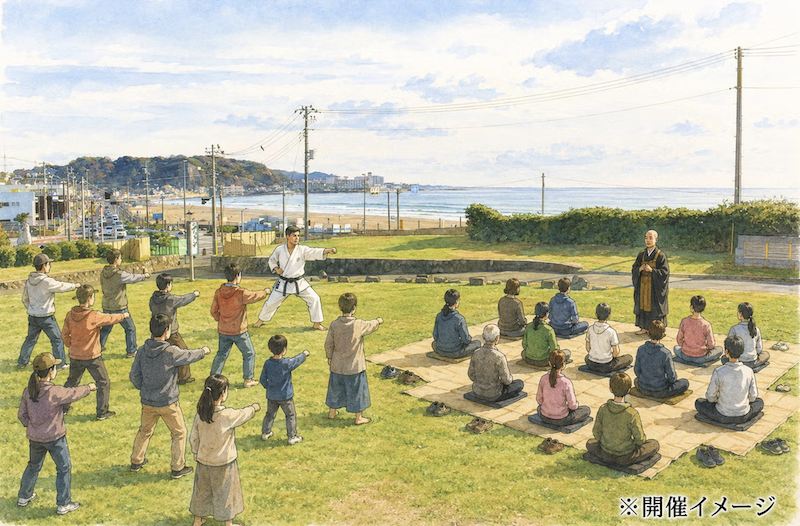
Kamakura Karate Day — Hōnō Enbu (Ceremonial Karate Performance)
Date: October 25, 2026
Venue: Engaku-ji Temple, Kita-Kamakura
Time: Afternoon (scheduled)
Okinawa × Kamakura Cultural Exchange Festival
Date: November 8, 2026
Time: 9:00 AM–4:00 PM (scheduled)
Venue: Kamakura Seaside Park, Yuigahama Area
For Karate Practitioners: Perform at Engaku-ji
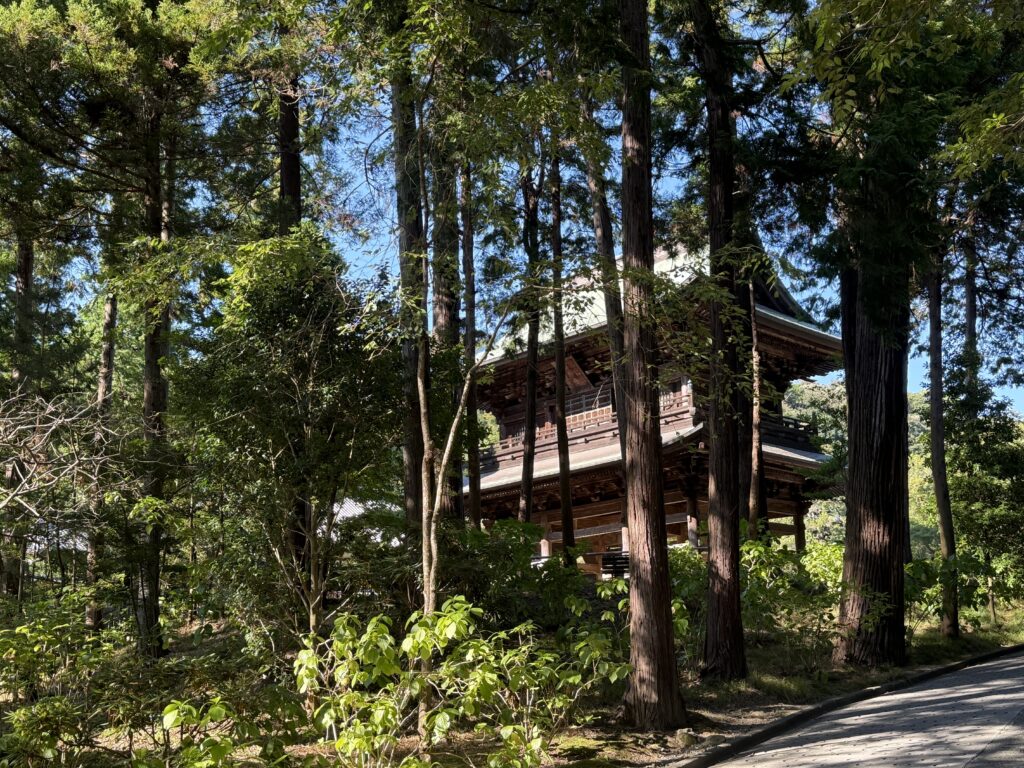
A limited 10 places are available to participate in the October 25 Hōnō Enbu at Engaku-ji.
Crowdfunding support: ¥ 100,000
Performance time: Approximately 5 minutes per participant
Karate gi required
For full details, crowdfunding support and participation information, please visit the official Kamakura Karate Day CAMPFIRE project.
Instagram: @kama.karateday
-Column- Why Kamakura and Engaku-ji?
Okinawa, the birthplace of karate — and Kamakura, where it took an important step toward becoming “Karate-dō.”
Did you know that Karate-dō originated in Okinawa?
Karate is said to have developed through a fusion of Okinawa’s indigenous martial traditions and Chinese martial arts. At the time, it was known as Tōde (唐手), meaning “Chinese-influenced fighting techniques.”
The place where this martial art later underwent an important transformation into Karate (空手), literally “empty hand,” was Engaku-ji Temple in Kamakura.
From the Taishō era into the early Shōwa period, Gichin Funakoshi, often called the father of modern karate, moved his activities from Okinawa to mainland Japan and repeatedly practiced Zen meditation under Zen Master Gyōdō Furukawa of Engaku-ji.
Through the Buddhist teaching of “Form is emptiness” (色即是空, shiki soku ze kū), Funakoshi deepened his understanding of the idea of emptying the mind and reaching a state free from ego.
This experience of Zen practice is said to have become an important influence in the later adoption of the name Karate (空手).
Even today, a memorial monument to Funakoshi stands quietly within the grounds of Engaku-ji.
Inscribed upon it are his well-known maxim,
“Karate ni sente nashi (空手に先手なし)” — “If you hit no one, no one hits you, and there is no battle. Karate is not for an attack.”
as well as the phrase,
“Ken Zen Ichinyo” (拳禅一如) — “Karate and Zen are one.”
Together, these words express the close connection between martial discipline, the mind, and Zen philosophy.