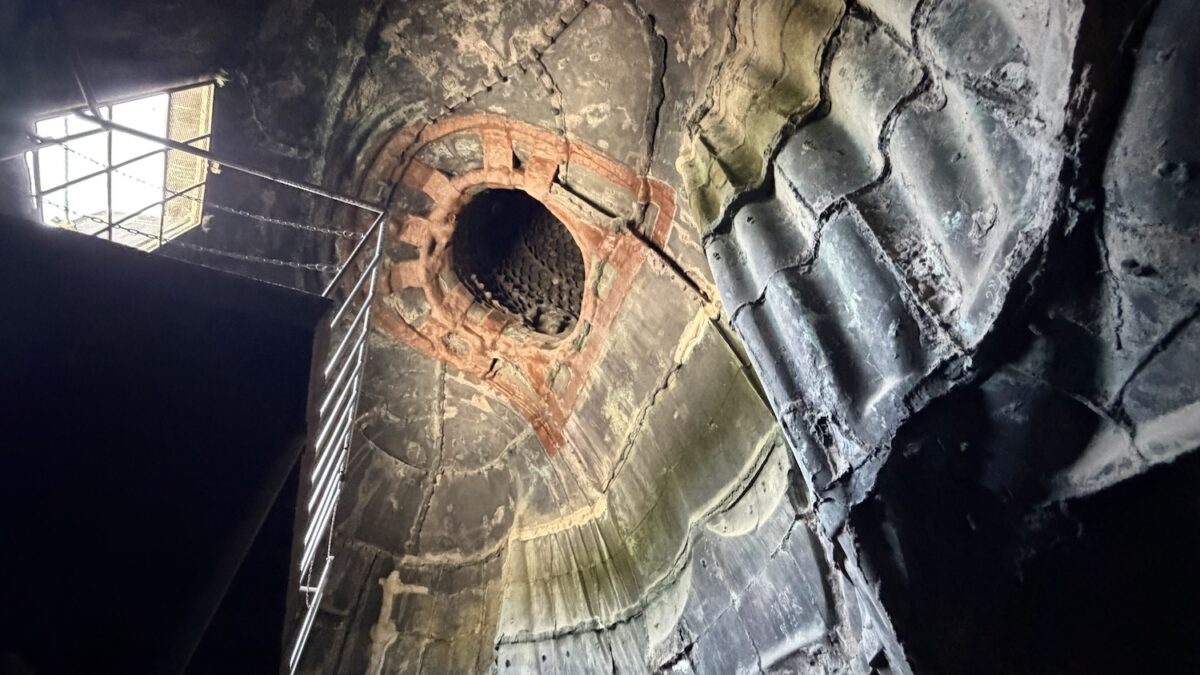
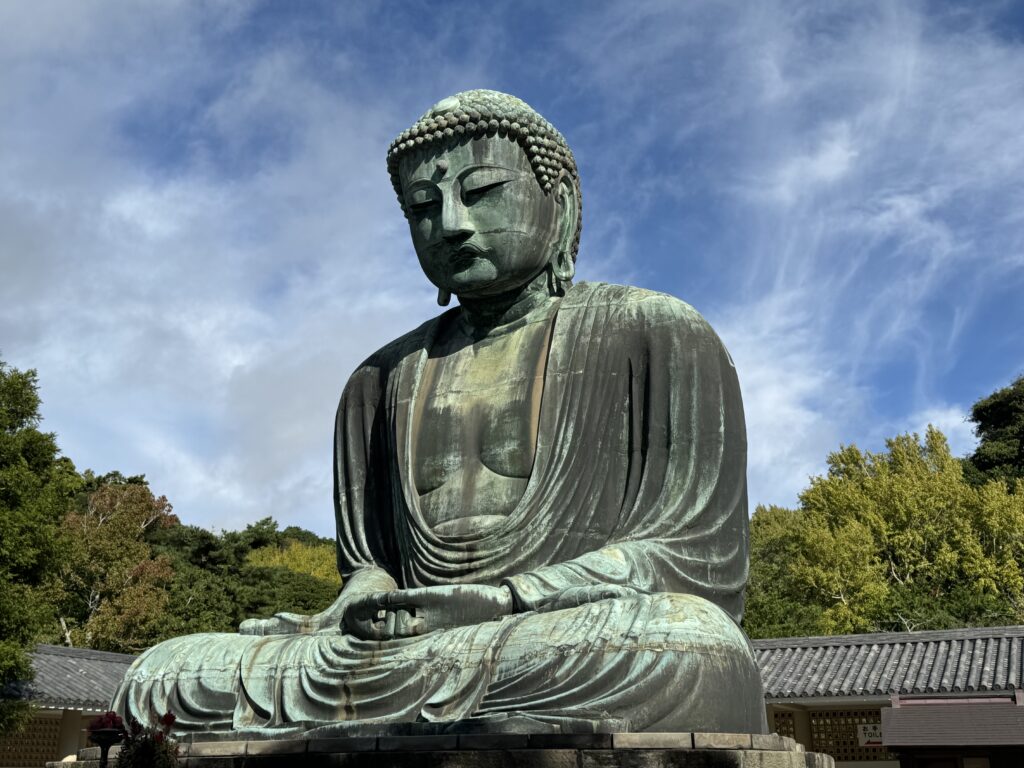
Most visitors to Kamakura stop in front of the Great Buddha, take a photo, and admire its impressive scale.
But there is something many first-time visitors do not realize:
You can actually go inside the Great Buddha of Kamakura.
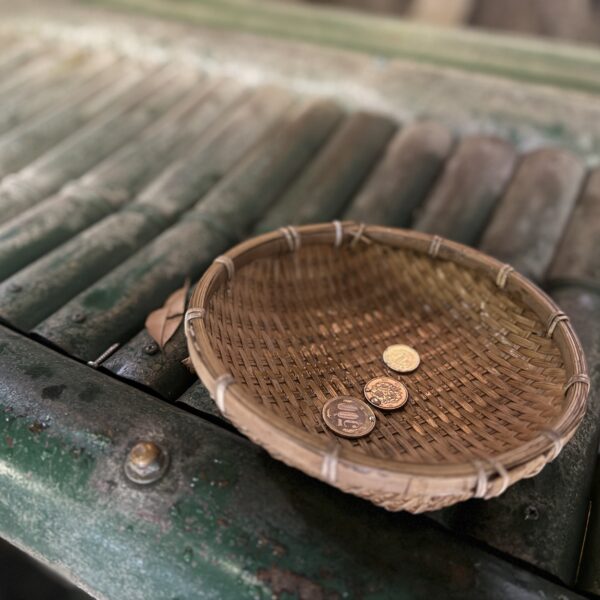
For just ¥50 in addition to the regular temple admission, visitors can enter the hollow bronze statue and see the Great Buddha from an entirely different perspective.
And what you find inside is not an ornate Buddhist sanctuary.
What Does the Great Buddha Look Like Inside?
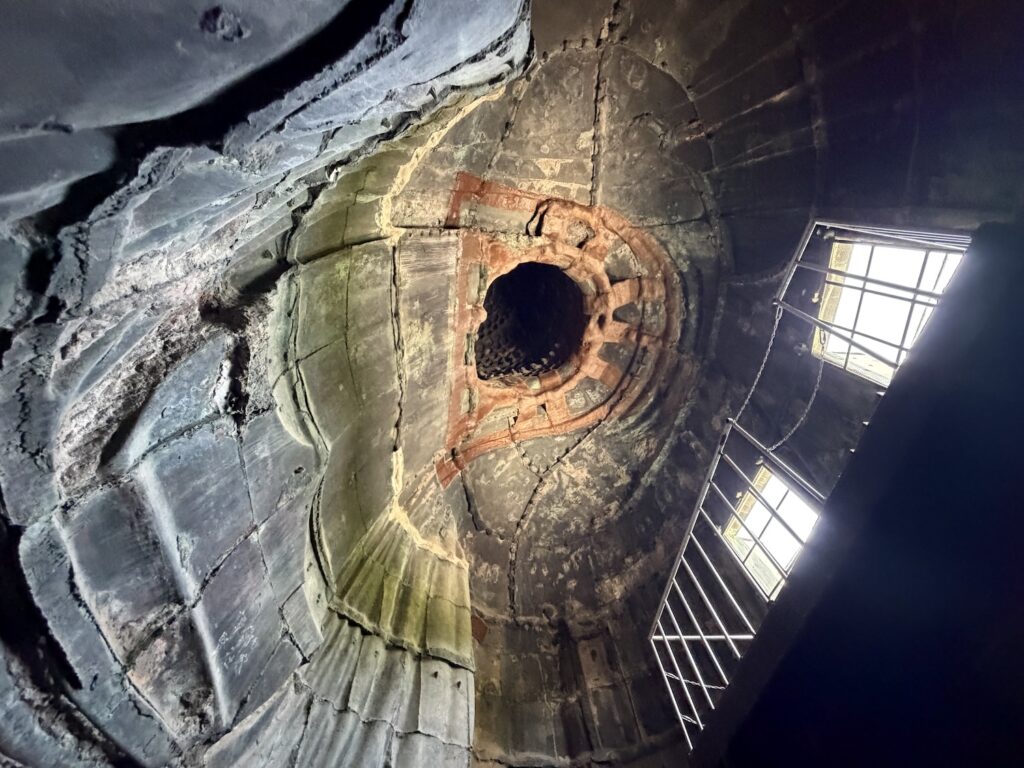
Once inside, the atmosphere changes completely.
You leave behind the sunlight and the familiar view of the Buddha sitting peacefully beneath the open sky.
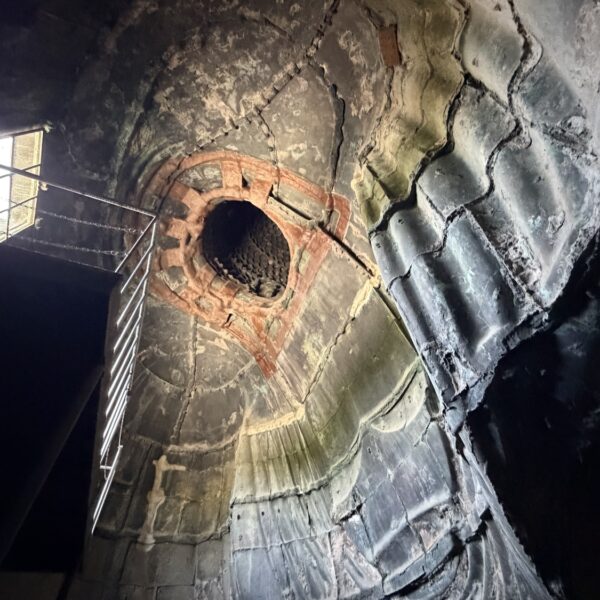
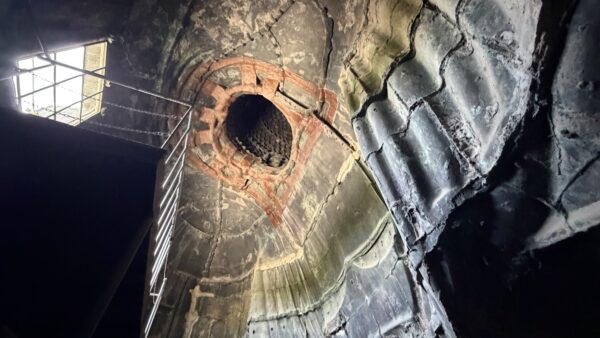
Inside, you are surrounded by dark bronze walls.
Look carefully, because those walls tell the story of how this enormous statue was created in the 13th century.
Look for the Casting Lines on the Bronze Walls
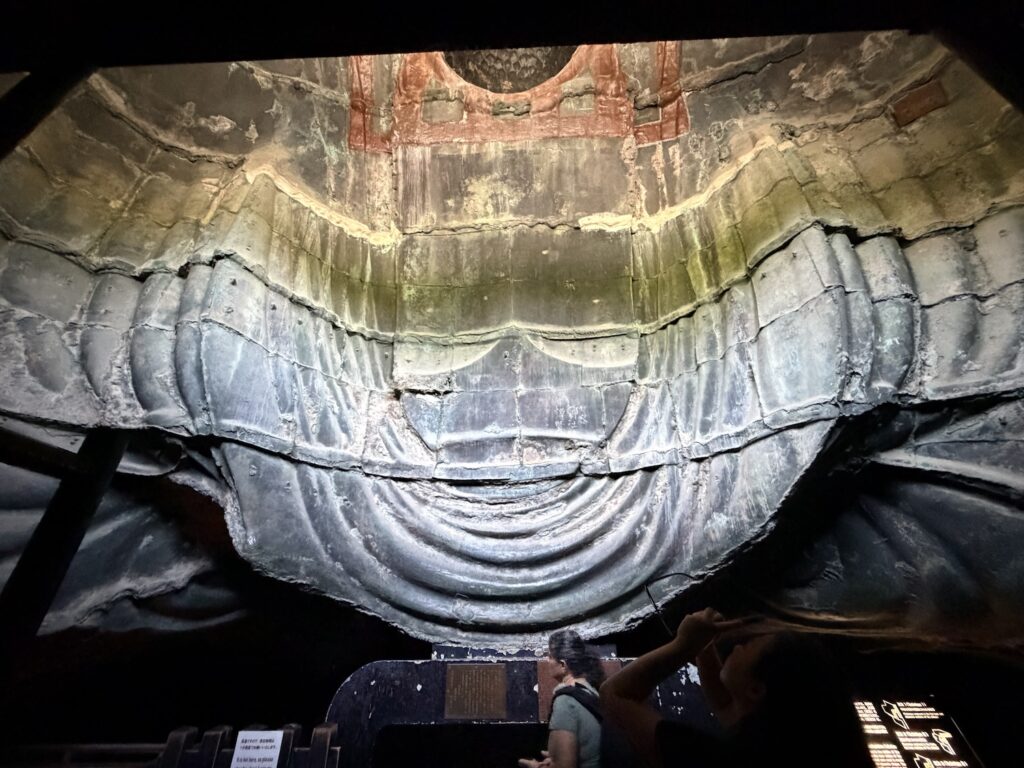
One of the most fascinating things to see inside the Great Buddha is the pattern visible across the interior walls.
The statue was not cast as one enormous piece.
According to Kotoku-in Temple, the Great Buddha was created through approximately 40 separate castings.
The large lattice-like patterns visible from inside help reveal how the different sections were formed and joined together.
More than 750 years later, you can still stand inside the statue and see evidence of the techniques used by the craftsmen who created it.
An Advanced 13th-Century Casting Technique
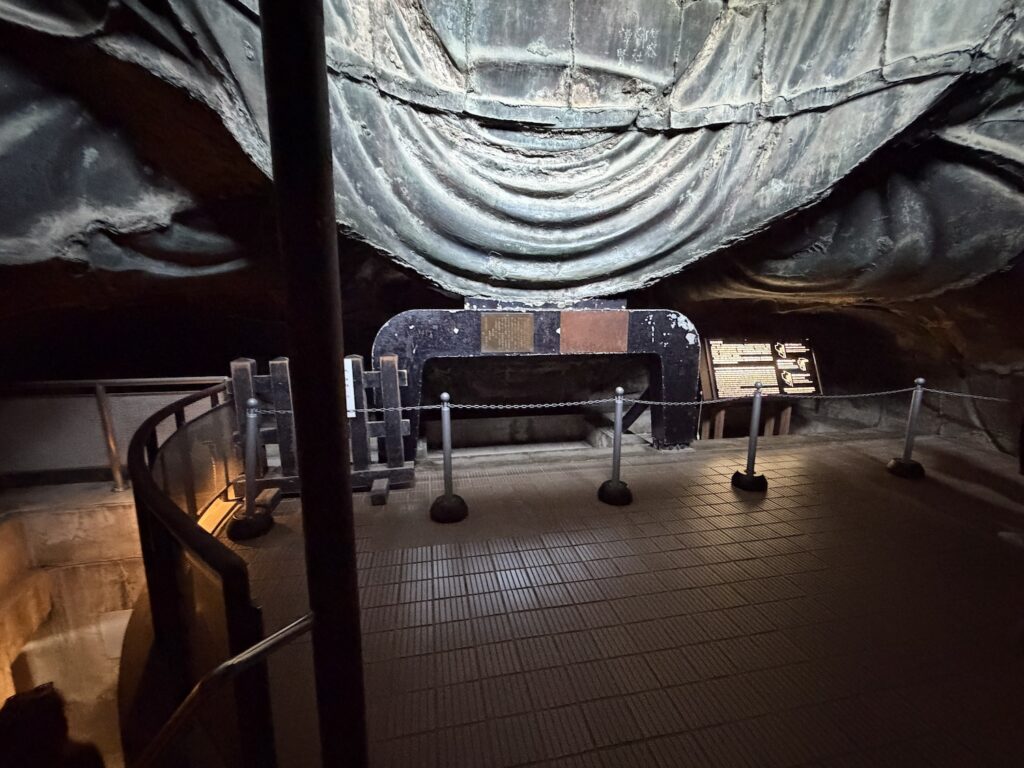
Even more interesting are the joints connecting the separately cast sections.
Three different variations of a traditional joining technique known as ikarakuri (鋳繰り) were used in different parts of the statue.
Different techniques were employed for areas such as the abdomen, torso, knees and shoulders.
From outside, the Great Buddha appears calm, seamless and monumental.
From inside, however, you begin to see it as an extraordinary feat of medieval Japanese engineering.
That contrast is what makes going inside so interesting.
Why Is the Great Buddha Hollow?
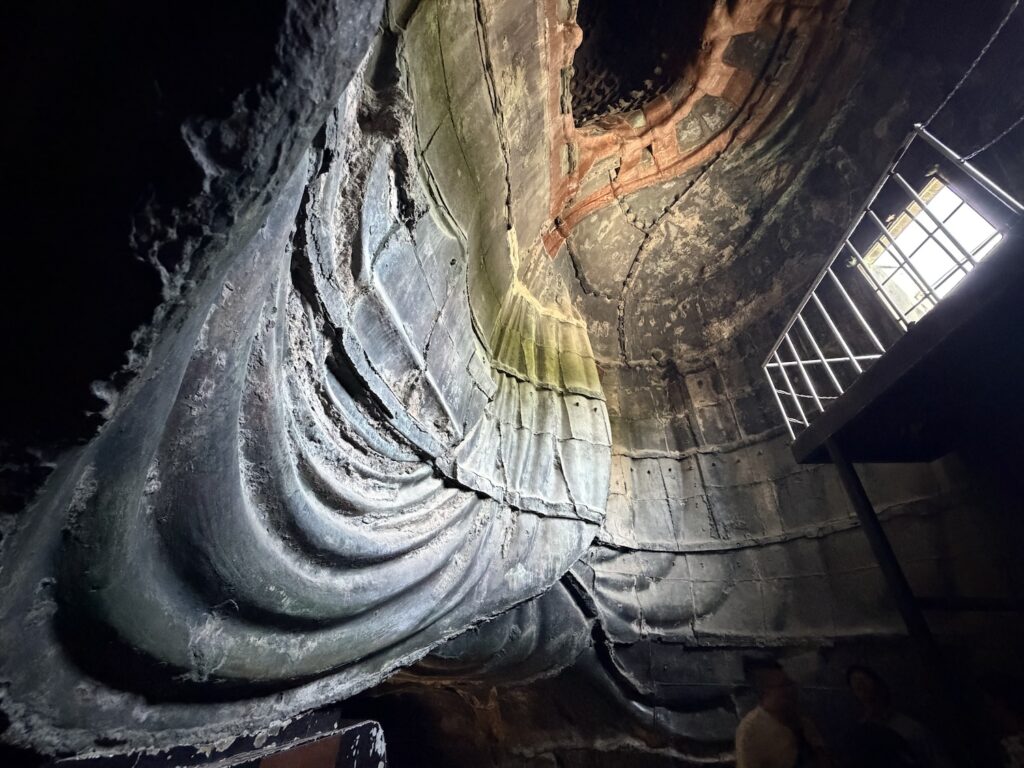

The Great Buddha was made by pouring molten bronze between outer and inner molds.
The statue was constructed gradually from the bottom upward, with different sections cast and joined together.
After the casting was completed, the material used to support the molds inside the statue was removed.
The result is the enormous hollow bronze structure visitors can enter today.
Standing inside gives you a perspective that is impossible to understand from photographs of the exterior alone.
You are not simply looking at a Buddhist statue.
You are standing inside a work of engineering created in medieval Japan.
How Old Is the Great Buddha of Kamakura?
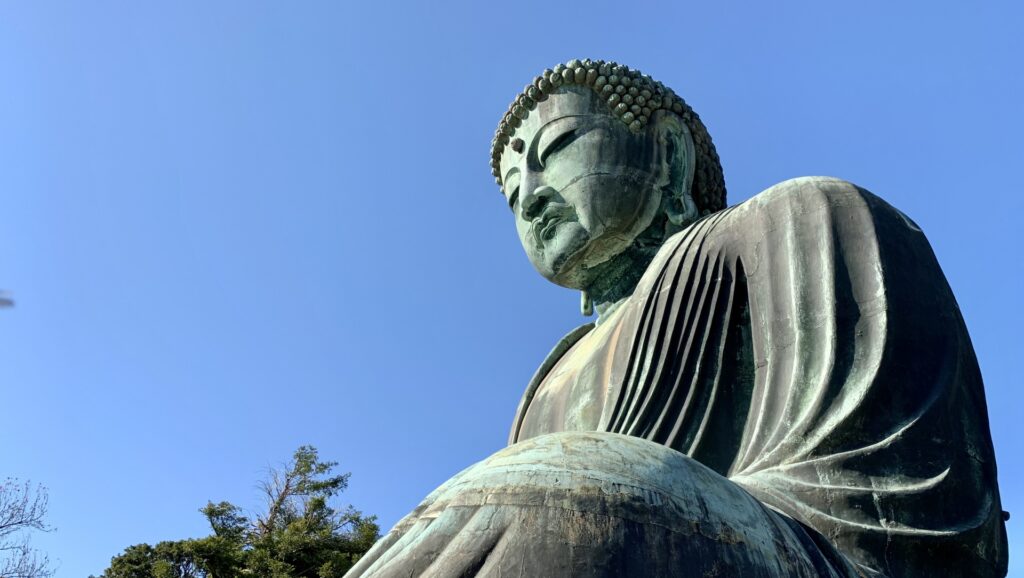
Construction of the present bronze Great Buddha is believed to have begun in 1252, during the Kamakura period.
The statue itself is approximately 11.3 meters tall and weighs around 121 tons.
It represents Amida Buddha (Amitabha Buddha) and is designated a National Treasure of Japan.
Today, one of its most distinctive features is that it sits outdoors beneath the sky.
However, this was not originally the case.
The Great Buddha was once housed inside a large hall. Historical records describe damage to the structure from major natural disasters over the centuries, and the Buddha eventually came to remain outdoors.
Its exposure to rain, wind, earthquakes and centuries of history makes the fact that we can still enter the statue today even more remarkable.
How Much Does It Cost to Go Inside the Great Buddha?
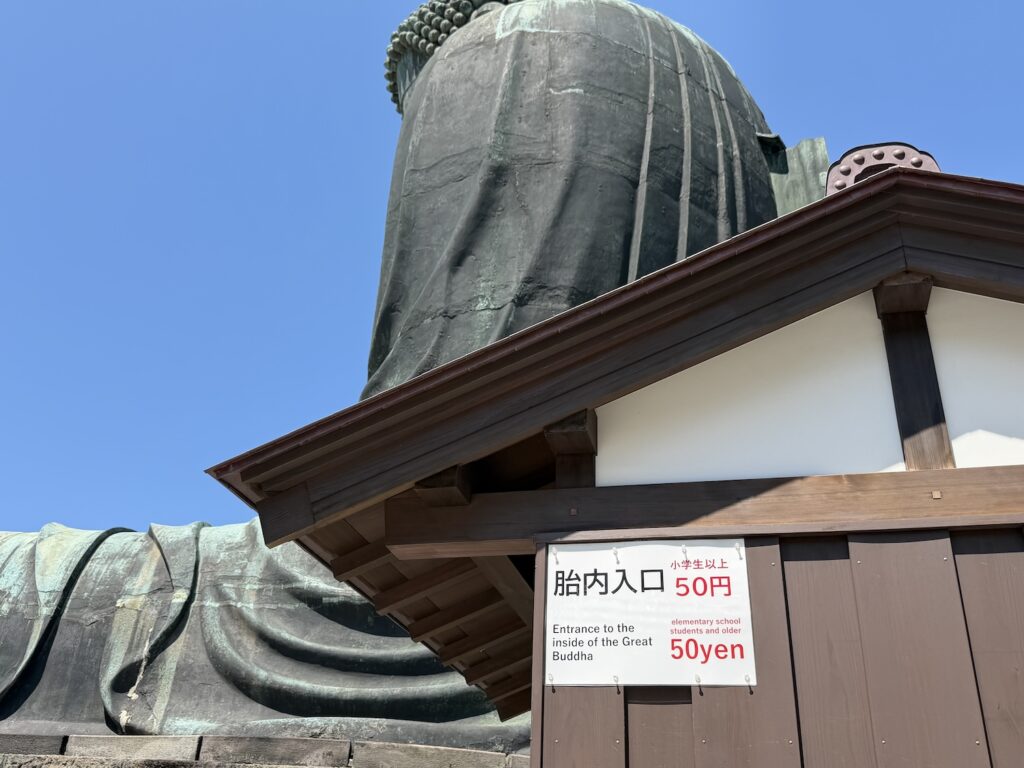
As of 2026, the additional fee to enter the Great Buddha is:
Great Buddha interior: ¥50 per person
Regular admission to Kotoku-in Temple is:
Adults: ¥300
Children aged 6–12: ¥150
Children under 6: Free
No advance reservation is required for a normal visit.
The interior is normally open from 8:00 AM to 4:30 PM, with final entry at 4:20 PM.
Opening conditions may change, so checking the official Kotoku-in website before your visit is recommended.
Important Summer Tip: The Interior Can Become Very Hot
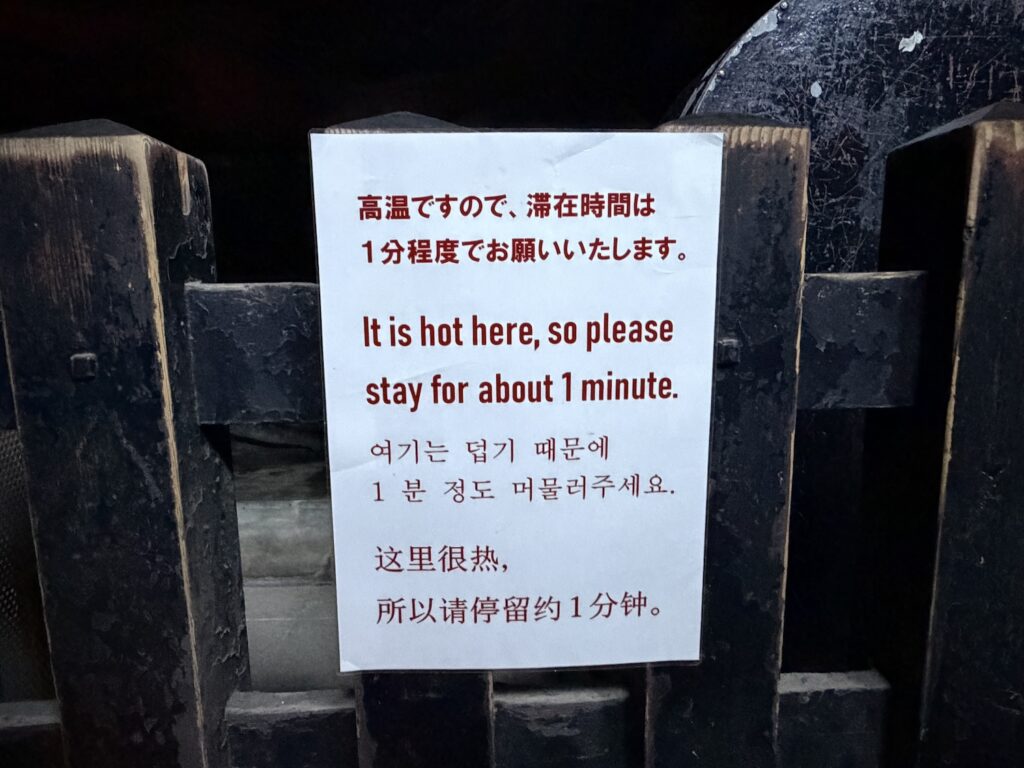
There is one particularly important thing to know if you are visiting Kamakura in summer.
Because the Great Buddha is made of bronze and heat can accumulate inside the statue, the interior can become extremely hot and humid.
When a Heatstroke Alert is issued for Kanagawa Prefecture, entry to the interior may be suspended during the afternoon.
Even in the morning, opening hours can sometimes be changed depending on the weather and temperature inside the statue.
If going inside the Great Buddha is high on your list, visiting earlier in the day is a good idea during the hottest months.
What Should You Know Before Going Inside?
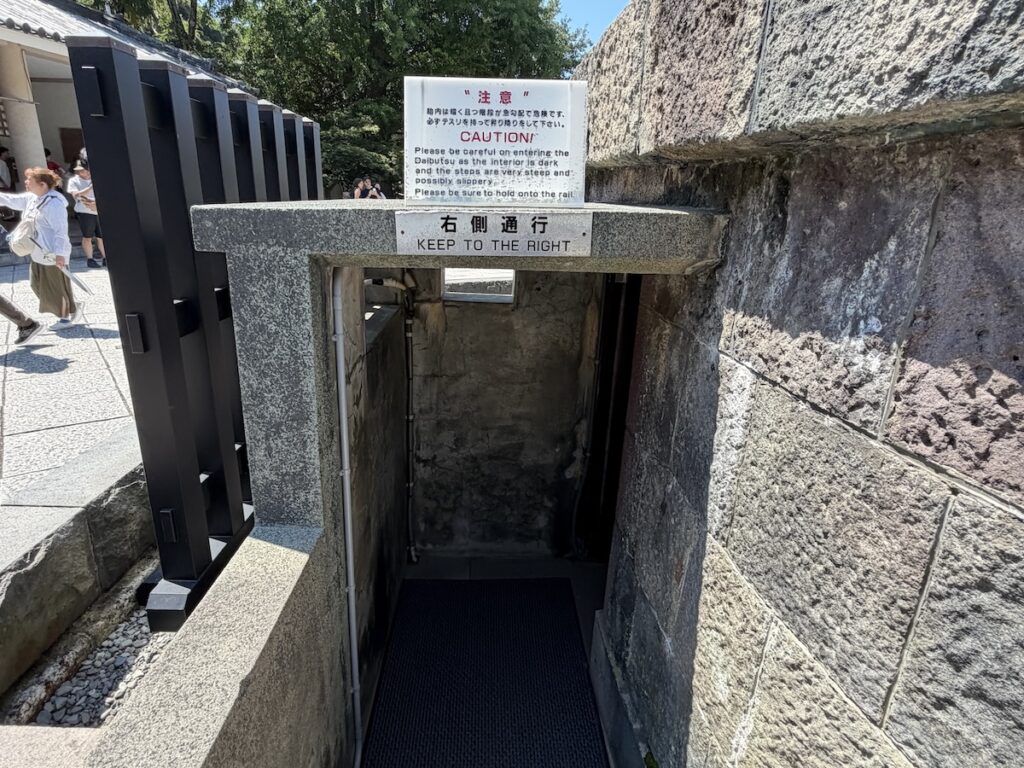
The entrance to the interior includes stairs and a relatively narrow passage.
Be Careful on the Steep Stairs
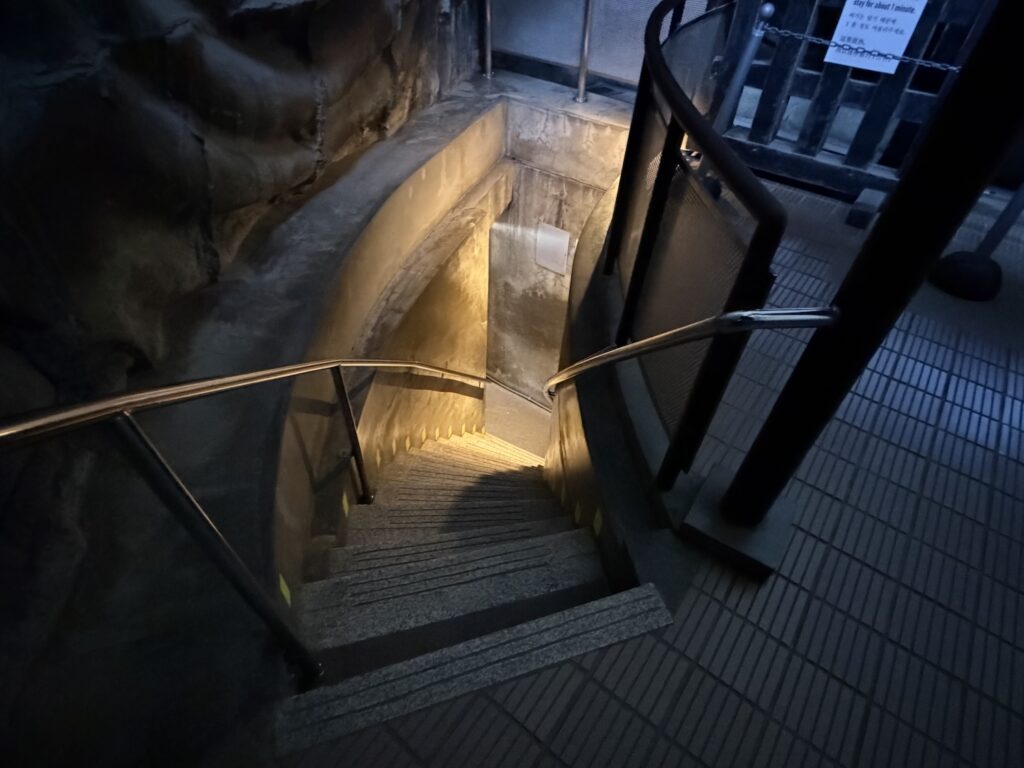
Please note that the stairs inside the Great Buddha are steep and relatively narrow
If you have knee problems, difficulty using stairs, or limited mobility, entering the interior may be challenging. Please take your time and use the handrail.
Entering the interior is optional, so if you are concerned about the stairs, you can still fully enjoy the Great Buddha from outside.
Personal photography is generally permitted at Kotoku-in, but selfie sticks are not allowed inside the Great Buddha.
And most importantly, do not rush through.
The interior may initially look simple, but spend a moment looking closely at the bronze walls, the casting lines and the enormous space above you.
Knowing what you are looking at completely changes the experience.
Explore the Great Buddha with a Kamakura Local
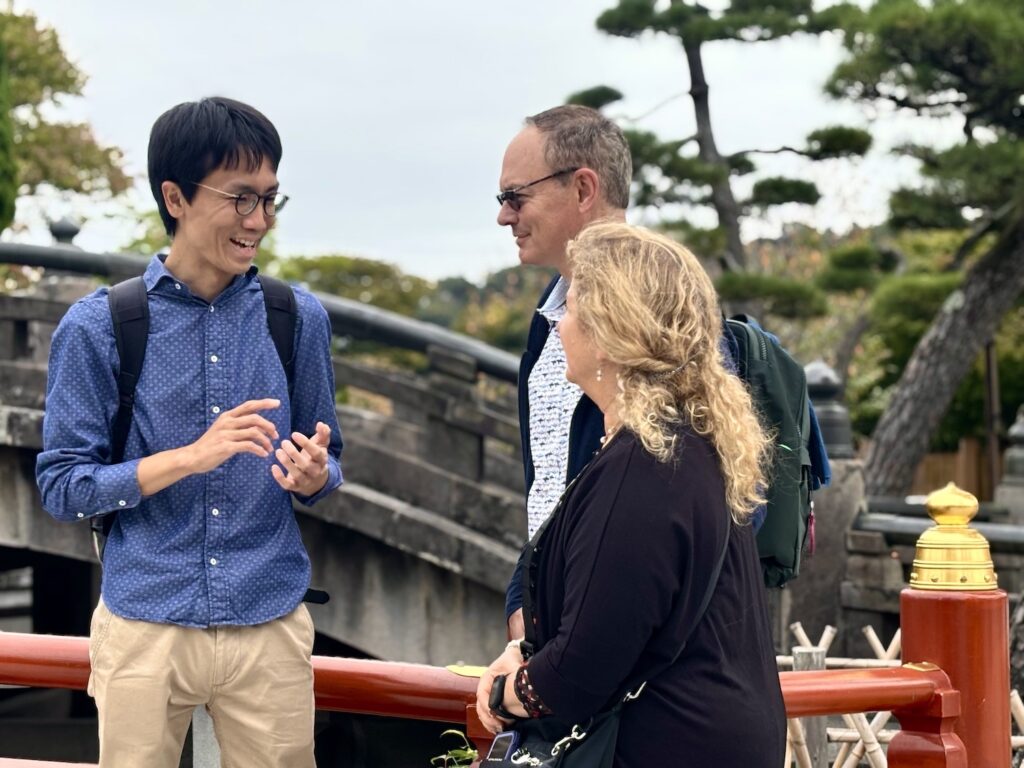
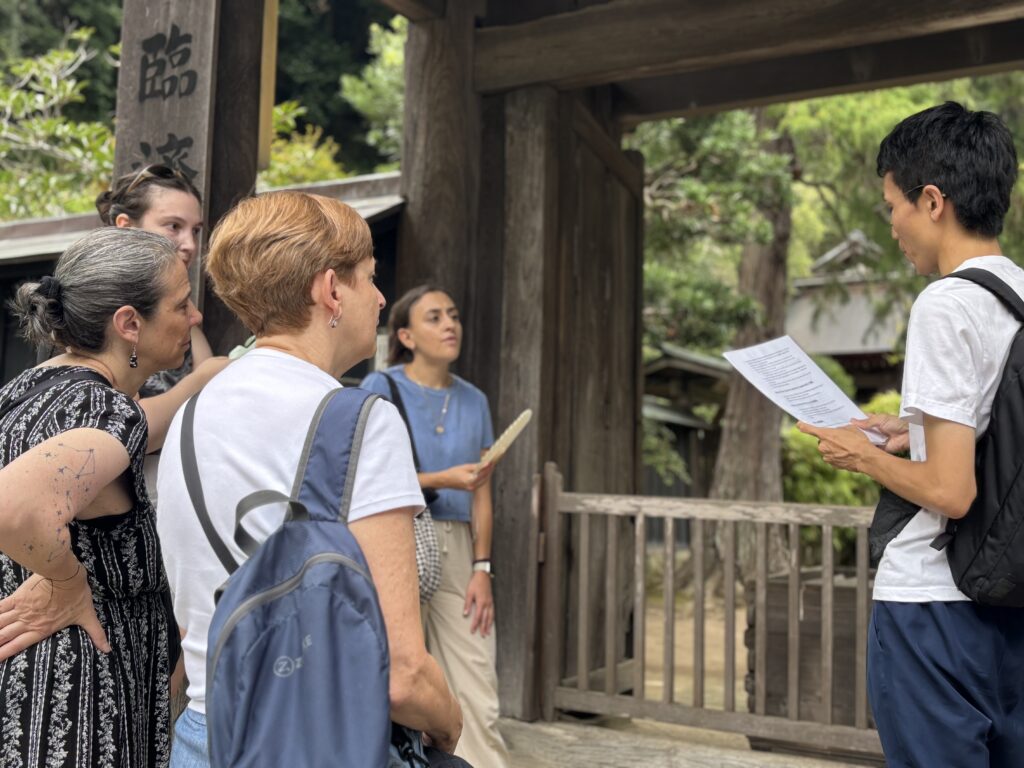
If you would like to go beyond simply visiting the famous landmarks, the Great Buddha can be included in our private and customized Kamakura tours.
With a local guide, you can discover not only the Great Buddha itself, but also the history, Buddhist culture and small details hidden behind Kamakura’s most famous places.
A typical half-day itinerary can combine the Great Buddha of Kamakura, Hase-dera Temple and other highlights, while the route can also be customized around your interests and pace.
Explore Kamakura with a Kamakura-born private guide and discover the stories behind what you see.
[View the Kamakura Private & Customized 4-Hour Tour]
Frequently Asked Questions About Going Inside the Great Buddha
Can you go inside the Great Buddha of Kamakura?
Yes. Visitors can enter the hollow interior of the Great Buddha at Kotoku-in Temple for an additional fee.
How much does it cost to enter the Great Buddha?
The interior admission fee is ¥50 per person, in addition to the regular Kotoku-in admission fee.
What can you see inside the Great Buddha?
You can see the bronze interior walls, casting seams and structural details that reveal how the enormous statue was created and assembled.
What time can you enter the Great Buddha?
Interior viewing is normally available from 8:00 AM to 4:30 PM, with final entry at 4:20 PM.
During periods of extreme summer heat, interior viewing may be temporarily suspended.
Where is the Great Buddha of Kamakura?
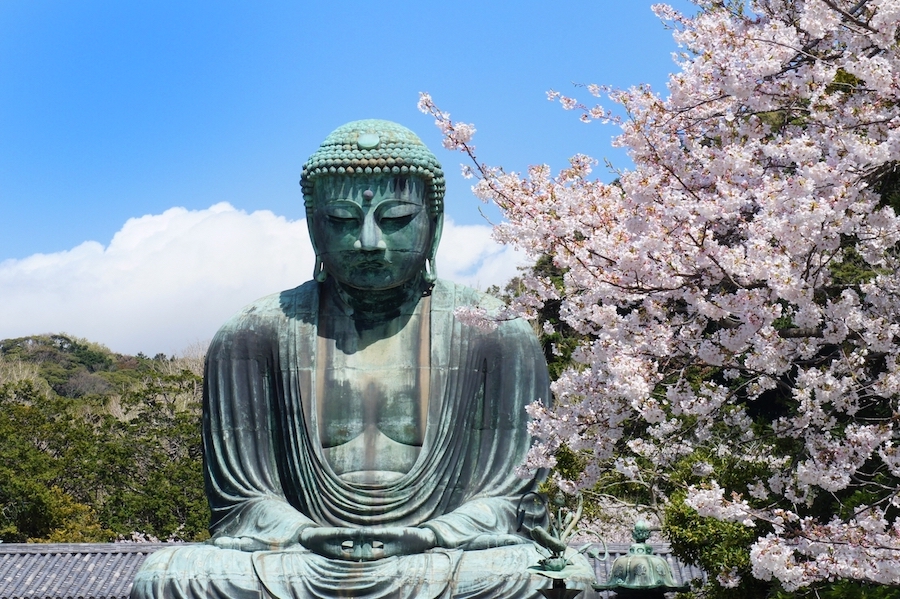
The Great Buddha is located at Kotoku-in Temple in Hase, Kamakura.
It is approximately a seven-minute walk from Hase Station on the Enoden Line.
Information in this article was checked in August 2026. Admission fees, opening hours and interior viewing conditions may change. Please check the official Kotoku-in Temple information before visiting.
📍 Great Buddha of Kamakura, Kōtoku-in
💷 Temple admission: ¥300
➕ Interior admission: ¥50
Popular Tour Options
・Half-Day Kamakura Private Tour
Perfect for travelers visiting Kamakura on a day trip from Tokyo.
https://kamakura-experience.jp/experience/half-day-kamakura-study-tour/
・Full-Day Kamakura Private Tour
Explore Kamakura at a relaxed pace and discover hidden local spots.
https://kamakura-experience.jp/experience/1day-kamakura-study-tour/
Explore Kamakura with a guide who was born and raised here.
Author & Local Guide: Takumi Ikeda

Takumi Ikeda is the Project Lead & Local Guide at Kamakura Experience, born and raised in Kamakura.
With professional hospitality experience aboard an international cruise ship and at Michelin-rated ryokans, he shares stories, insights, and practical tips shaped by his deep roots in the city.
Discover more on Instagram: https://www.instagram.com/kamakura_experience