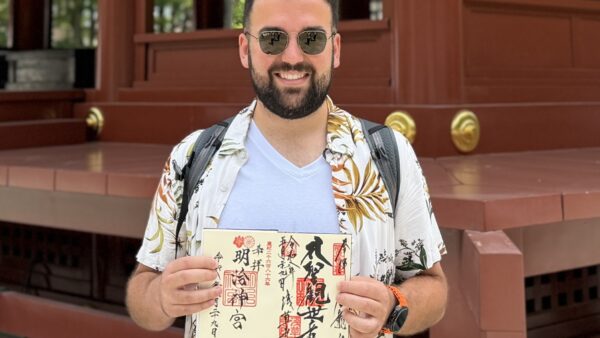
Collecting goshuin is a meaningful way to explore the temples, shrines, history and spiritual traditions of Kamakura. Each goshuin combines a seal with calligraphy connected to the place you have visited, creating a personal record of your journey rather than an ordinary souvenir.
In this guide, you will learn what goshuin are, what is written on them and how to receive them respectfully. We will also introduce some of the best temples and shrines for collecting goshuin in Kamakura, explain the basic etiquette, suggest routes for different tour lengths and answer common questions from international visitors.
Whether you are receiving your first goshuin or adding to an existing collection, this guide will help you plan a more meaningful and enjoyable visit to Kamakura.
What is Goshuin?
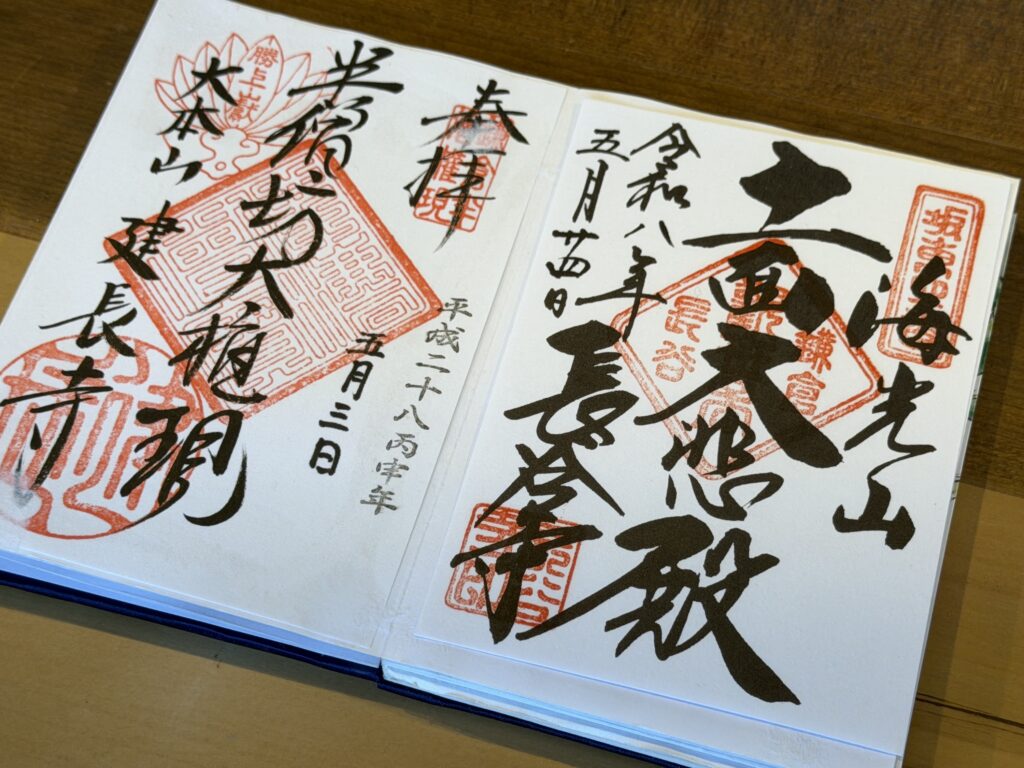
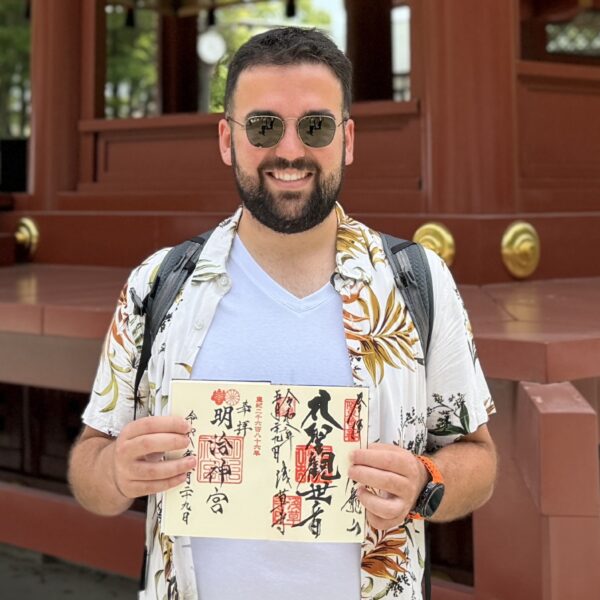
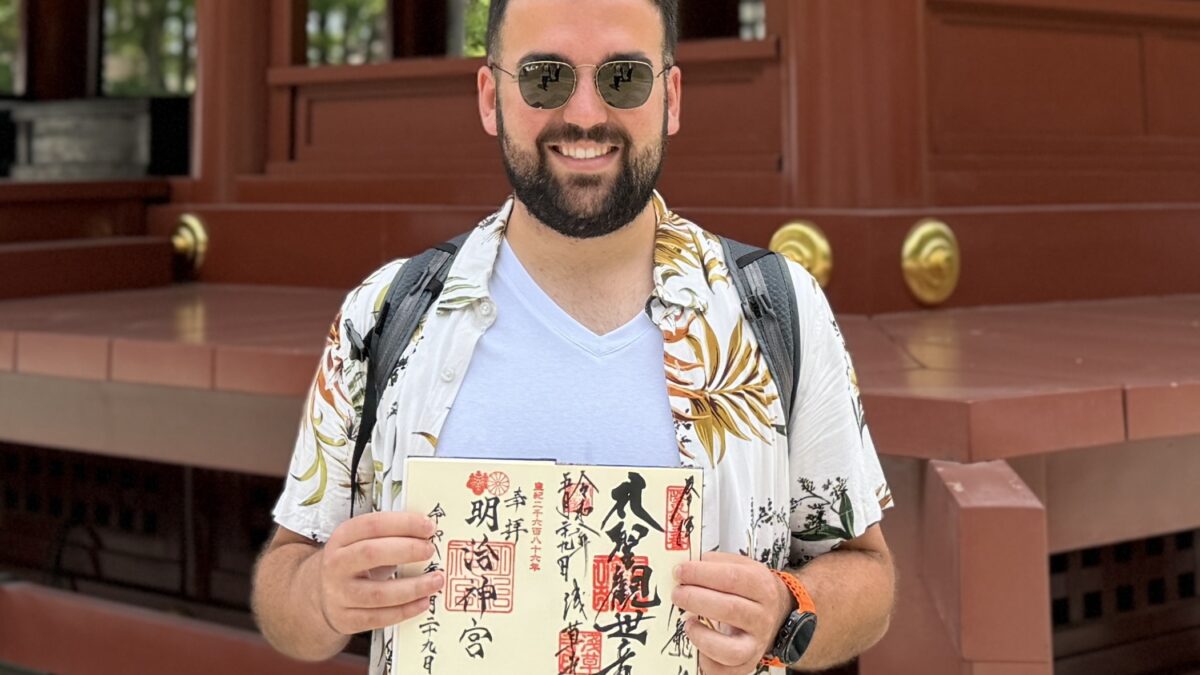
A goshuin is a seal and calligraphic inscription received after visiting and paying your respects at a Buddhist temple or Shinto shrine in Japan.
It is not simply a commemorative tourist stamp. A goshuin is traditionally connected to worship and serves as a record of your visit to a sacred place.
Historically, some temples gave these seals to worshippers who had copied and presented Buddhist sutras. Today, visitors can usually receive a goshuin after praying at the temple or shrine. Hase-dera’s official explanation describes goshuin as certificates that were originally given to people who had completed hand-copied sutras.
What does “goshuin” mean?
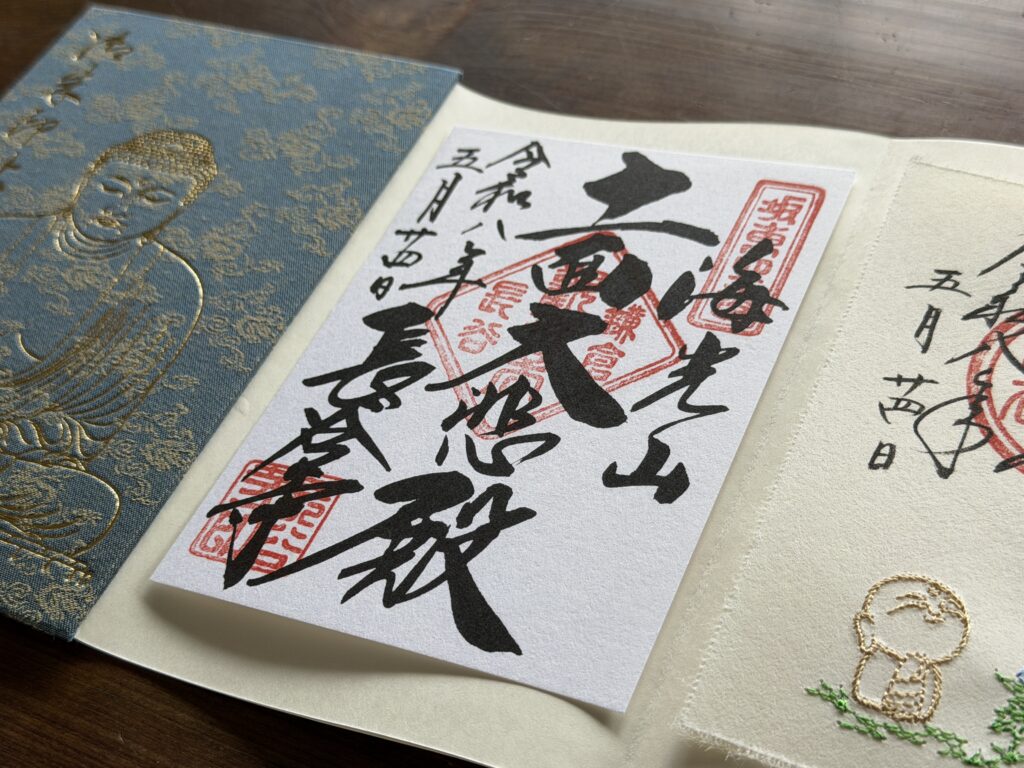
The word “goshuin” is written as 御朱印.
“Go” is an honorific prefix, while “shuin” means a red seal. In English, goshuin may be described as sacred seals, temple and shrine seals or pilgrimage seals.
However, a goshuin usually includes much more than a red stamp. Its calligraphy and seals reflect the identity and religious significance of the place where it was received.
What Is Written on a Goshuin?
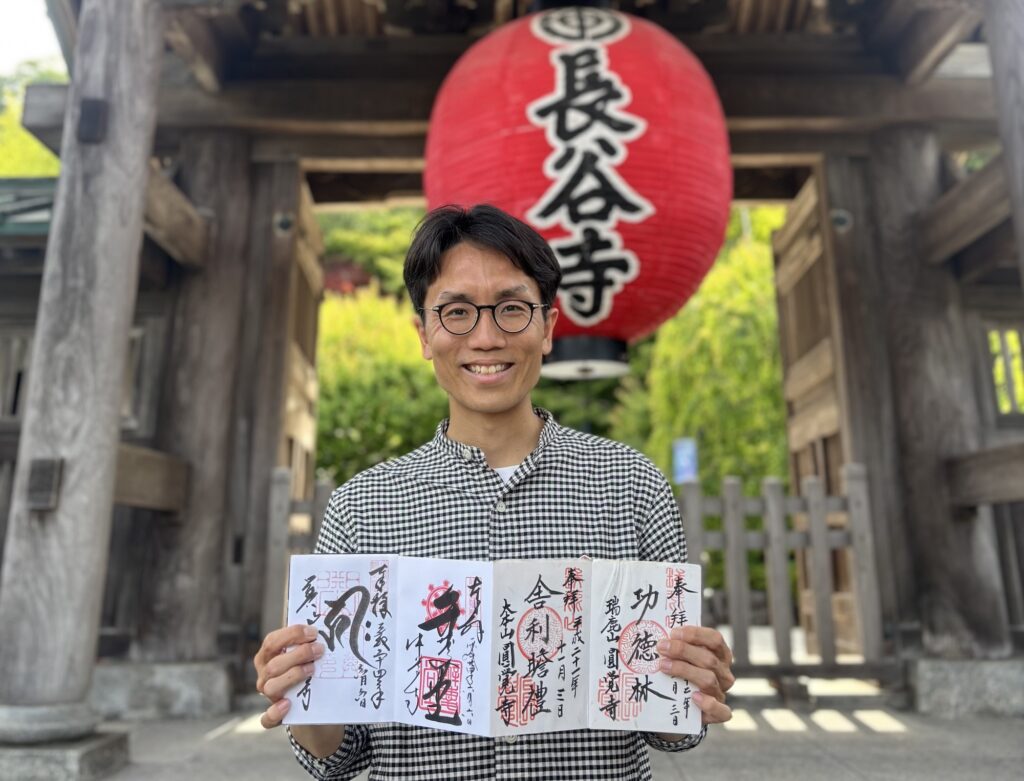
The contents vary between temples and shrines, but a goshuin may include:
- The name of the temple or shrine
- The name of a Buddhist hall, Buddha, bodhisattva or enshrined kami
- The date of your visit
- One or more red seals
- A Buddhist phrase, sacred name or calligraphic inscription
Learning what the writing represents can transform a visually beautiful page into a meaningful record of your visit.
What Is a Goshuincho?
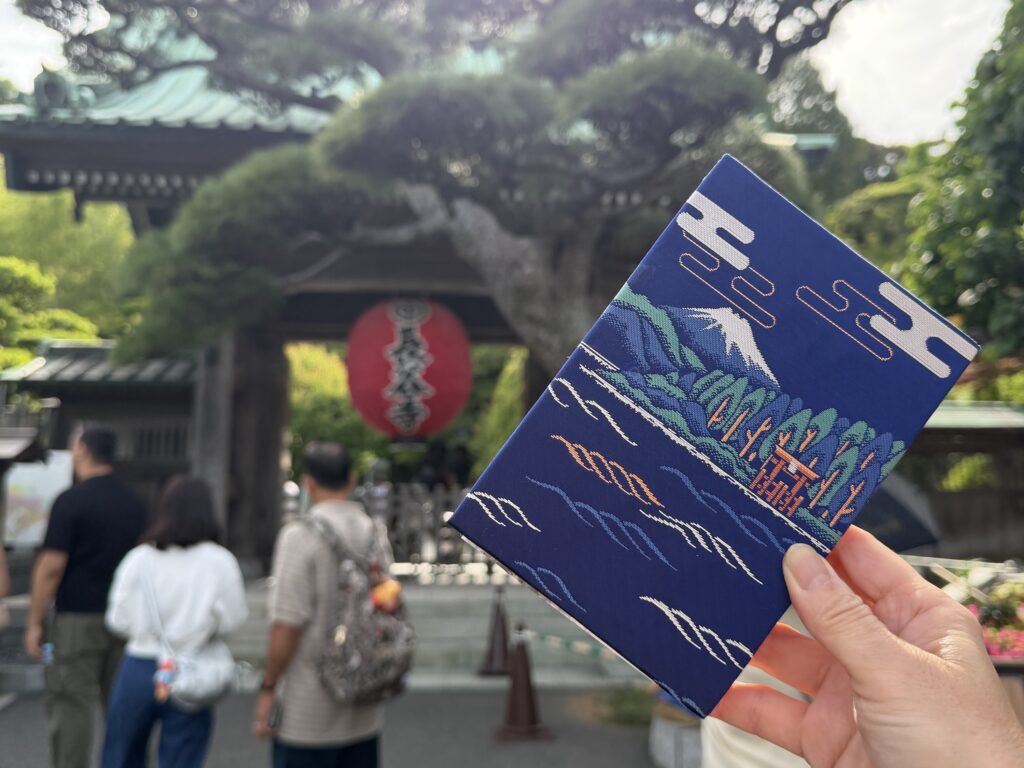
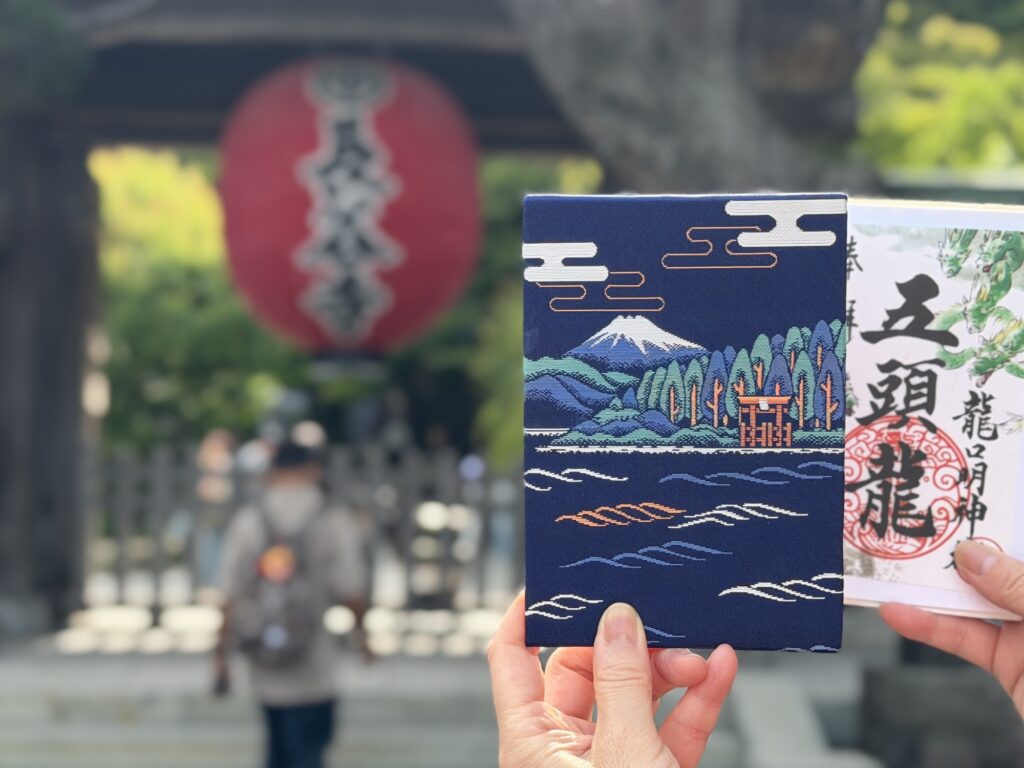
A goshuincho is a special book used for collecting goshuin.
Most goshuincho are made with folded pages that open like an accordion. The thicker paper is suitable for ink and seals and helps prevent the writing from bleeding through to the other side.
Many temples and shrines sell their own original goshuincho with designs connected to their history, buildings, flowers or religious traditions. Hase-dera and Kotoku-in both offer original goshuincho.
Why Kamakura is Great Place to Collect Goshuin
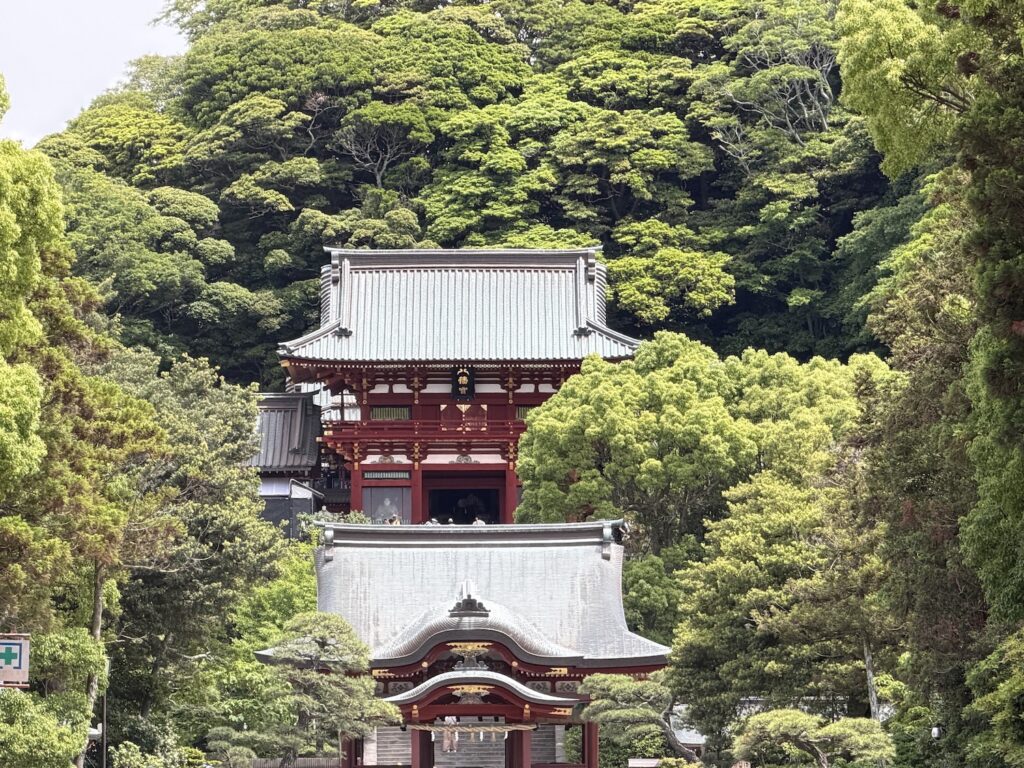
Kamakura is one of Japan’s most rewarding destinations for a goshuin journey because it brings together Buddhist temples, Shinto shrines, samurai history and local religious traditions within a relatively compact area.
Visit Both Buddhist Temples and Shinto Shrines
Visit Both Buddhist Temples and Shinto Shrines
Kamakura allows you to visit important Buddhist temples and Shinto shrines during the same journey.
This gives you an opportunity to compare their different architecture, customs, religious roles and forms of worship.
Explore Several Historic Sites in One Day
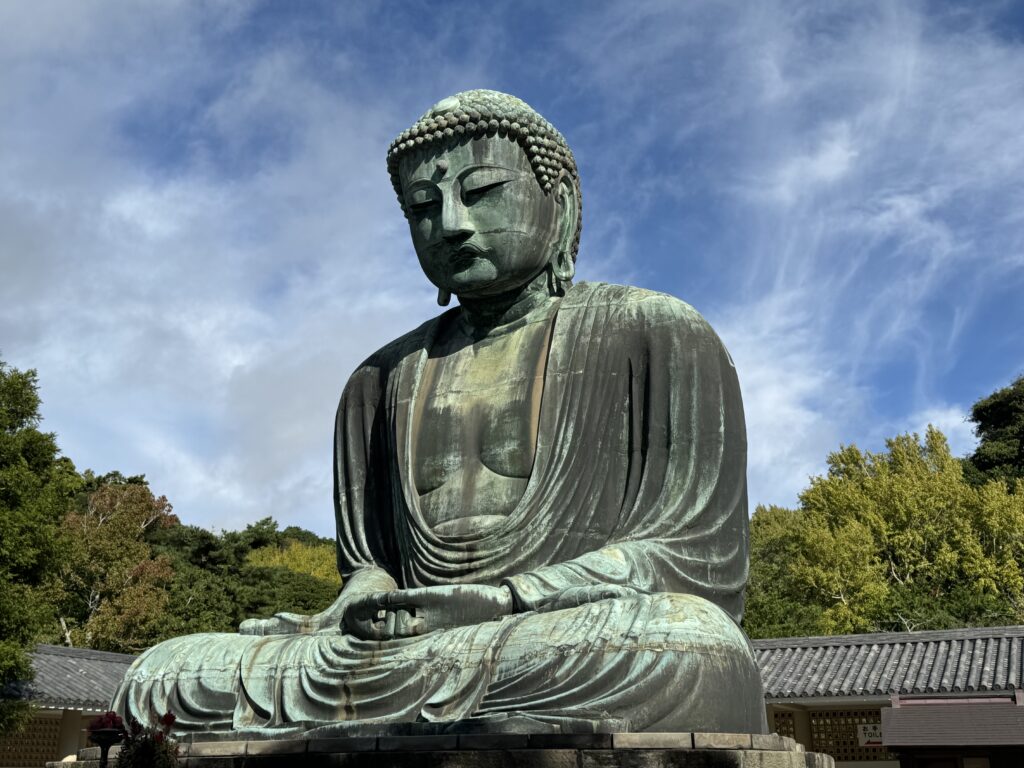
Many important sites are concentrated around central Kamakura, Kita-Kamakura and the Hase area.
Depending on your itinerary, you can travel between them on foot, by local bus or on the Enoden railway.
Experience Several Layers of Kamakura’s Culture
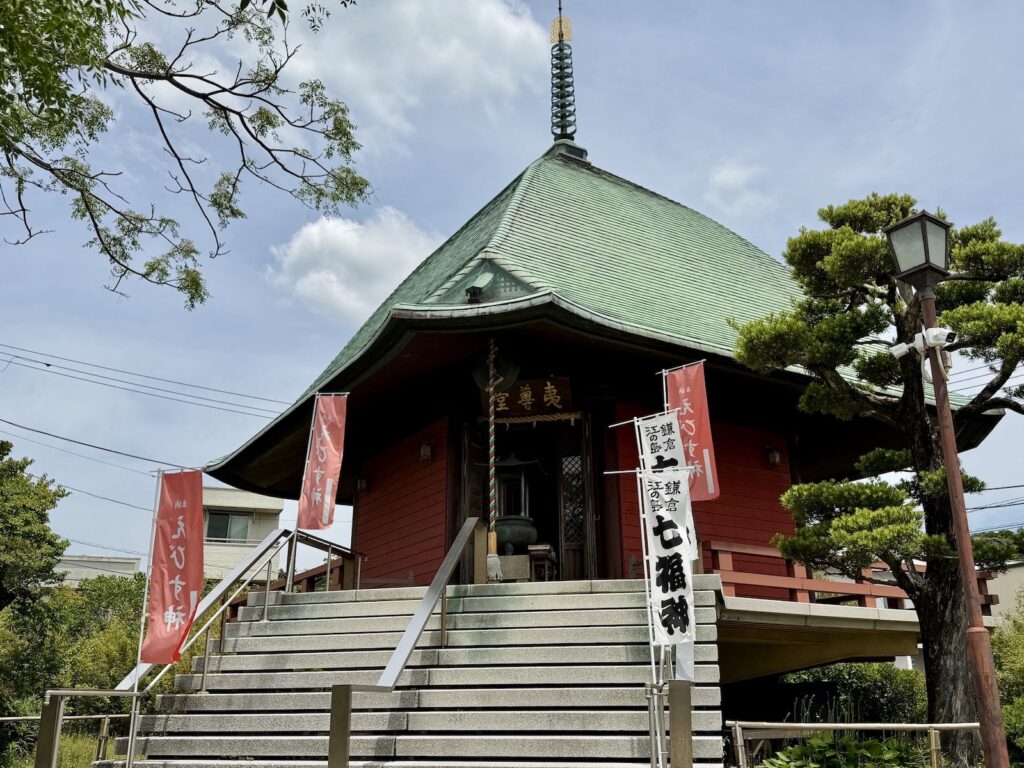
A goshuin journey through Kamakura can introduce you to several important aspects of Japanese history and spirituality.
At Tsurugaoka Hachimangu, you can learn about Hachiman worship and the development of Kamakura as the center of Japan’s first samurai government.
At Zen temples, you can explore the Buddhist traditions that flourished under the patronage of the warrior class.
At Hase-dera, you can encounter devotion to Kannon, the bodhisattva associated with compassion. The temple’s principal Eleven-Headed Kannon statue is 9.18 meters tall and is one of the largest wooden Buddhist statues in Japan.
At local shrines such as Goryo Shrine and Zeniarai Benzaiten, you can discover regional legends, local kami and beliefs that remain closely connected to the people of Kamakura.
Easy Access from Tokyo
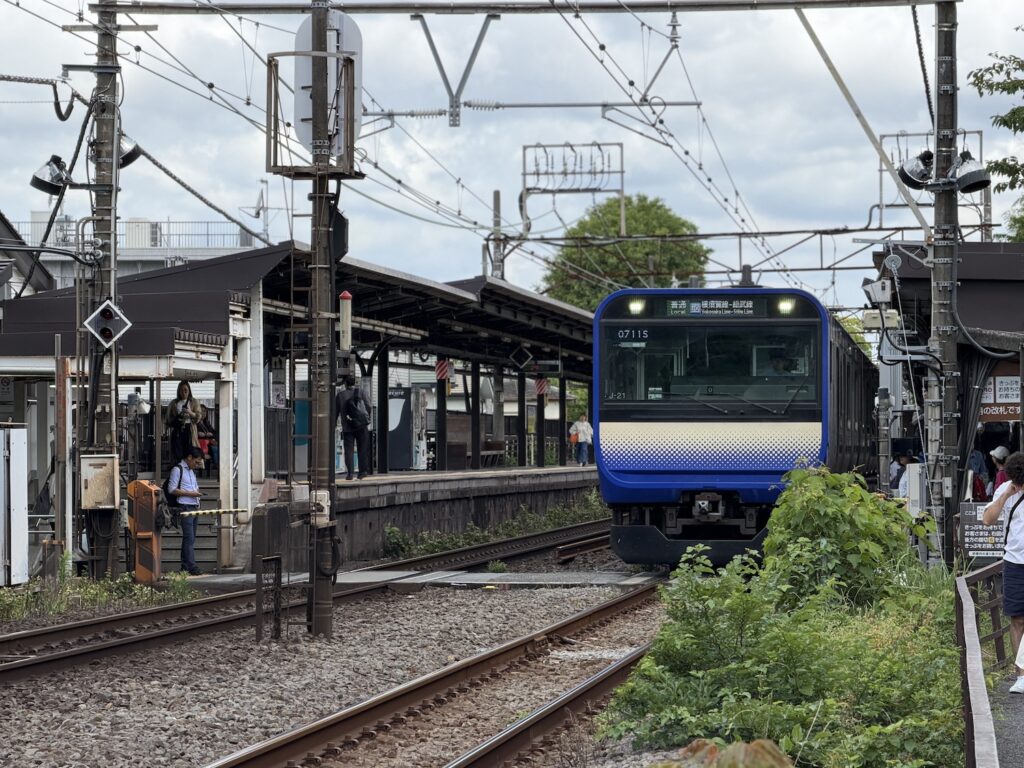
Kamakura can be visited as a day trip from central Tokyo, making it an accessible destination for travelers who would like to experience temples, shrines and traditional culture outside the capital.神社と寺院の両方を巡れる
Best Temples and Shrines for Goshuin in Kamakura
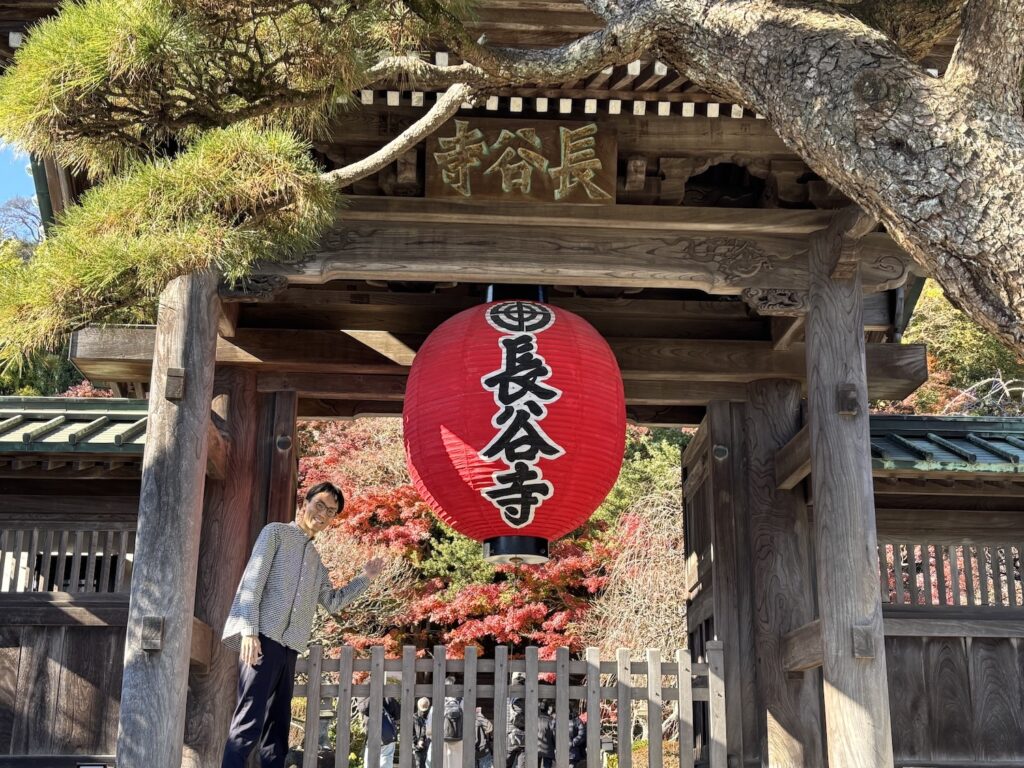
Tsurugaoka Hachimangu Shrine
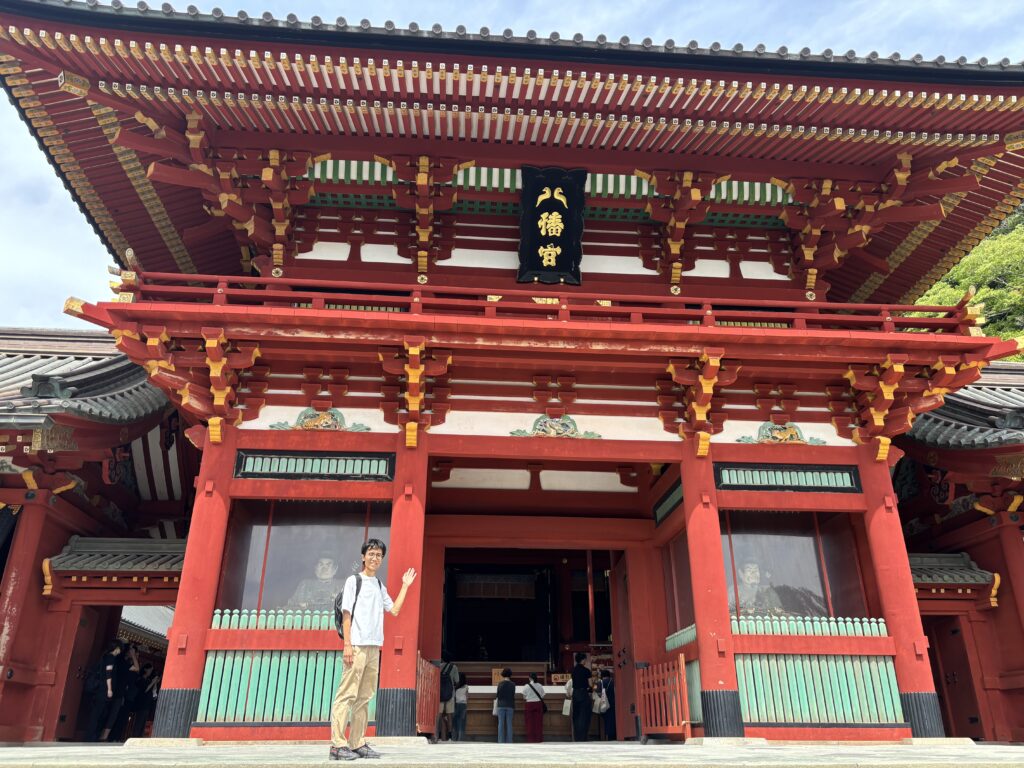
Tsurugaoka Hachimangu is one of Kamakura’s most famous Shinto shrines and an ideal place to begin a goshuin journey.
The shrine was closely connected to Minamoto no Yoritomo and the Kamakura shogunate. It became the spiritual and cultural heart of the samurai capital and remains one of the city’s most significant landmarks.
Before receiving the goshuin, walk along the main approach, purify your hands at the temizuya and pay your respects at the main shrine.
Local guide tip: The shrine grounds are large and include several culturally important areas. Allow enough time to experience the place rather than visiting only the goshuin office.
hasedera
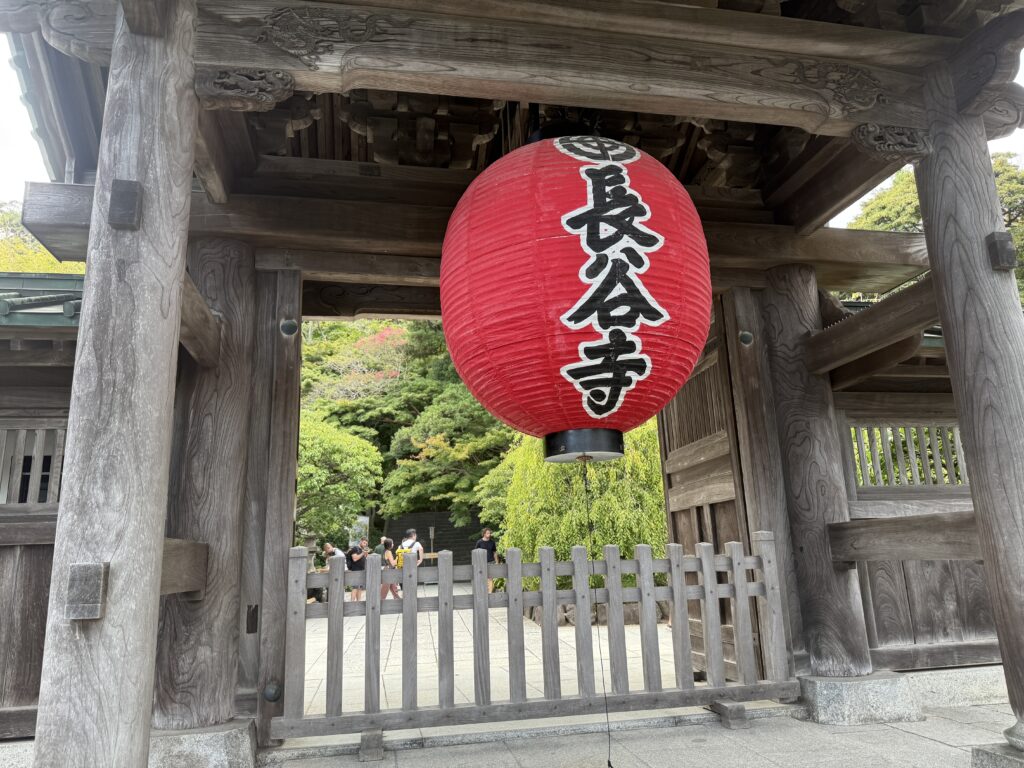
Hase-dera is known for its monumental Eleven-Headed Kannon statue, seasonal flowers and views over Kamakura and the sea.
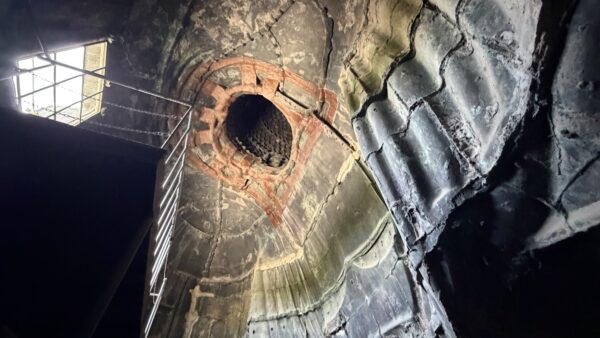
Its grounds contain Buddhist halls, gardens, Jizo statues, a cave dedicated to Benzaiten and an observation area. The goshuin office is located near the entrance.
Hase-dera explains that visitors may leave their goshuincho at the counter before exploring the temple and collect it when leaving. During busy periods, only a prepared paper goshuin may be available.
Accessibility note: The main Kannon hall is on the upper part of the temple grounds and requires climbing a substantial number of steps. Visitors with knee or mobility concerns should consider this when planning their route.
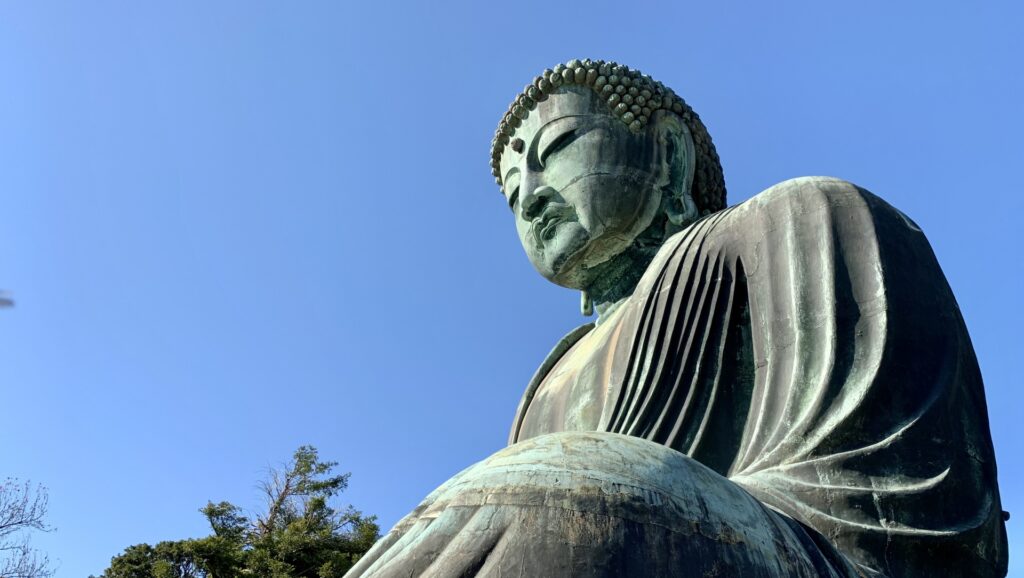
Kotokuin Temple
Goshuin Etiquette: What You Need to Know Before You Go
Collecting goshuin is open to international visitors, but it is important to remember that temples and shrines are active places of worship.
Approach each location with the same respect you would show at any sacred or religious site.
Visit the Main Hall First
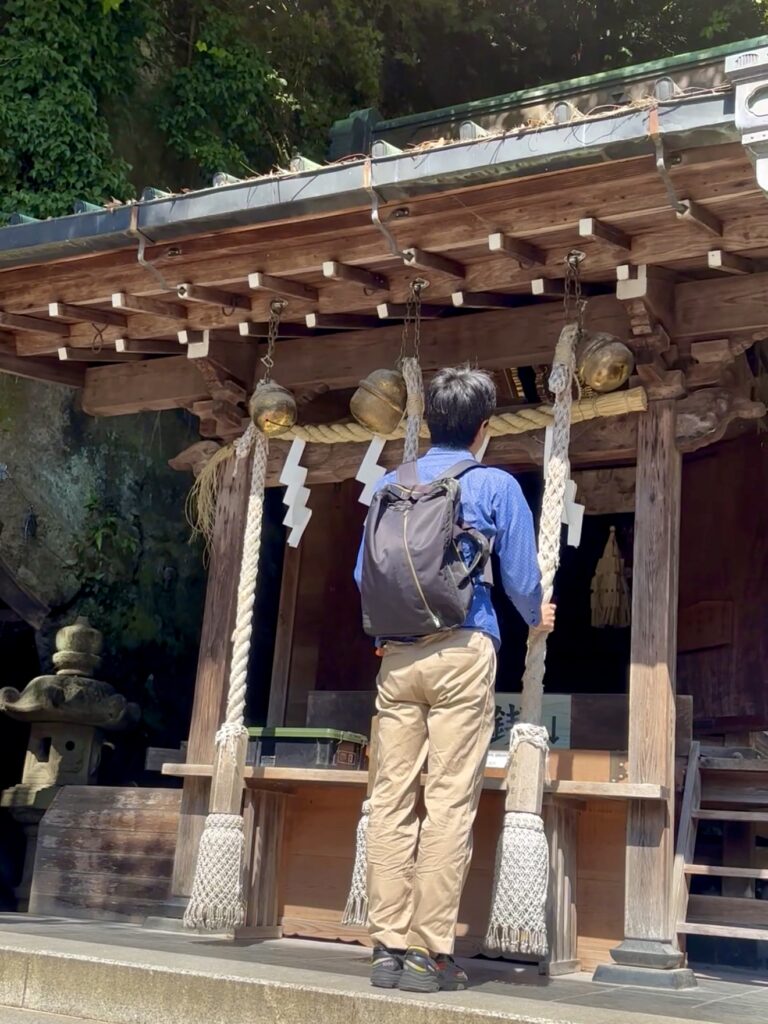
As a general rule, visit the main worship area and pay your respects before receiving a goshuin.
At a Shinto shrine, this usually involves purification at the temizuya before approaching the main shrine.
At a Buddhist temple, quietly place your hands together and pay your respects in front of the principal hall.
The exact practice may differ between locations, but the important point is that the goshuin should follow the visit and prayer rather than replace them.
Use a Dedicated Goshuincho
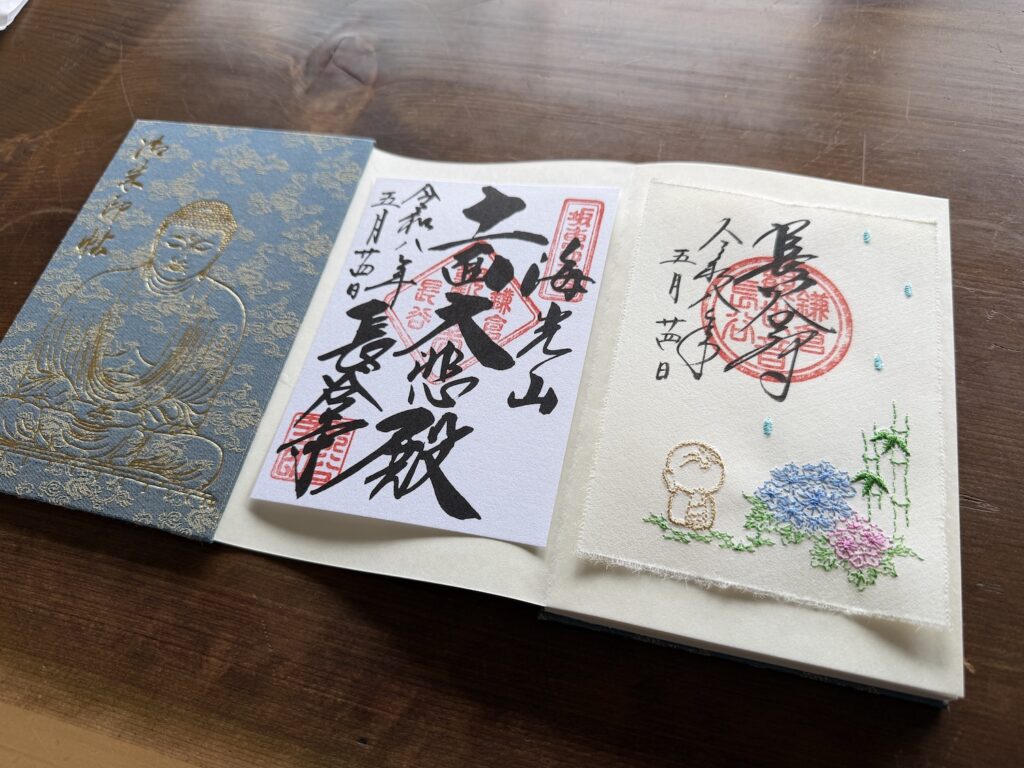
Use a proper goshuincho rather than an ordinary notebook.
Do not mix goshuin with railway stamps, tourist stamps, character stamps or other commemorative stamps in the same book.
Some temples and shrines may decline to write in a book that is also being used as a general stamp collection. Using a dedicated goshuincho avoids confusion and shows respect for the religious meaning of the practice.
Prepare Small Cash
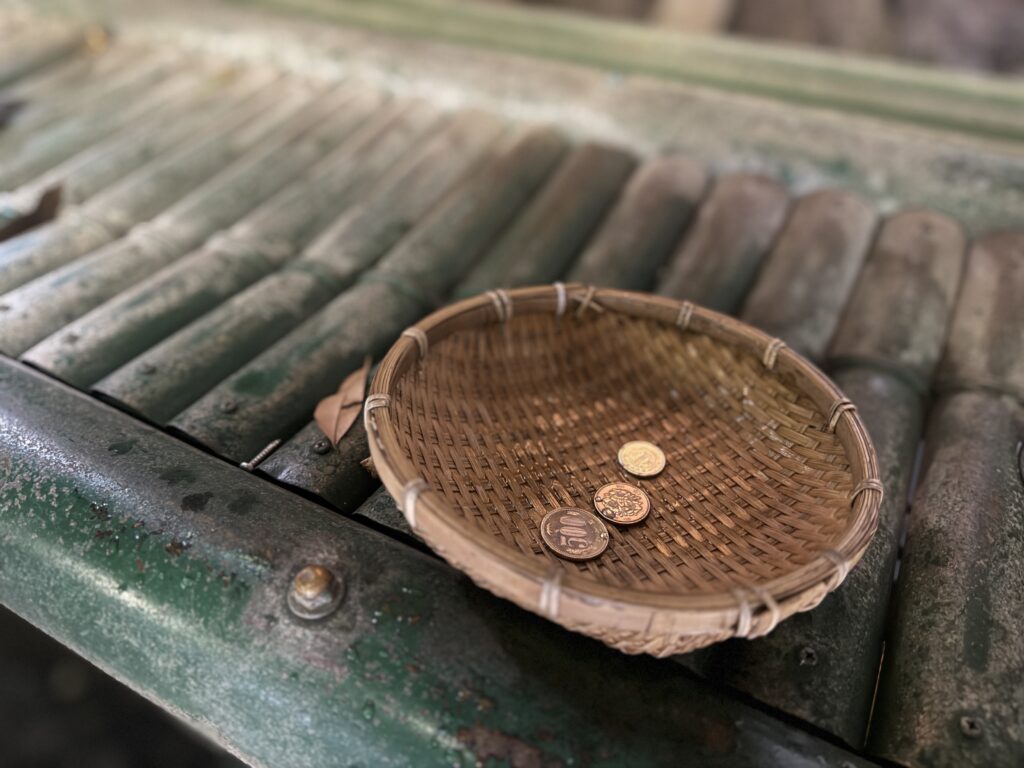
Many goshuin offices accept cash only.
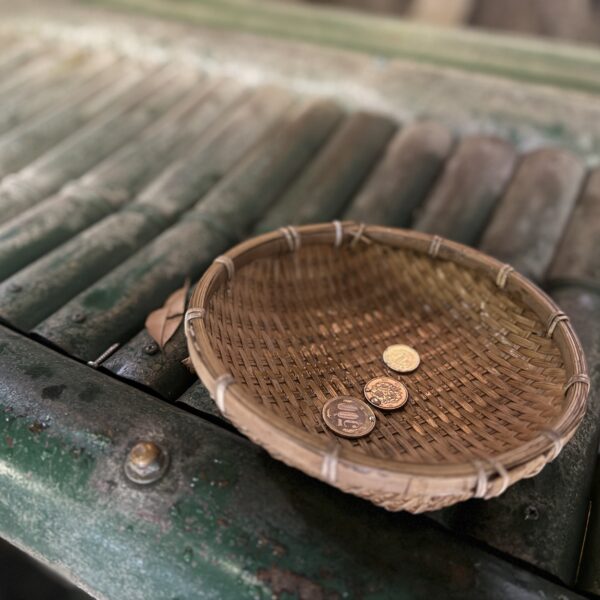
Prepare coins and ¥1,000 notes so that you can pay the requested offering without needing a large amount of change.
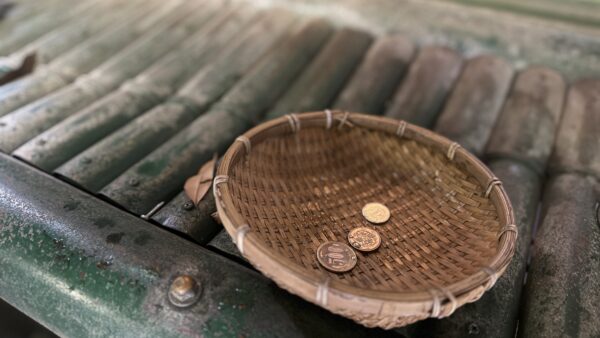
Place the money gently on the tray when one is provided rather than handing it directly to the staff member.
Be Prepared for Paper Goshuin
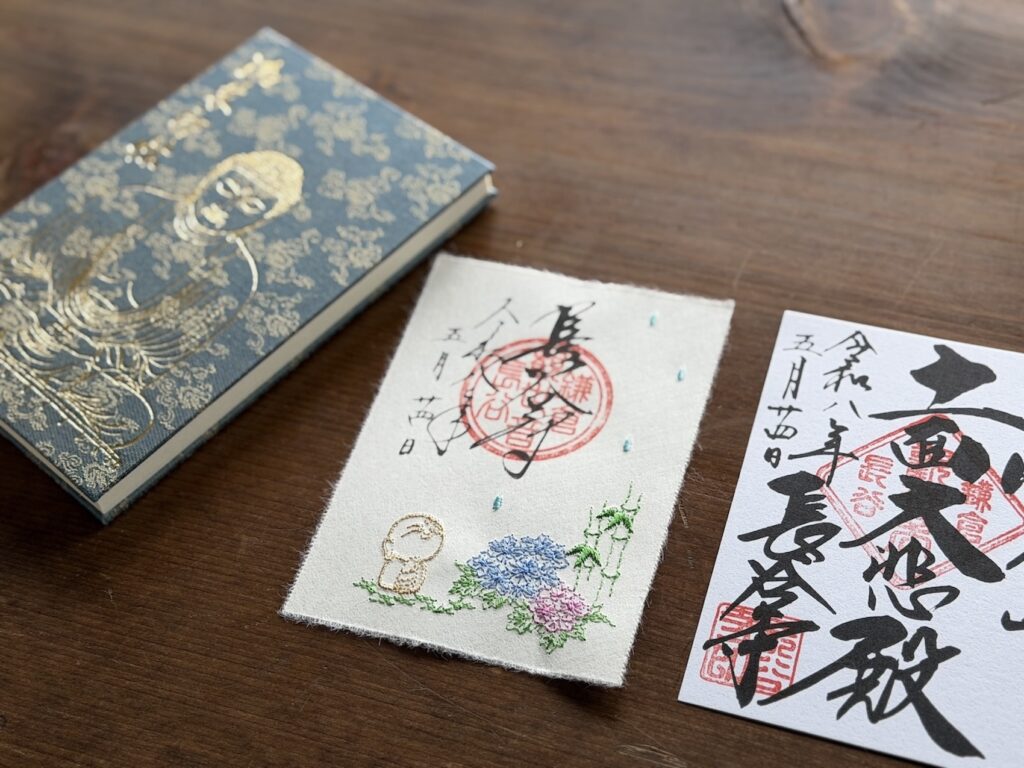
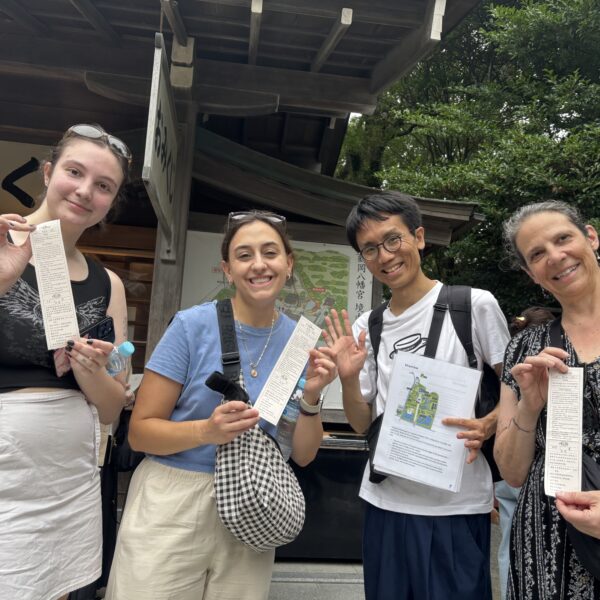
A paper goshuin means that the calligraphy and seals are provided on a separate sheet rather than written directly into your book.
You can paste the sheet into your goshuincho later.
Paper goshuin are common during busy periods, when calligraphers are unavailable or when a location offers a special decorative design. Receiving one is not less meaningful than receiving a directly handwritten version.
Check Reception Times
The opening hours of a temple or shrine and the operating hours of its goshuin office may not be the same.
For example, Kotoku-in lists different hours for handwritten goshuin and prepared paper goshuin.
Arrive with enough time and avoid visiting immediately before the reception desk closes.
Be Patient and Respectful
Calligraphy takes time, especially when several people are waiting.
Avoid rushing the staff, touching the wet ink or opening the book immediately after it is returned. Allow the page to dry before closing your goshuincho.
What to Bring
A Goshuincho
Bring a dedicated goshuin book with unused pages.
Those receiving their first goshuin can usually purchase a book at a major temple or shrine.
Cash
Bring coins and ¥1,000 notes for goshuin offerings, admission fees, public transportation and small purchases.
A Protective Bag or Cover
Carry your goshuincho in a protective cover, cloth pouch or waterproof bag.
This helps protect the paper from rain, moisture, food and other items inside your travel bag.
Costs and Reception Times
A practical budget is approximately ¥300 to ¥700 for each goshuin, although the amount varies by location, format and design.
Special, seasonal or decorative goshuin may cost more. As current official examples, Hase-dera lists an ordinary goshuin at ¥300, while Kotoku-in has different prices for paper, handwritten and seasonal versions.
Admission fees for temple grounds are usually separate from the goshuin offering.
Reception hours and available formats can change because of:
- Weekends and national holidays
- Special ceremonies and religious events
- Seasonal crowds
- Staff availability
- Temporary changes at the temple or shrine
- New Year and Golden Week operations
Check official information shortly before your visit. A local guide can also help confirm current conditions and create a realistic route.
Suggested Goshuin Routes in Kamakura
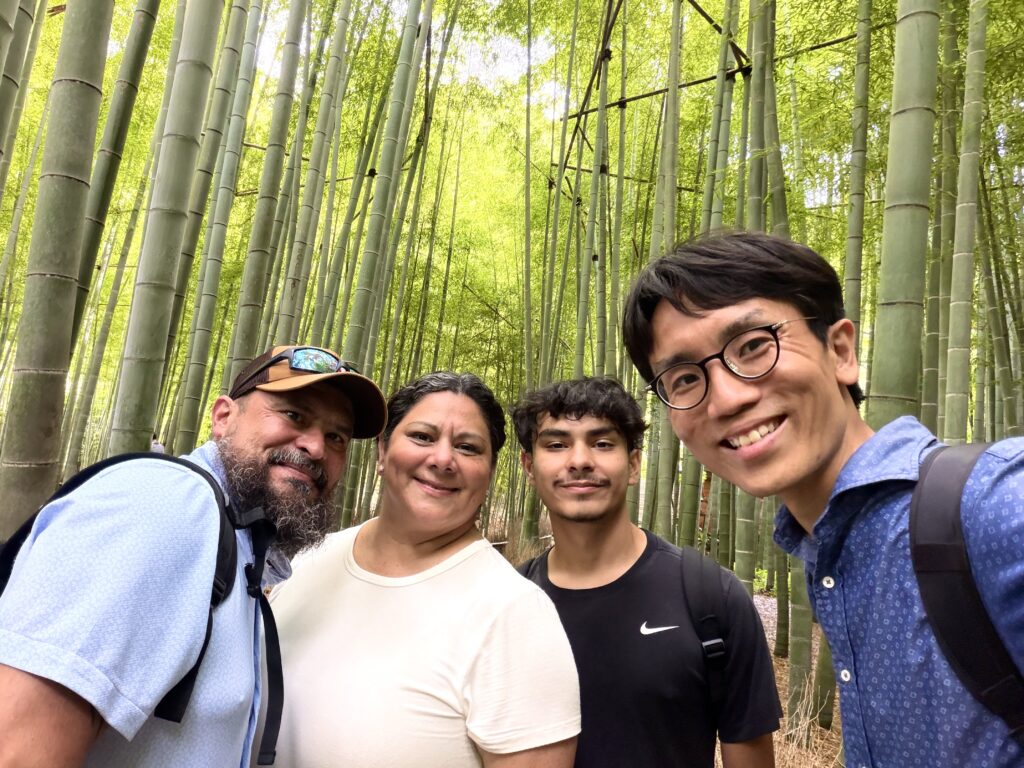
The number of goshuin you can receive depends on walking speed, queues, transportation and how much time you spend exploring each place.
The purpose should not be to collect the highest possible number. A good route leaves time to worship, understand the location and enjoy the surrounding area.
3-Hour Hase Goshuin Route
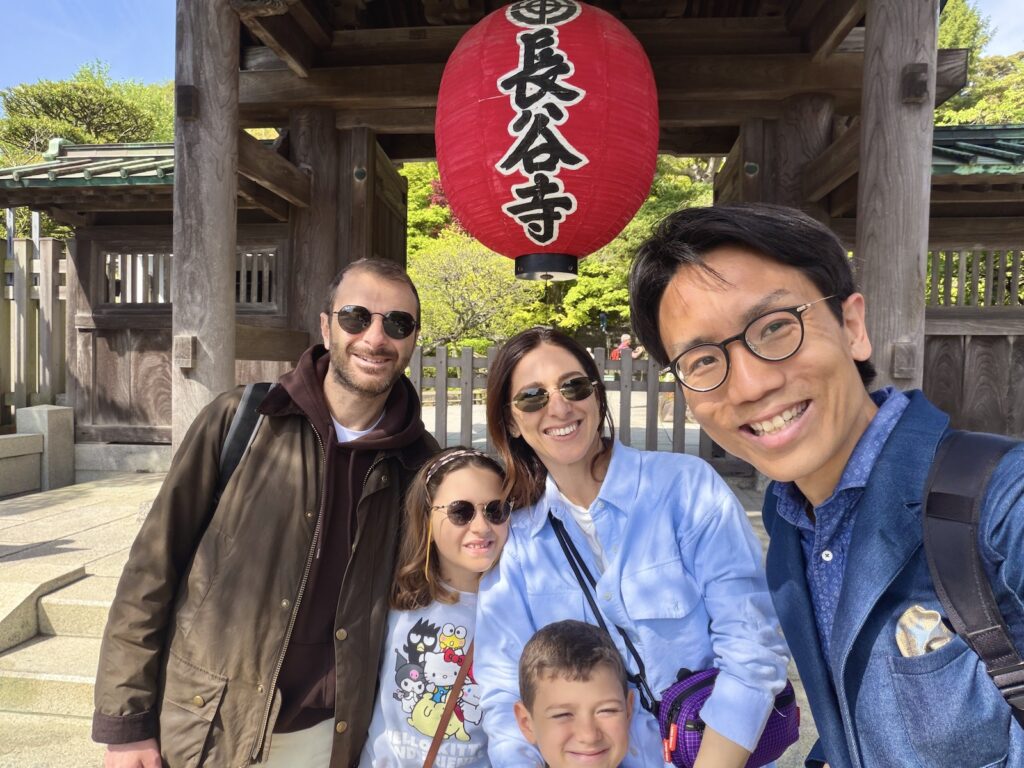
Tsurugaoka Hachimangu Shrine → Hase-dera Temple → Kotoku-in Temple
This route introduces three of Kamakura’s most important religious and historical sites: the city’s principal Shinto shrine, a temple dedicated to Kannon, and the Great Buddha of Kamakura.
Tsurugaoka Hachimangu is located in central Kamakura, while Hase-dera and Kotoku-in are close to each other in the Hase area. The route usually includes a short journey by train, bus, or taxi.
Hase-dera has many steps leading to the main hall and the goshuin office, so the itinerary may need to be adjusted for visitors with knee or mobility concerns.
4-Hour Central Kamakura Goshuin Route
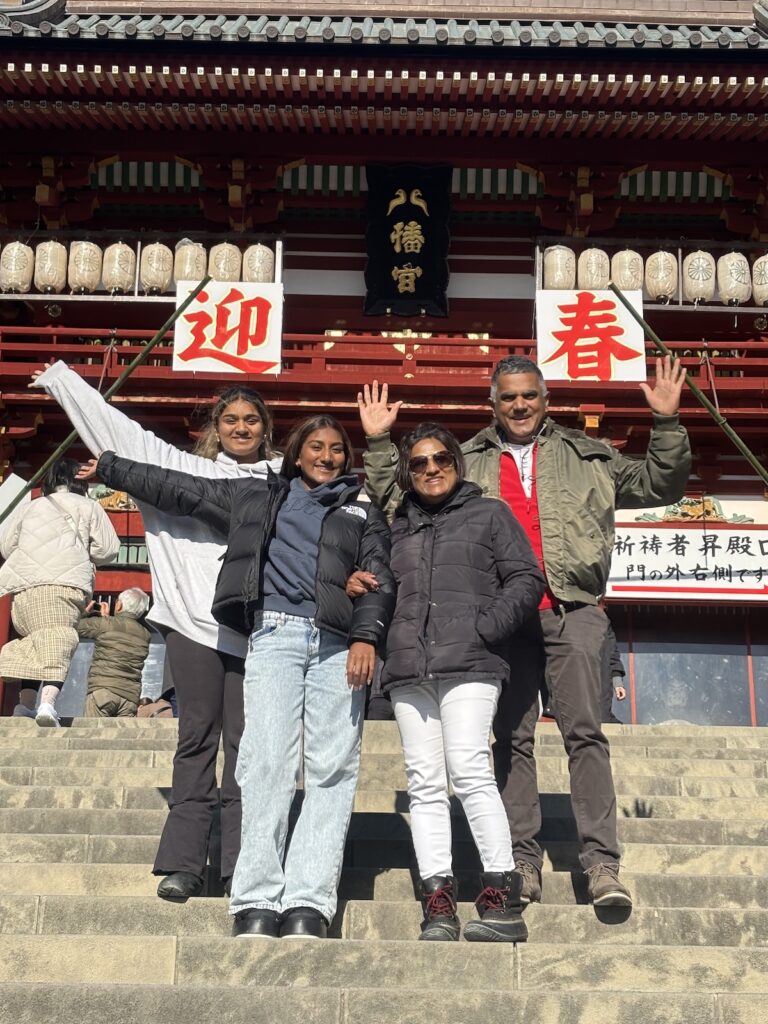
Tsurugaoka Hachimangu Shrine → Hokaiji Temple → Hokoku-ji Temple
This route introduces visitors to Shinto traditions, samurai history, the Hojo family and Zen Buddhism.
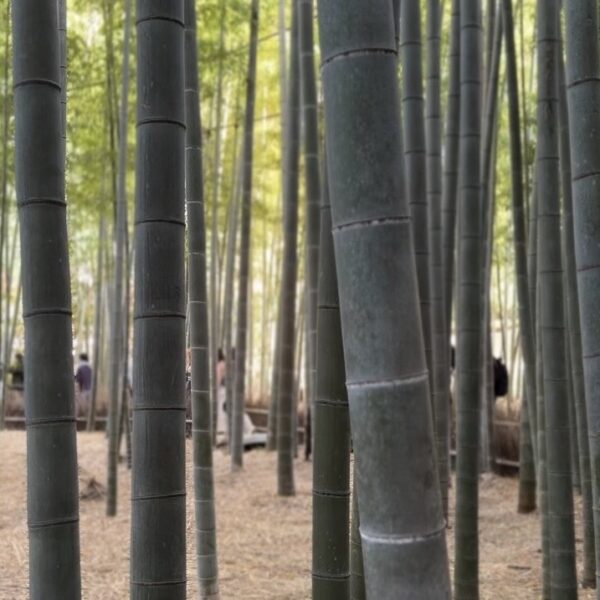
It also provides a strong contrast between Kamakura’s most prominent shrine, a historically significant temple and the peaceful bamboo garden of Hokoku-ji.
Local buses or taxis may be used depending on the weather, traffic and the guests’ preferred pace.
Full-Day Kamakura Goshuin Route
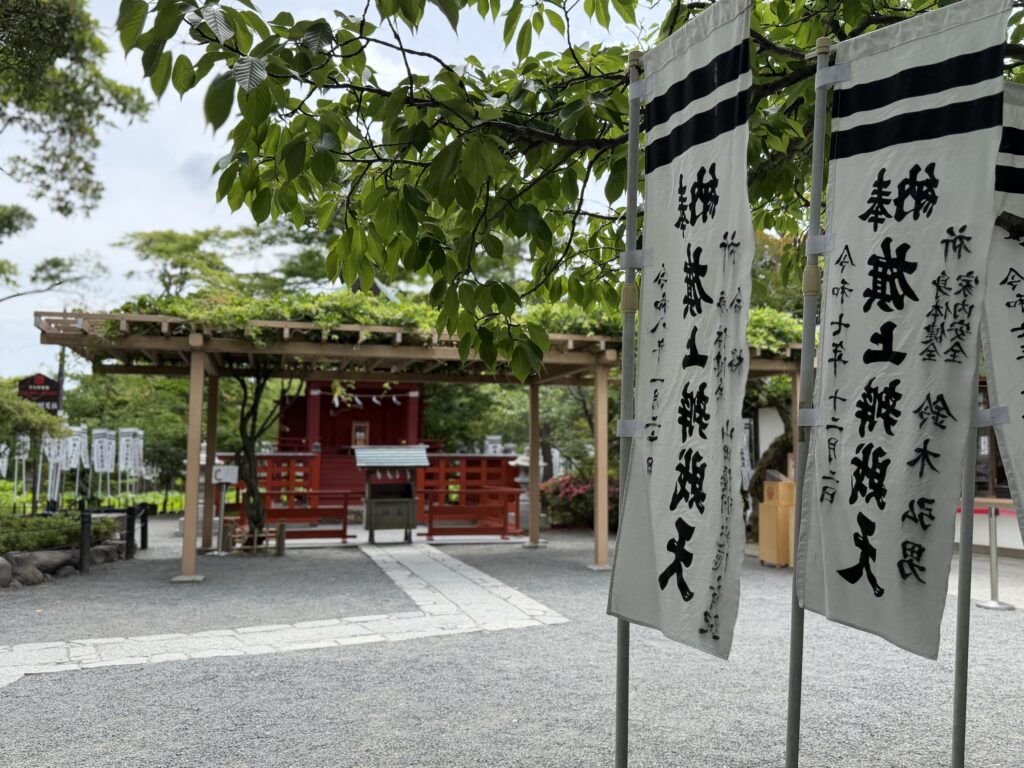
Engaku-ji Temple → Tsurugaoka Hachimangu Shrine → Lunch → Hase-dera Temple → Kotoku-in Temple → Goryo Shrine
A full-day route offers a broader introduction to Zen Buddhism, Shinto, samurai history, Kannon devotion and Pure Land Buddhism.
The itinerary can be shortened or adjusted according to crowds, mobility, seasonal conditions and the particular goshuin the guests would like to receive.
Enoshima may also be added for visitors with a strong interest in Benzaiten, although this requires additional travel time.
Why Take a Guided Goshuin Tour?
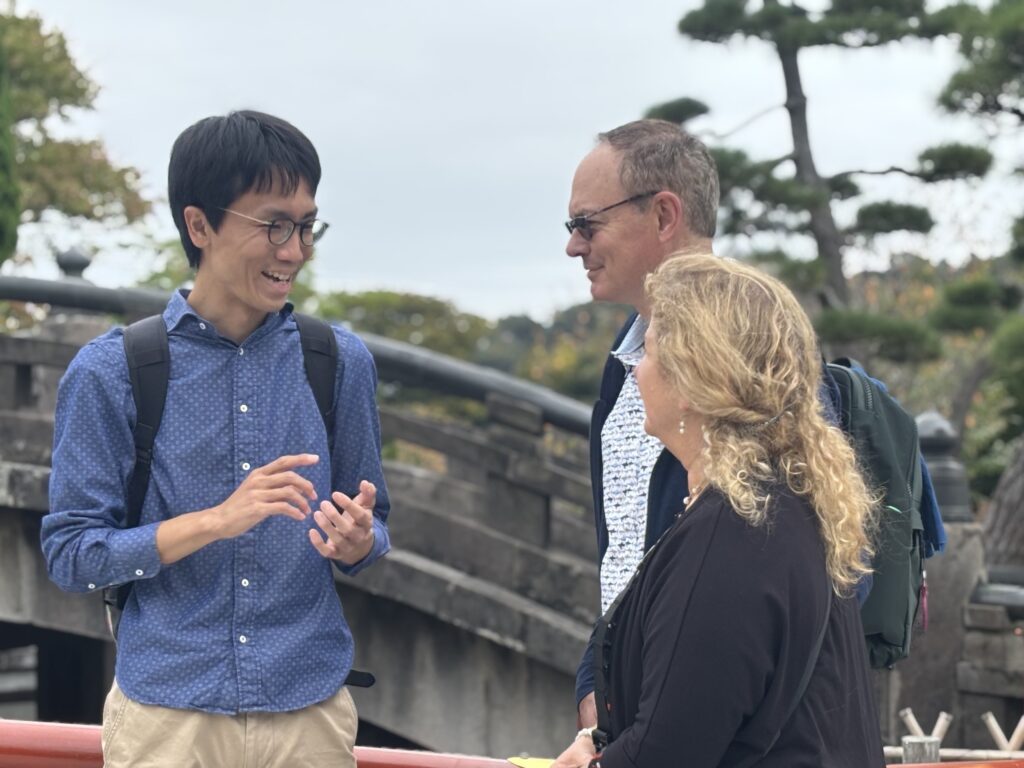
It is possible to collect goshuin independently. However, a guided tour can make the experience easier, deeper and more personal.
A local guide can help you:
- Understand the meaning behind each temple, shrine and goshuin
- Follow the correct etiquette without feeling uncertain
- Check current goshuin availability and reception information
- Create a route based on your interests
- Avoid unnecessary travel and long detours
- Understand the differences between Buddhist temples and Shinto shrines
- Discover quieter places beyond the most famous attractions
- Adjust the route for mobility, weather and seasonal crowds
- Learn about the historical and religious connections between the locations
Collecting a page is only one part of the experience.
Learning why a temple was established, who or what is enshrined there and how the place connects to Kamakura’s history gives each goshuin greater personal meaning.
With a Kamakura-born local guide, your route can be designed around the traditions, calligraphy, deities, historical periods and neighborhoods that interest you most.
Frequently Asked Questions
Can Foreign Visitors Receive Goshuin?
Yes. Goshuin are not limited to Japanese visitors.
International travelers can receive them as long as they visit respectfully and follow the procedures of each temple or shrine.
Do I Need to Speak Japanese?
No. You can receive goshuin without speaking Japanese.
However, signs and explanations may be available only in Japanese at smaller locations. A guide can help with communication and explain the meaning of the writing.
Can I Use the Same Book at Temples and Shrines?
In most cases, one dedicated goshuincho can be used at both Buddhist temples and Shinto shrines.
Some collectors prefer to keep separate books, and individual locations may have their own policies. Do not use the same book for ordinary tourist stamps.
Can I Receive a Goshuin Without Praying?
You should visit the main worship area and pay your respects before requesting a goshuin.
The goshuin is connected to your visit to the sacred place and should not be treated only as a collectible design.
Can Another Person Collect a Goshuin for Me?
Goshuin are generally intended as a record of the individual’s own visit and worship.
Policies vary, but you should not assume that a guide, friend or family member can receive one on your behalf. Ask the temple or shrine when special circumstances apply.
Are All Goshuin Handwritten?
No. Some are written directly into your goshuincho, while others are provided on a separate sheet of paper. In most cases, these paper goshuin have also been handwritten in advance and are not simply printed reproductions.
Both formats are common, and availability may change according to the day, season and level of demand.
Where Can I Buy a Goshuincho in Kamakura?
Many major temples and shrines sell original goshuincho.
Most temples and shrines in Kamakura that offer goshuin also sell goshuincho.
Can I Collect Goshuin on Sundays and Holidays?
Usually, yes. However, weekends and holidays are often busier.
Some locations may shorten their reception hours, limit handwritten service, or offer only paper goshuin during crowded periods. Be sure to check the latest schedule and goshuin reception information for each temple or shrine before your visit.
How Many Goshuin Can I Collect in One Day?
A relaxed three-hour route may allow approximately two or three locations. A half-day tour may include around three or four, while a full-day route may include five or more.
The actual number depends on distance, queues, opening hours and how long you spend at each location.
Quality is more important than quantity. Allow enough time to worship and understand each place.
Book Your Private Goshuin Tour with Kamakura Experience
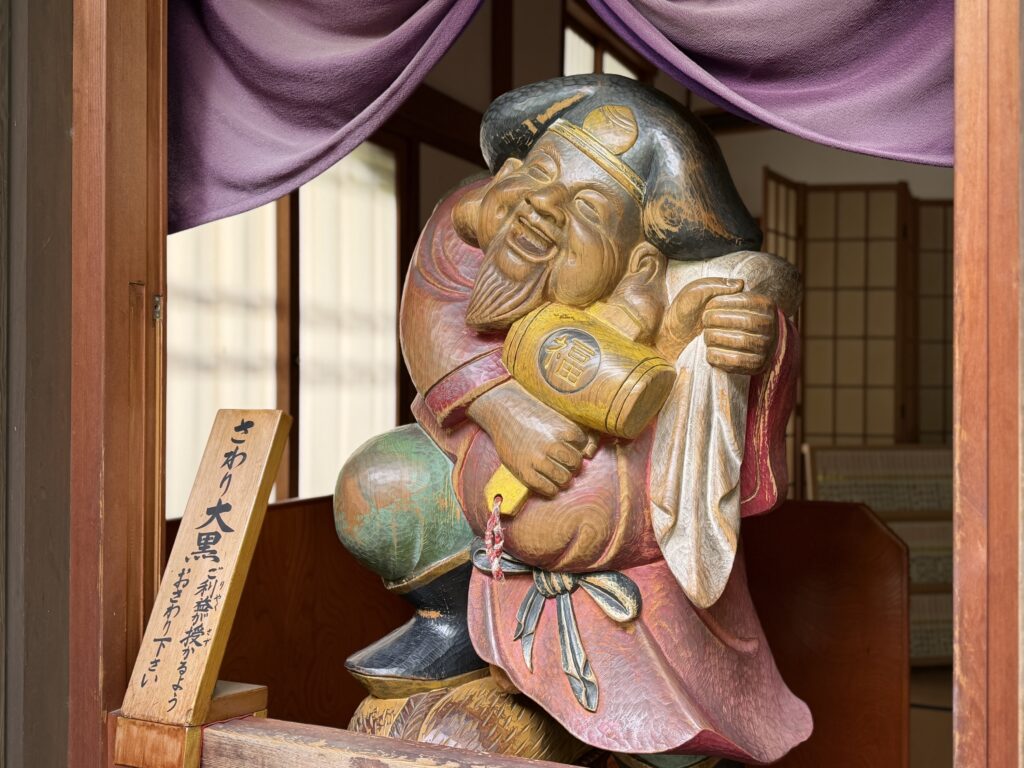
Explore Kamakura’s temples and shrines at a comfortable pace with a Kamakura-born local guide.
Your private itinerary can be customized according to your interests, preferred walking pace, mobility needs and the particular goshuin or religious traditions you would like to discover.
Kamakura Experience offers:
- A four-hour private Kamakura goshuin tour
- A full-day Kamakura and Enoshima goshuin tour
- Customized temple and shrine routes
- Explanations of Buddhist, Shinto and samurai history
- Support with etiquette, transportation and current reception information
Goshuincho, goshuin offerings, temple admission fees, transportation and meals are not included unless specifically stated in your booking.
Add a booking button here linking to the Kamakura Goshuin Tour page.
Author & Local Guide: Takumi Ikeda
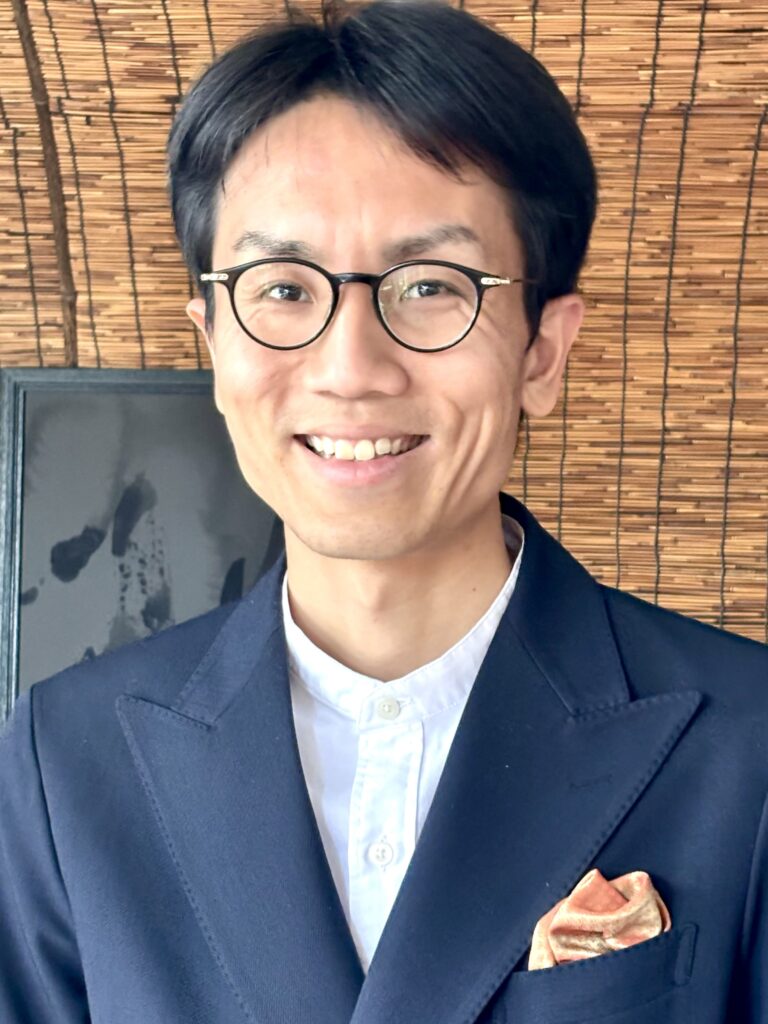
Takumi Ikeda is the Project Lead & Local Guide at Kamakura Experience, born and raised in Kamakura.
With professional hospitality experience aboard an international cruise ship and at Michelin-rated ryokans, he shares stories, insights, and practical tips shaped by his deep roots in the city.
Discover more on Instagram: https://www.instagram.com/kamakura_experience