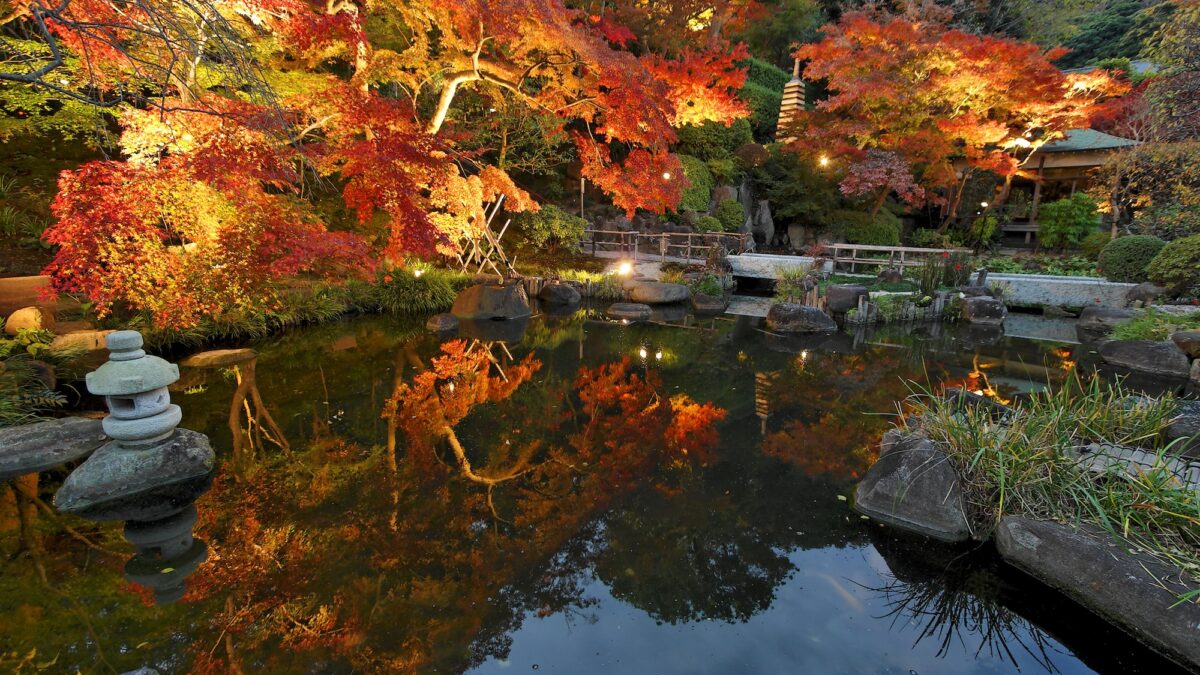
December is a fascinating time to visit Kamakura.
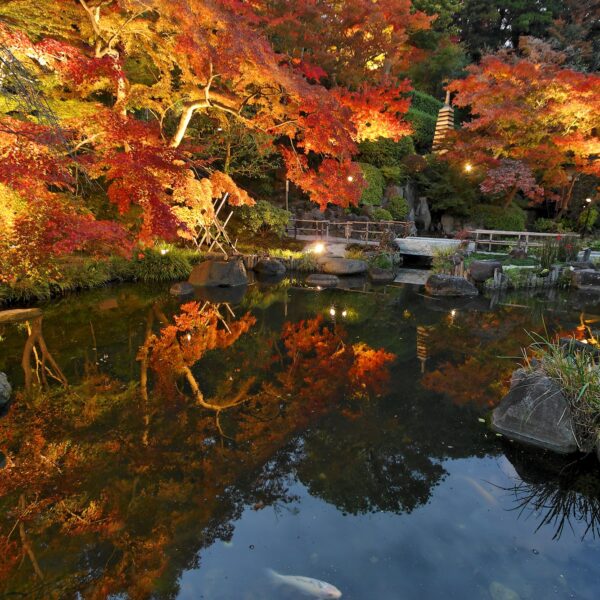
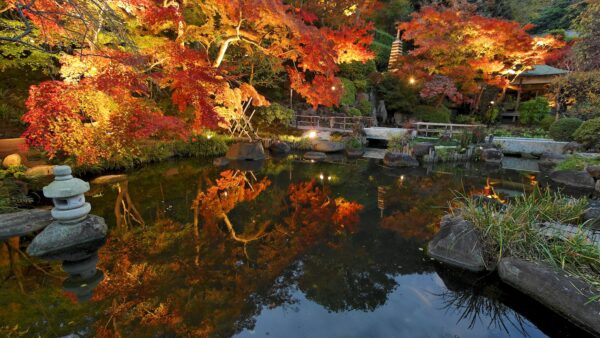
While many parts of Japan have already passed their peak autumn colors, Kamakura’s autumn leaves arrive relatively late. In early December, you can still enjoy beautiful red and golden leaves at temples and gardens across the city.
As the month continues, the atmosphere gradually changes from autumn to winter. Traditional year-end rituals begin at temples and shrines, winter flowers appear in quiet gardens, and clear days offer some of the best views of Mt. Fuji.
Taki, a Kamakura-born private guide from Kamakura Experience, will introduce you to some of the best things to see and experience in his hometown this December.
Contents
December in Kamakura
December in Kamakura is a season of transition.
At the beginning of the month, autumn colors are often still at their best. Kamakura generally reaches its peak later than many other autumn destinations in Japan, with the citywide season usually extending from late November into early December. Some quieter temples can remain colorful even later in the month.
At the same time, December brings traditions connected with preparing for the New Year.
Temples and shrines hold ceremonies to reflect on the past year, purify sacred spaces, and welcome the coming year with a fresh mind.
For travelers interested in Japanese culture, this makes December much more than simply a quieter winter month.
Traditional Festivals, Special Openings & Cultural Events in December 2026
Until December 6: Hasedera Autumn Night Special Viewing
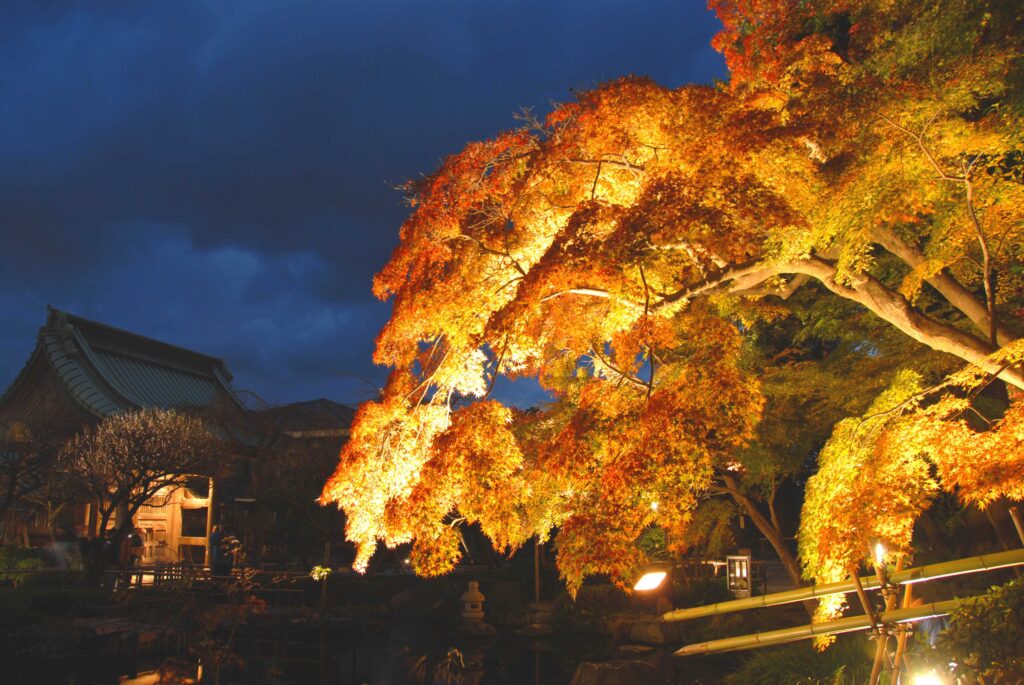
Hasedera Temple is one of Kamakura’s most popular places to enjoy autumn leaves.
During its special evening opening, the temple grounds are illuminated after sunset, creating a very different atmosphere from a daytime visit.
Maple trees, ponds, Buddhist halls, and garden paths gradually change as daylight fades and the illumination becomes more visible.
I especially recommend arriving before sunset so you can enjoy both the natural autumn colors and the illuminated evening scenery.
Dates: November 21–December 6, 2026
Hours: From sunset / gate closes at 7:00 PM / temple grounds close at 7:30 PM
Location: Hasedera Temple
Access: Approximately 5 minutes on foot from Hase Station on the Enoden Line.
Map: Google Maps – Hasedera Temple
Official Information: Hasedera Autumn Night Special Viewing
The event is scheduled to take place in rain but may be cancelled in severe weather. The illumination period may also be extended depending on the autumn leaves.
Until December 6: ZEN NIGHT KAMAKURA at Kenchoji Temple
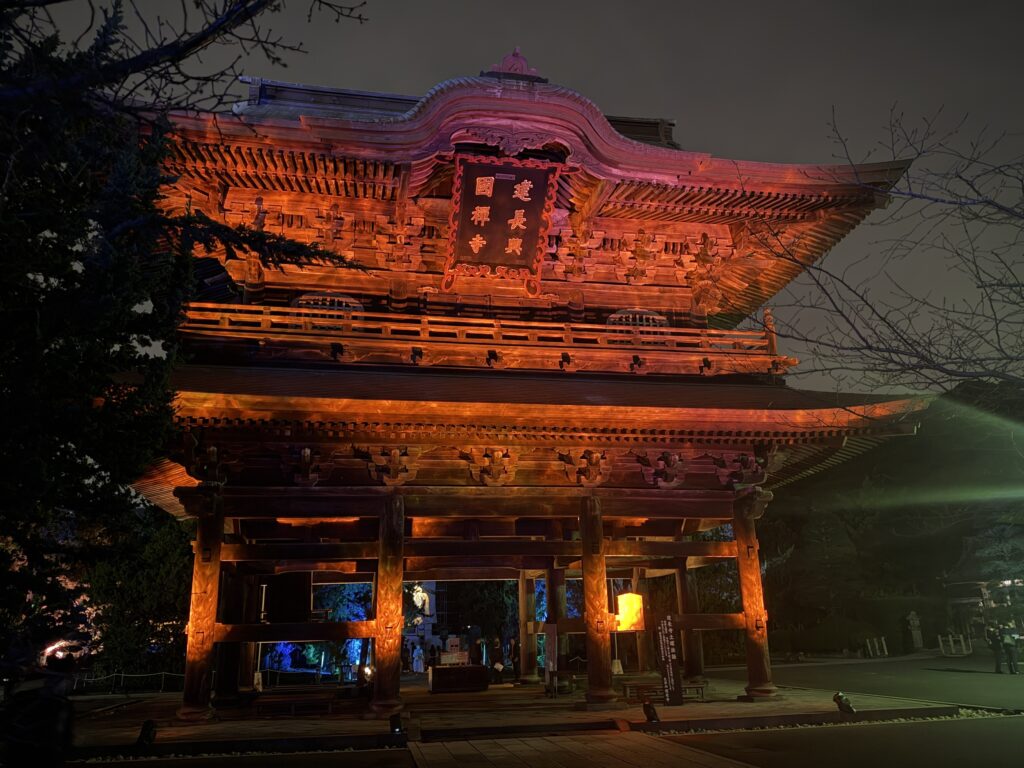
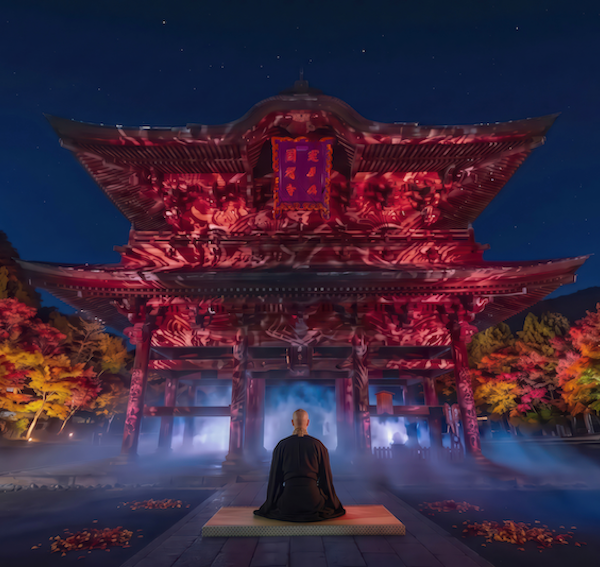
ZEN NIGHT KAMAKURA offers an unusual opportunity to experience Kenchoji Temple after dark.
The event combines the historic atmosphere of Kamakura’s oldest Zen training monastery with lighting, sound, art, and contemporary approaches to meditation.
Visitors can walk through illuminated temple grounds and gardens, while some special programs include meditation experiences using technology to visualize brain activity.
Dates: October 29–December 6, 2026
Hours: 5:00–8:00 PM (last admission 7:30 PM)
Location: Kenchoji Temple
Access: Approximately 15 minutes on foot from JR Kita-Kamakura Station.
Map: Google Maps – Kenchoji Temple
Official Information: ZEN NIGHT KAMAKURA 2026
Some special experiences, including brainwave meditation, require advance reservations.
December 5, 6, 12 & 13: Rare Special Opening at Sugimotodera Temple
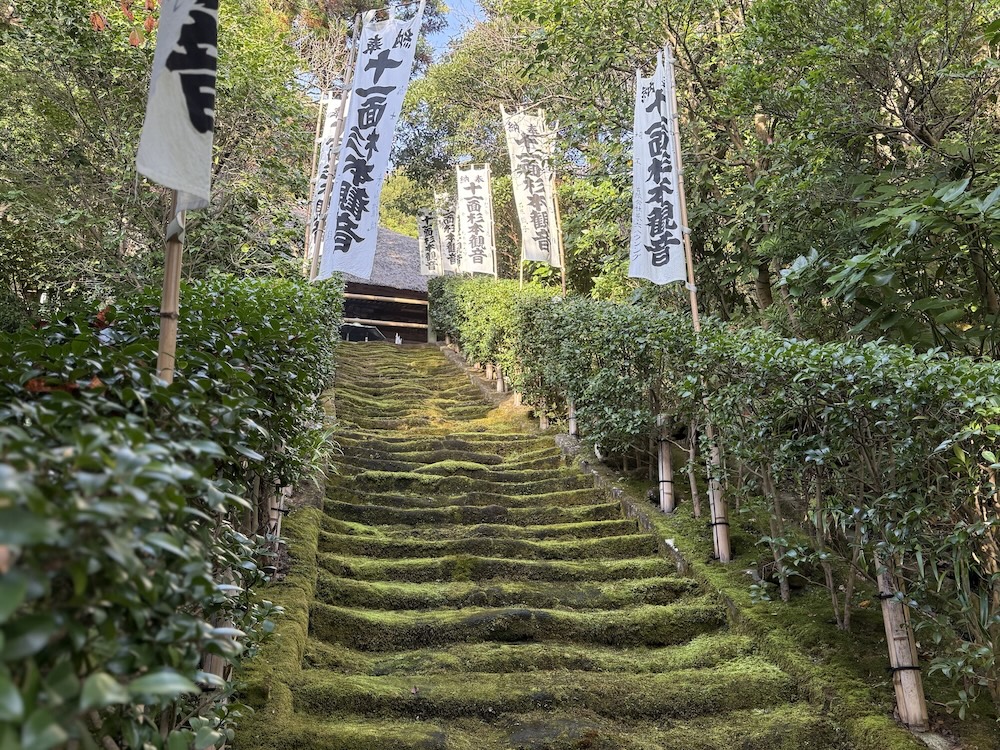
This is one of the most special opportunities in Kamakura in 2026.
Sugimotodera, considered Kamakura’s oldest temple, is holding a special opening connected with the Year of the Horse and renovation work at its main hall.
Visitors can closely view three hidden Eleven-Headed Kannon statues, including a nationally designated Important Cultural Property.
The temple also offers an explanation by the head priest and a short prayer during the special viewing.
Because these statues are normally not available to view this closely, the temple describes this as an opportunity that may occur only once in several decades.
Dates: December 5, 6, 12 & 13, 2026
Reception: 9:00 AM–12:00 PM / 1:00–3:30 PM
Location: Sugimotodera Temple
Access: Take a bus from Kamakura Station East Exit to Sugimoto Kannon, then walk approximately 1 minute.
Map: Google Maps – Sugimotodera Temple
Official Information: Sugimotodera Special Opening Information
Photography is not permitted inside the main hall.
For travelers interested in Buddhism, historic sculpture, or Kamakura’s early religious history, this is one of my strongest recommendations this December.
Until December 7: Chojuji Temple Special Autumn Opening
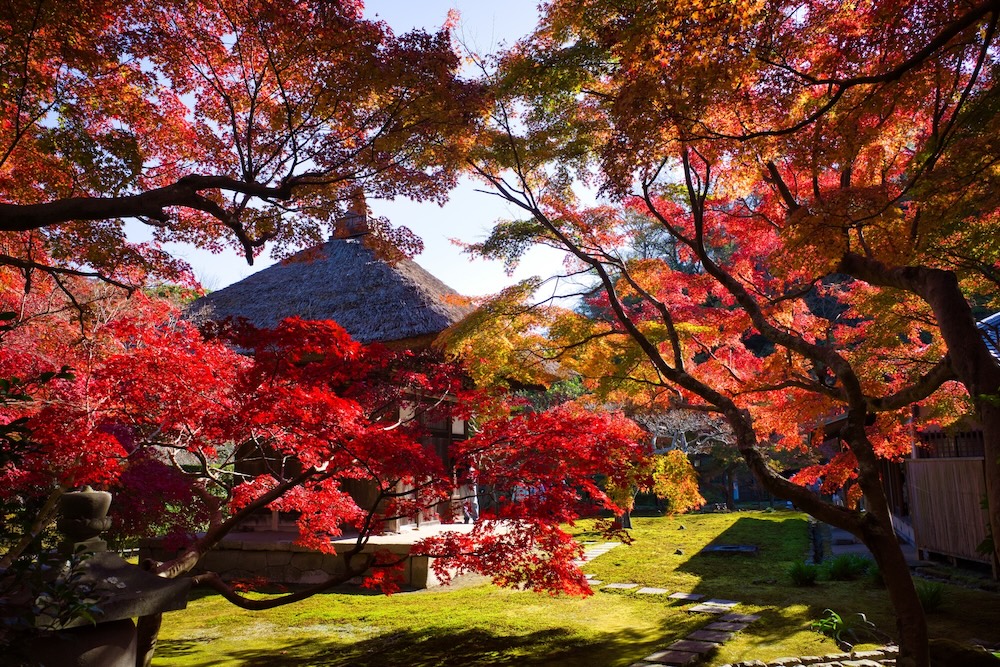
Chojuji is normally open to visitors only during limited periods of the year.
From November 23 through December 7, the temple is scheduled to open every day, weather permitting.
Its quiet garden, traditional architecture, and autumn leaves create a peaceful contrast to some of Kamakura’s busier sightseeing areas.
Chojuji also has a strong connection with Ashikaga Takauji, one of the most important samurai figures of the 14th century.
Dates: November 23–December 7, 2026
Hours: 10:00 AM–3:00 PM
Location: Chojuji Temple
Access: Approximately 15 minutes on foot from JR Kita-Kamakura Station.
Map: Google Maps – Chojuji Temple
Official Information: Chojuji Special Autumn Opening Information
Please note that the temple closes in rainy weather.
December 8: Jodo-e — Bodhi Day
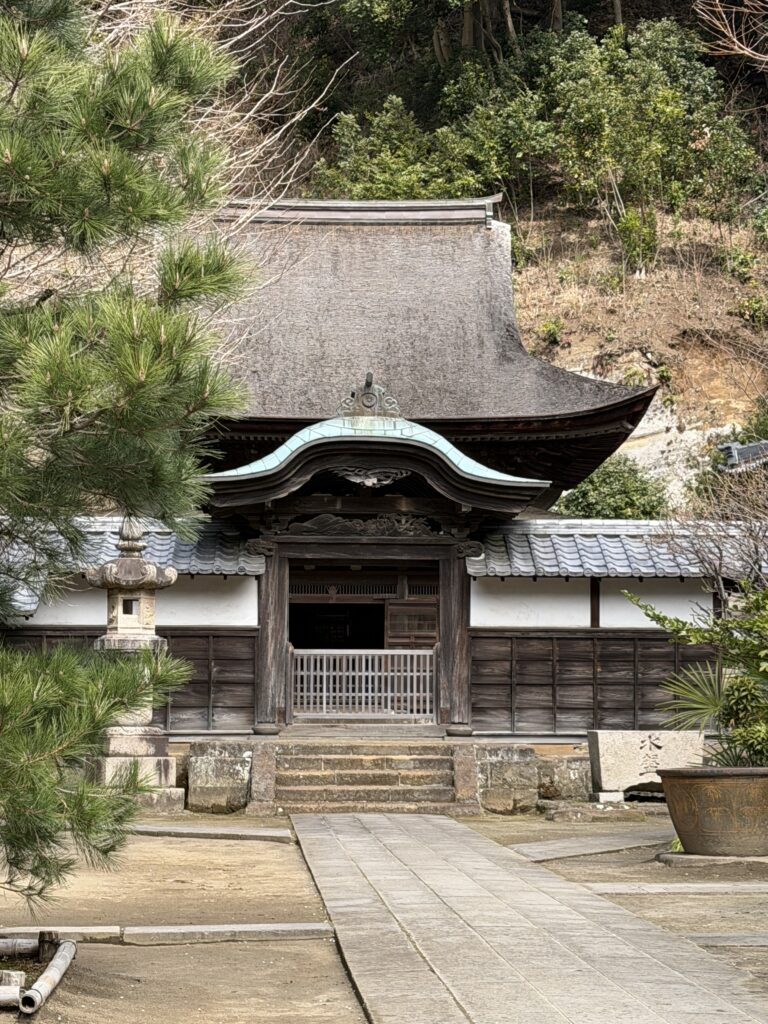
December 8 is an important date in Japanese Buddhism.
Known as Jodo-e, or Bodhi Day, it commemorates the day when Shakyamuni Buddha is traditionally believed to have attained enlightenment.
Several temples in Kamakura observe the occasion.
At Engakuji, the ceremony takes place in the Butsuden Hall, where an image of Shakyamuni descending from the mountains after attaining enlightenment is displayed.
Date: December 8
Location: Engakuji Temple
Access: Approximately 1 minute on foot from JR Kita-Kamakura Station.
Map: Google Maps – Engakuji Temple
Official Information: Engakuji Jodo-e Information
Engakuji’s annual event information lists the ceremony on December 8; visitor access for 2026 should be reconfirmed before attending.
Komyoji also holds its Jodo-e ceremony at 2:00 PM.
Map: Google Maps – Komyoji Temple
Official Information: Komyoji Annual Events
For visitors interested in Buddhism, December 8 offers an opportunity to understand the religious meaning behind temple traditions rather than simply viewing the architecture.
Until December 10: Kakuonji Special Autumn Viewing & Illumination
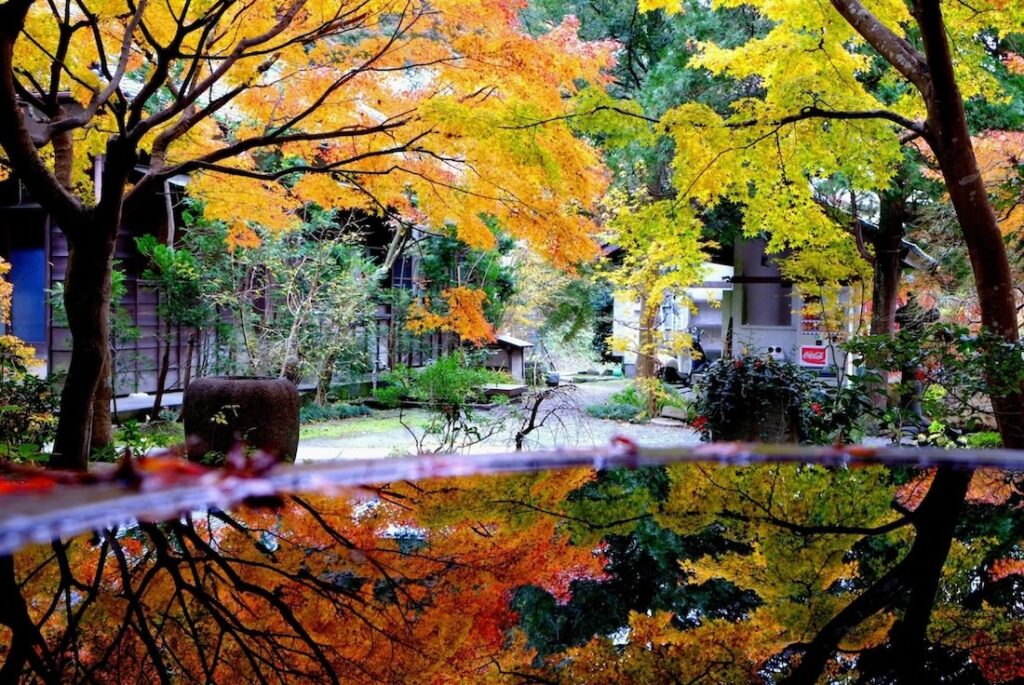
Kakuonji is located in a quiet wooded valley in eastern Kamakura.
Its autumn colors arrive particularly late, making it one of the best places to enjoy autumn leaves in December.
During the special autumn viewing period, visiting hours are extended into the evening and the autumn leaves are illuminated after sunset.
Dates: November 25–December 10, 2026
Hours: 9:00 AM–7:00 PM (last admission 6:40 PM)
Location: Kakuonji Temple
Access: Take a bus from Kamakura Station East Exit to Daitonomiya, then walk approximately 10 minutes.
Map: Google Maps – Kakuonji Temple
Event Information: Kakuonji Autumn Special Viewing – Kamakura City Tourist Association
The temple asks visitors to follow its usual photography restrictions during the special viewing.
December 11 & 19: Hokokuji Temple Special Night Viewing
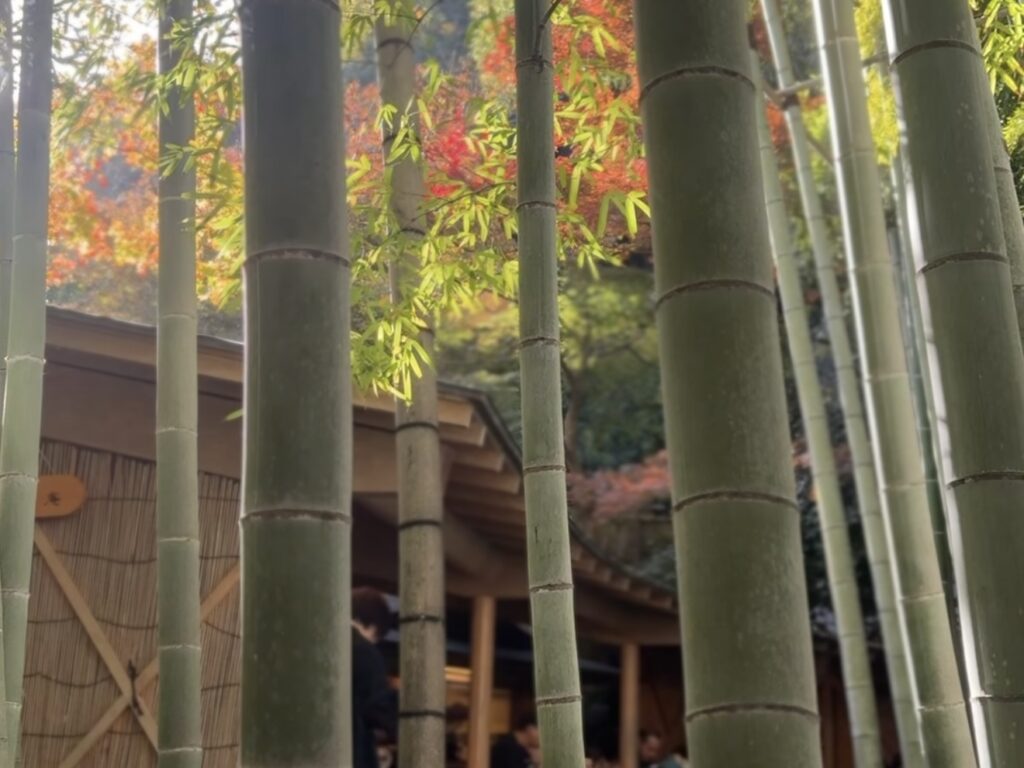
Hokokuji is famous for its bamboo garden, but in late 2026 it introduced a new special evening viewing program.
The temple grounds are illuminated after the usual daytime visiting hours, allowing a limited number of guests to experience Hokokuji in a quieter atmosphere.
The experience also includes matcha, and a seasonal limited-edition goshuin is available.
Dates: December 11 & 19, 2026
Hours: 6:00–8:00 PM
Location: Hokokuji Temple
Price: ¥3,500 per person, including matcha
Age: Junior high school students and older
Map: Google Maps – Hokokuji Temple
Official Information: Hokokuji Special Night Viewing Information
Tickets are limited and may sell out.
Until December 13: Ichijo Ekan Sanso Autumn Garden
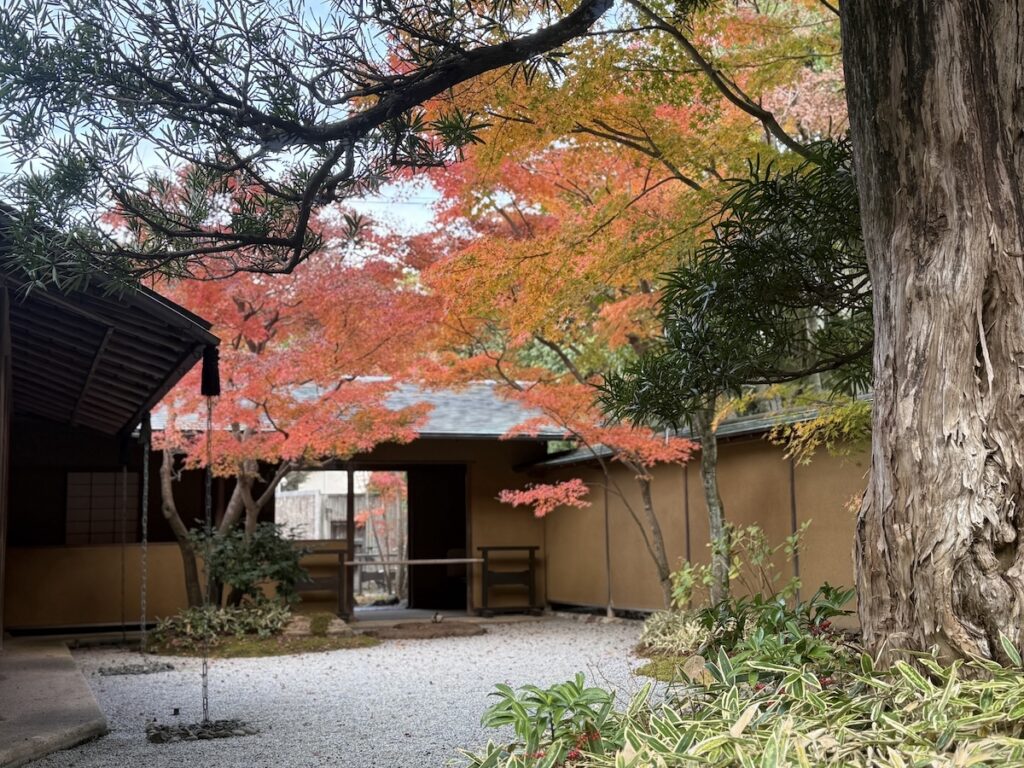
Ichijo Ekan Sanso offers a very different atmosphere from Kamakura’s temples and shrines.
The historic residence, moss, maple trees, and nearby river create an elegant Japanese garden landscape.
During the autumn season, the garden remains open through December 13 without its usual closing days.
Dates: Through December 13, 2026
Hours: Generally 10:00 AM–4:00 PM (last admission 3:30 PM)
Location: Ichijo Ekan Sanso
Access: Take a bus from Kamakura Station East Exit to Jomyoji, then walk approximately 2 minutes.
Map: Google Maps – Ichijo Ekan Sanso
Official Information: Ichijo Ekan Sanso Autumn Opening Information
Interior visits to the historic residence are available only on selected dates and require reservations.
December 13: Susuharai at Tsurugaoka Hachimangu
December 13 traditionally marks the beginning of preparations for the New Year in Japan.
At Tsurugaoka Hachimangu, this is associated with Susuharai, a traditional year-end purification and cleaning ritual.
Shrine priests and miko use long bamboo poles with leaves attached to the ends to clean the shrine buildings and grounds.
The bamboo poles can reach approximately five meters in length.
However, Susuharai is more than simply a large-scale cleaning.
Traditionally, it represents removing the dust, impurities, and misfortune of the old year before welcoming the New Year.
It is connected with the old custom of Shogatsu Kotohajime, the day when preparations for the New Year traditionally begin.
Date: December 13
Location: Tsurugaoka Hachimangu Shrine
Access: Approximately 10–15 minutes on foot from Kamakura Station East Exit.
Map: Google Maps – Tsurugaoka Hachimangu
Event Information: December Kamakura Calendar – Susuharai
The 2026 detailed schedule has not yet been individually announced on Tsurugaoka Hachimangu’s official website, so I recommend checking the latest information before visiting.
December 16: Onchinza Kinen-sai at Tsurugaoka Hachimangu
On December 16, Tsurugaoka Hachimangu holds its Onchinza Kinen-sai, a festival commemorating the shrine’s establishment at its present location.
After the shrine ceremony begins at 5:00 PM, traditional music and dance are performed near the Maiden ceremonial stage.
One of the highlights is Miyabito-kyoku, a piece connected with the shrine’s early history, together with the traditional dance Nincho-no-mai.
The tradition reaches back more than 800 years to the time of Minamoto no Yoritomo, founder of the Kamakura shogunate.
Date: December 16, 2026
Ceremony: From 5:00 PM
Location: Tsurugaoka Hachimangu Shrine
Access: Approximately 10–15 minutes on foot from Kamakura Station East Exit.
Map: Google Maps – Tsurugaoka Hachimangu
Official Information: Tsurugaoka Hachimangu Festival Information
The evening performance by firelight evokes the atmosphere of medieval Kamakura.
Until December 18: Hasedera Year of the Horse Special Opening
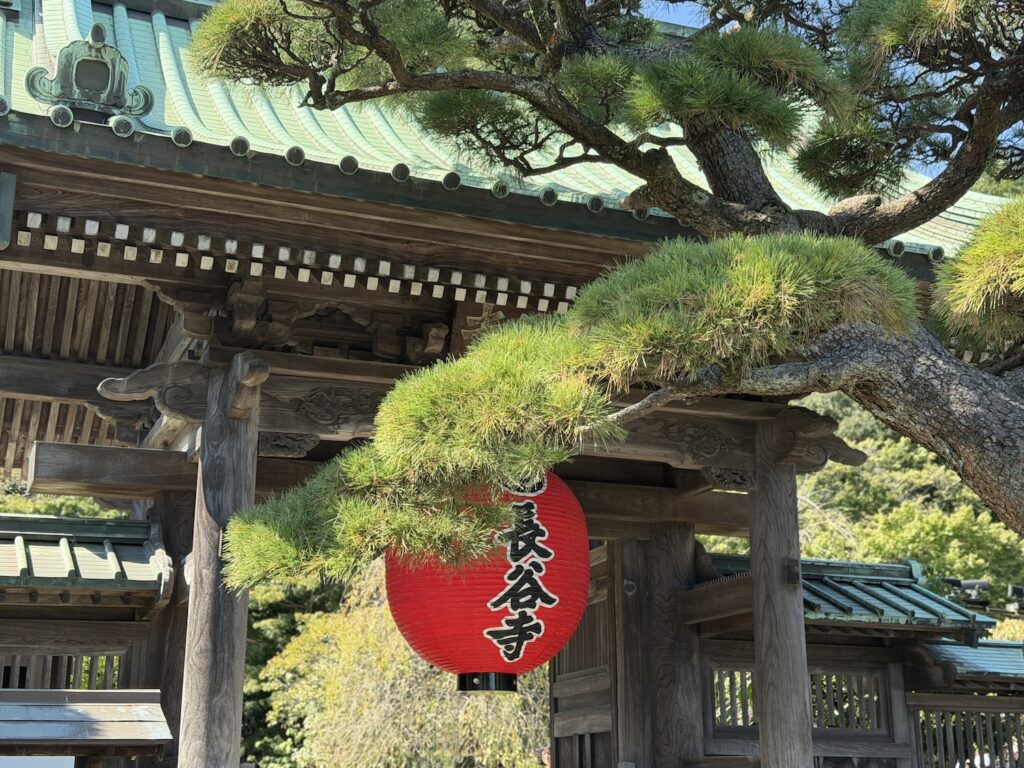
2026 is the Year of the Horse, an important year for the Bando 33 Kannon pilgrimage.
Hasedera is offering a special full-body viewing of its principal Eleven-Headed Kannon statue.
Normally, parts of the large statue—especially its feet—are hidden behind Buddhist ritual furnishings.
During this special opening, visitors can see the statue more completely.
Second Opening Period: November 18–December 18, 2026
Location: Hasedera Temple
Access: Approximately 5 minutes on foot from Hase Station.
Map: Google Maps – Hasedera Temple
Official Information: Hasedera Year of the Horse Special Opening
This special opportunity is connected with the Year of the Horse and is offered only once every twelve years.
December 18: Kannon Omiashi-mairi & Toshi-no-Ichi at Hasedera
December 18 is one of Hasedera’s most important year-end days.
During Kannon Omiashi-mairi, visitors are allowed to enter the inner area of the Kannon Hall and directly touch the feet of the temple’s principal Kannon statue.
This opportunity is offered only once a year.
At the same time, Toshi-no-Ichi, a traditional year-end market, is held along the approach to the temple.
Stalls sell food and lucky New Year items such as daruma dolls and kumade decorative rakes.
A Fukujuso market is also held within the temple grounds.
Date: December 18, 2026
Location: Hasedera Temple
Access: Approximately 5 minutes on foot from Hase Station.
Map: Google Maps – Hasedera Temple
Official Information: Hasedera Annual Events – Omiashi-mairi & Toshi-no-Ichi
For visitors interested in experiencing Japanese New Year traditions before January actually begins, this is one of my favorite December events.
Best Places for Autumn Leaves in December
If you are visiting Kamakura in early December, do not assume that autumn is already over.
Kamakura’s autumn colors usually peak later than in many other parts of Japan.
1. Kakuonji Temple — One of Kamakura’s Later Autumn Spots
Kakuonji is one of my top choices for December.
Its wooded valley location means that the leaves often change relatively late.
Best time: Early–mid December
Location: Kakuonji Temple
Map: Google Maps – Kakuonji Temple
Autumn Information: Kakuonji Autumn Special Viewing
2. Hasedera Temple — Autumn Colors & Evening Illumination
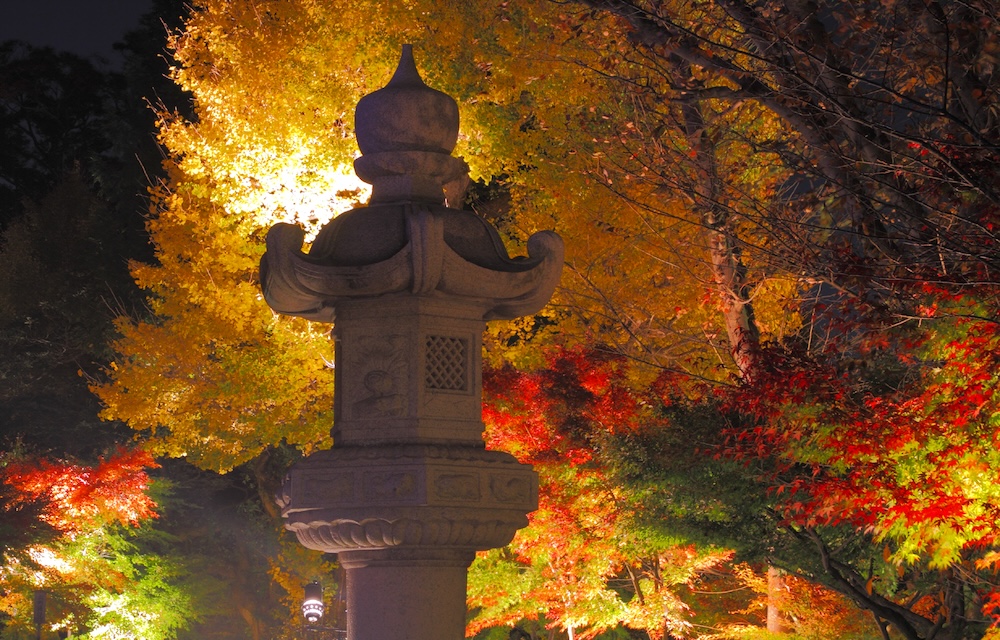
Hasedera combines beautiful autumn leaves with one of Kamakura’s most popular evening illuminations.
Best time: Late November–early December
Illumination: Until December 6, 2026
Map: Google Maps – Hasedera Temple
Official Information: Hasedera Autumn Night Special Viewing
3. Chojuji Temple — A Seasonal Garden Opening
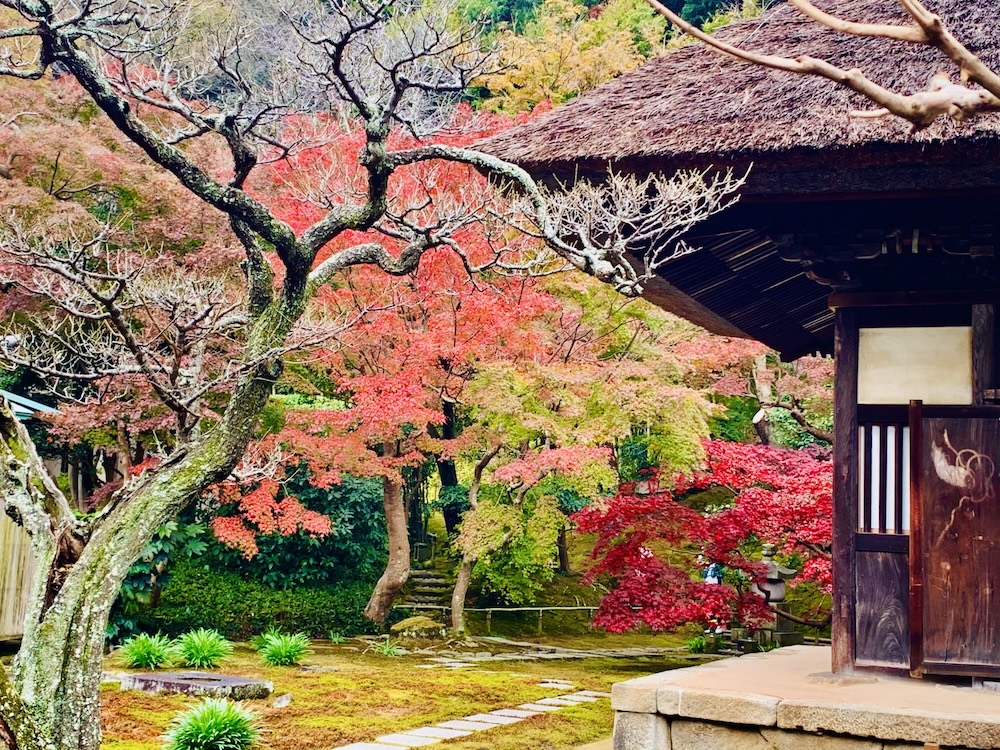
Chojuji’s garden is especially beautiful when the maple leaves turn red and orange.
Special Opening: Until December 7, 2026
Map: Google Maps – Chojuji Temple
Official Information: Chojuji Special Opening Information
4. Kenchoji Temple — Zen, Autumn Leaves & Mountain Paths
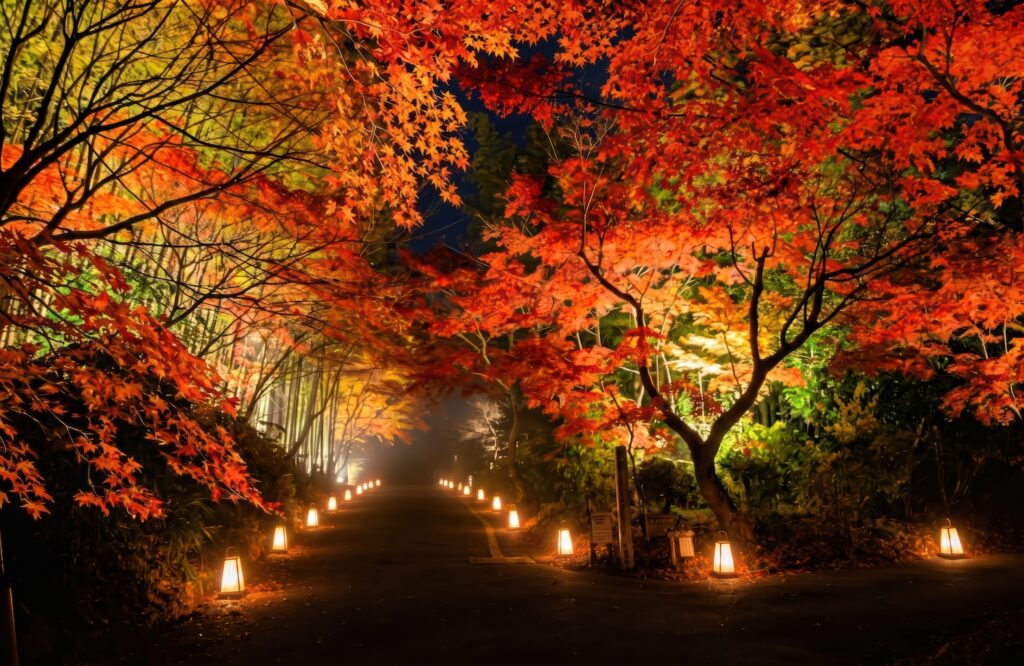
Kenchoji offers a combination of large historic temple buildings and natural scenery.
The path toward Hansobo Shrine is particularly enjoyable in autumn.
Location: Kenchoji Temple
Map: Google Maps – Kenchoji Temple
Temple Information: Kenchoji – VISIT KAMAKURA
5. Ichijo Ekan Sanso — Traditional Architecture & Autumn Garden
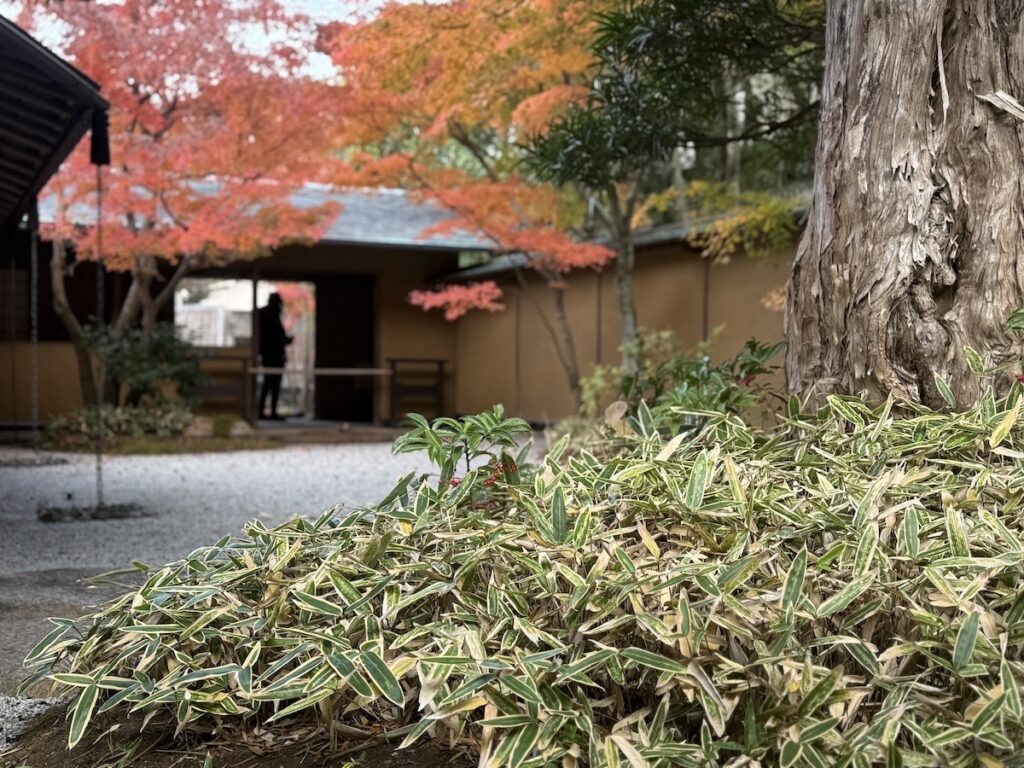
The historic residence, moss, maple trees, and nearby river create an elegant Japanese garden landscape.
Autumn Opening: Through December 13, 2026
Map: Google Maps – Ichijo Ekan Sanso
Official Information: Ichijo Ekan Sanso Official Website
6. Zuisenji Temple — Some of Kamakura’s Latest Autumn Colors
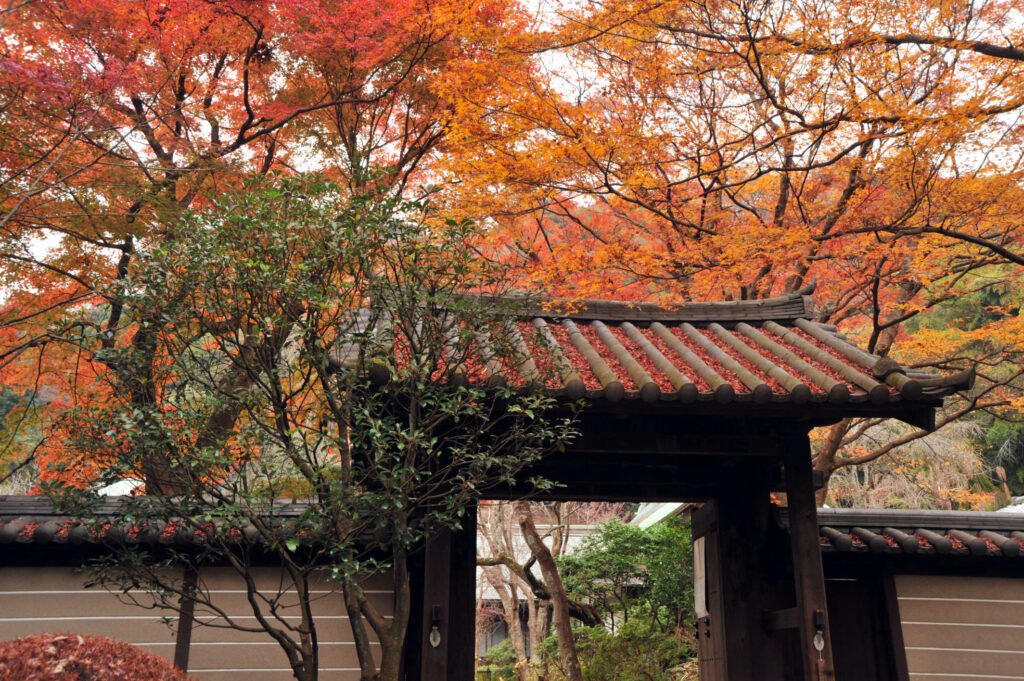
Zuisenji is one of the best places for visitors arriving later in December.
Surrounded by wooded hills, the temple is known for relatively late autumn colors.
It is also famous for its unusual rock garden carved directly into the hillside.
Best time: December, depending on the weather
Location: Zuisenji Temple
Access: Take a bus from Kamakura Station East Exit to Daitonomiya, then walk approximately 10–15 minutes.
Map: Google Maps – Zuisenji Temple
Temple & Seasonal Information: Zuisenji – VISIT KAMAKURA
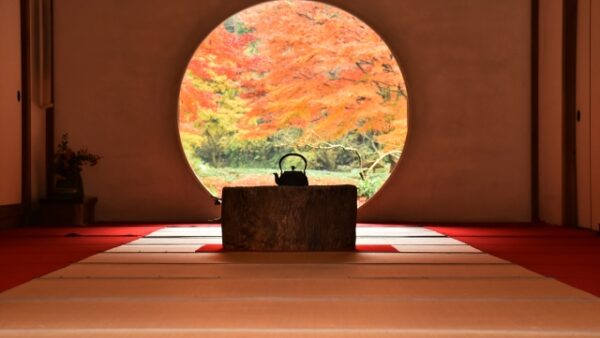
7. Meigetsuin Temple — A Quiet Autumn Garden Framed by the Round Window
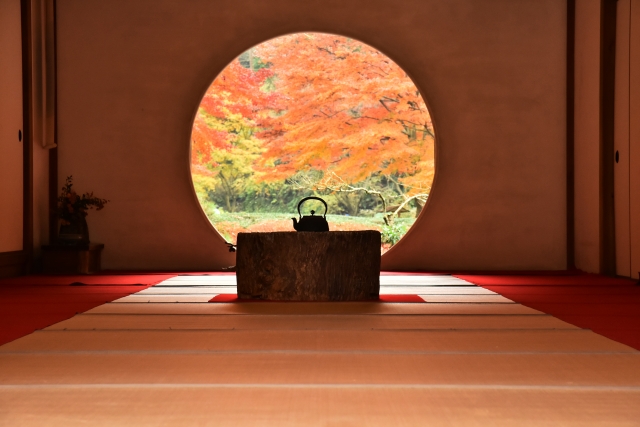
Meigetsuin is best known as Kamakura’s “Hydrangea Temple,” but it is also one of the most beautiful places to enjoy autumn leaves.
During the autumn leaves season, the rear garden behind the main hall is specially opened to visitors. This garden is usually closed and is only opened during the iris season in June and the autumn leaves season, making a visit in late autumn especially rewarding.
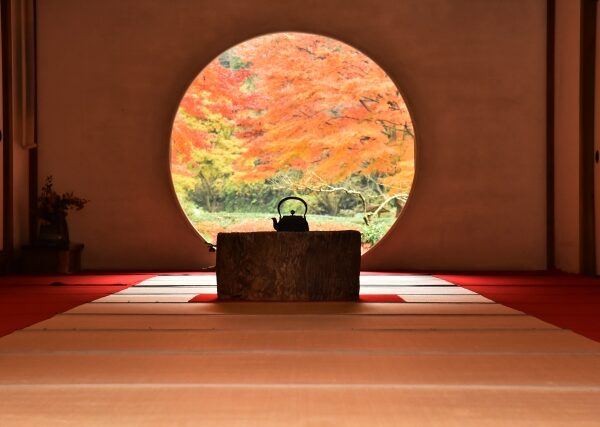
One of the highlights is the famous round window, which frames the seasonal scenery like a painting. In the autumn, the combination of red and yellow leaves seen through the window creates one of Kamakura’s most iconic seasonal views.
Compared with some larger temples, Meigetsuin also feels more intimate and peaceful, which makes it a lovely choice for visitors who would like to enjoy autumn colors in a quieter atmosphere.
Best time: Late November to early December
Location: Meigetsuin Temple
Access: Approximately 10 minutes on foot from JR Kita-Kamakura Station.
Map: Google Maps – Meigetsuin Temple
Official Information / Visitor Information: Meigetsuin – Kamakura City Tourist Association
8. Tsurugaoka Hachimangu — Autumn Colors in the Heart of Kamakura
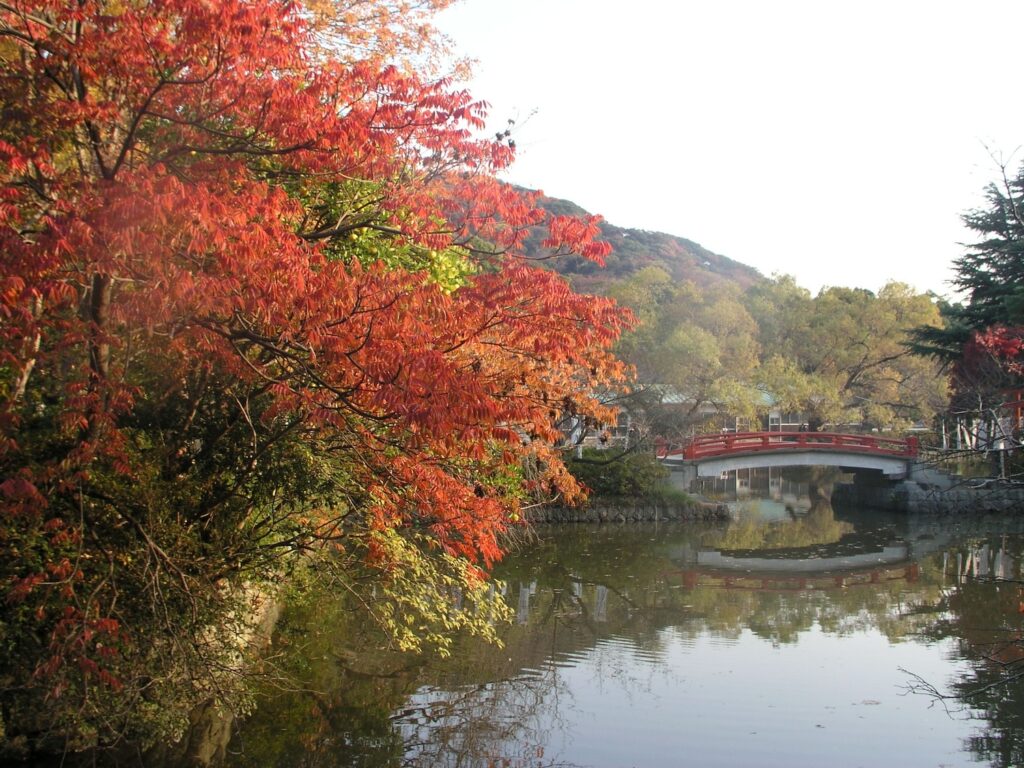
Tsurugaoka Hachimangu is Kamakura’s most important shrine and one of the city’s symbolic landmarks.
In autumn, the shrine grounds become especially beautiful as the leaves begin to change color. The areas around Genpei Pond and along parts of the shrine grounds are particularly pleasant for a seasonal walk, offering a different atmosphere from the busy shopping streets nearby.
Because of its central location, Tsurugaoka Hachimangu is also one of the easiest places to include in a Kamakura itinerary. It works especially well when combined with Komachi Street, nearby cafés, or other historic sites in central Kamakura.
For visitors who would like to enjoy autumn scenery without leaving the city center, this is an excellent and convenient stop.
Best time: Late November to early December
Location: Tsurugaoka Hachimangu Shrine
Access: Approximately 10 minutes on foot from JR Kamakura Station East Exit.
Map: Google Maps – Tsurugaoka Hachimangu
Official Information: Tsurugaoka Hachimangu – A Tour of the Shrine Grounds
Additional Visitor Information: Tsurugaoka Hachimangu – Kamakura City Tourist Association
9. Engakuji Temple — One of Kamakura’s Classic Autumn Leaf Spots
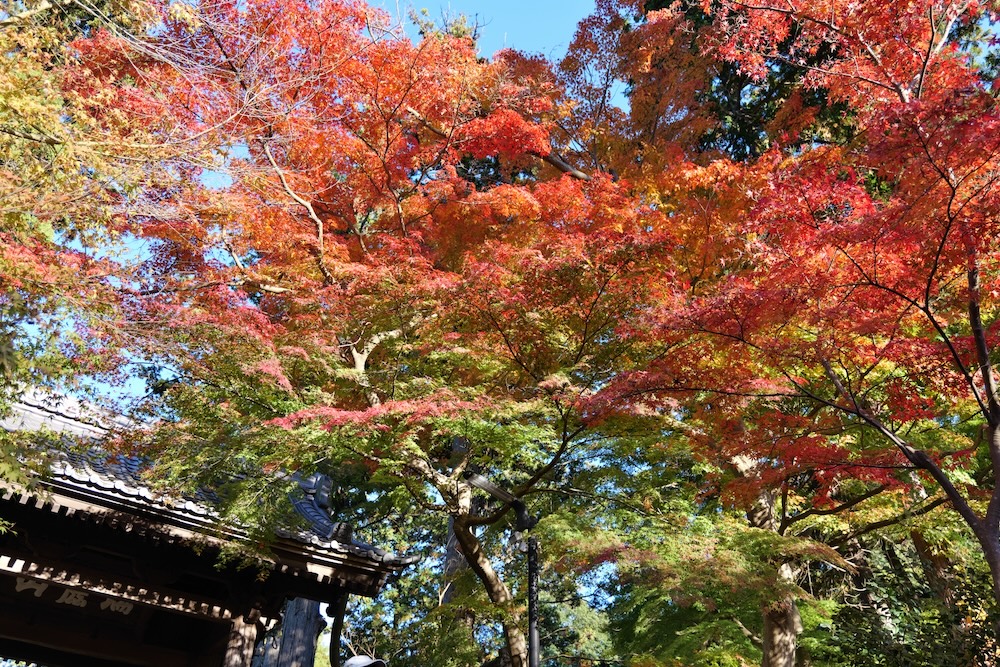
Engakuji is one of Kamakura’s most important Zen temples and one of the best-known places for autumn leaves in the Kita-Kamakura area.
The temple grounds extend through a quiet valley, and the approach from the main gate through the larger temple buildings creates a beautiful seasonal walk. In autumn, maples across the grounds turn red and orange, giving the temple a calm but dramatic atmosphere.
Because Engakuji is only about a one-minute walk from JR Kita-Kamakura Station, it is also one of the most convenient autumn leaf spots in Kamakura. It pairs especially well with nearby temples such as Meigetsuin and Jochiji for a relaxed half-day walk in the Kita-Kamakura area.
Engakuji’s own visitor information notes November as the typical season for autumn leaves, and its general access information confirms that the temple is right next to Kita-Kamakura Station. For many visitors, it remains one of the essential autumn destinations in Kamakura.【turn514898view2†L59-L66】【turn514898view3†L110-L123】
Best time: November to early December
Location: Engakuji Temple
Access: Approximately 1 minute on foot from JR Kita-Kamakura Station.
Map: Google Maps – Engakuji Temple
Official Information: Engakuji Temple Official Website
Official Visitor Information: Engakuji Q&A
Seasonal Flowers & Winter Nature
December is quieter than spring or early autumn, but Kamakura’s temple gardens still offer seasonal color.
Sasanqua Camellias
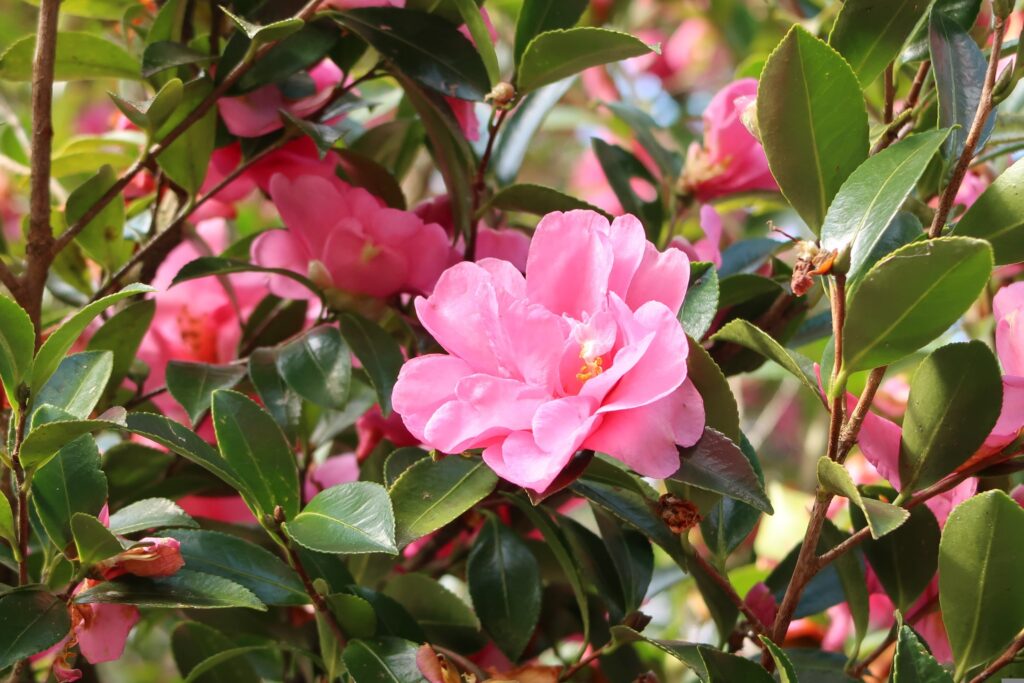
Sasanqua flowers begin blooming in autumn and continue into winter.
Hasedera’s November flower updates already show sasanqua blooming as the season changes from autumn to winter.
Map: Google Maps – Hasedera Temple
Latest Flower Information: Hasedera Flower Report
Camellias
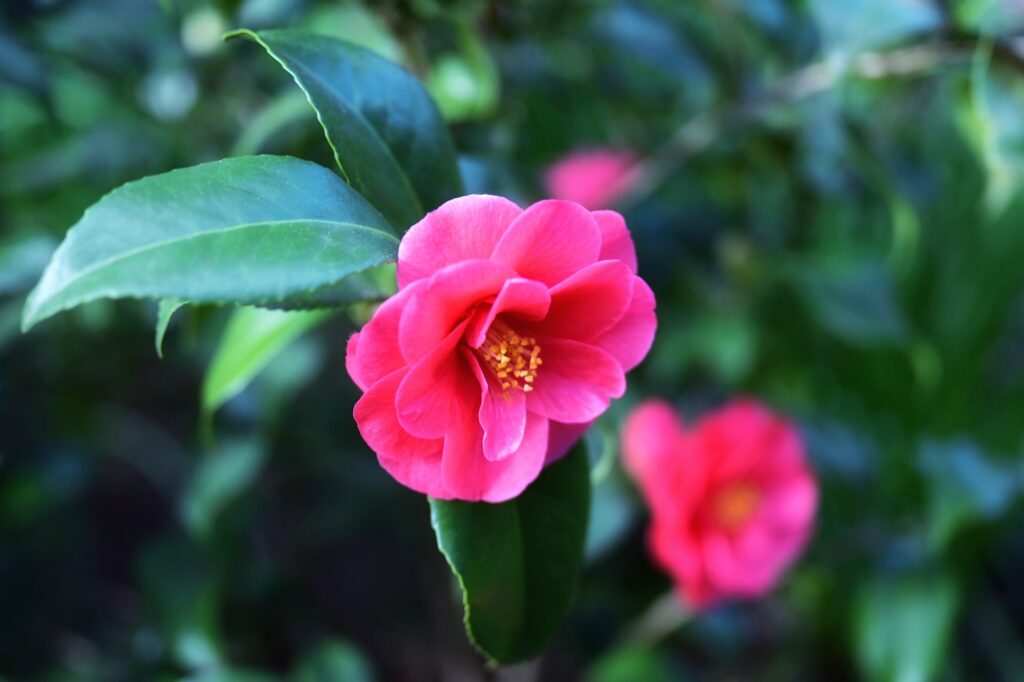
Camellias are another classic winter flower in Kamakura.
They can be found at several temples during the colder months.
Seasonal Information: Hasedera Flower Report
Narcissus
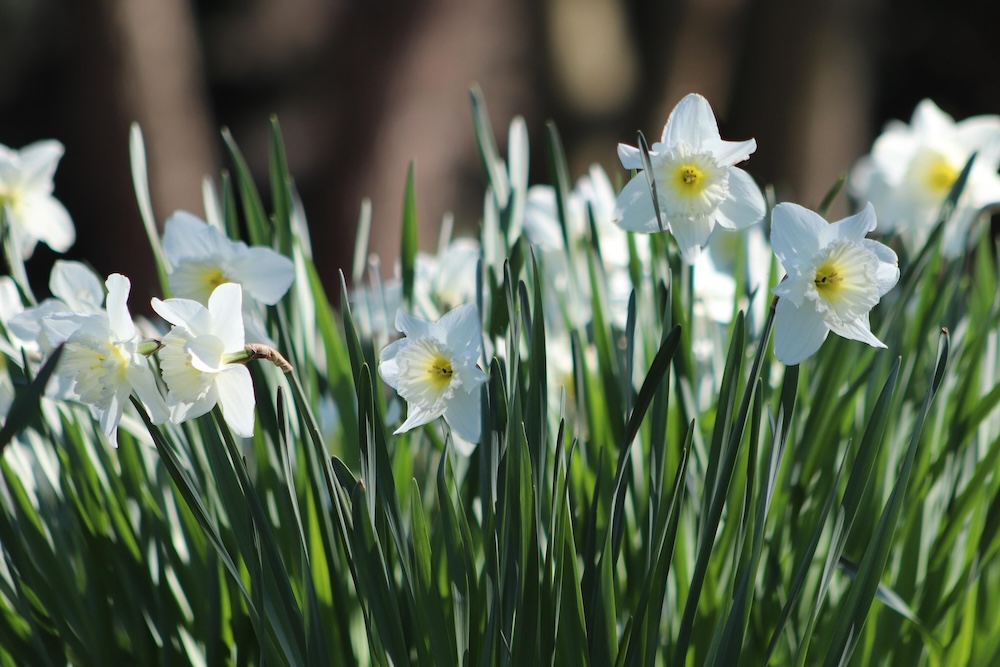
Narcissus flowers begin appearing during winter.
Zuisenji is one of the temples where narcissus, camellias, and other winter flowers are listed among the seasonal highlights.
Map: Google Maps – Zuisenji Temple
Seasonal Information: Zuisenji Flower Information
Flowering conditions vary each year, so the exact timing depends on the weather.
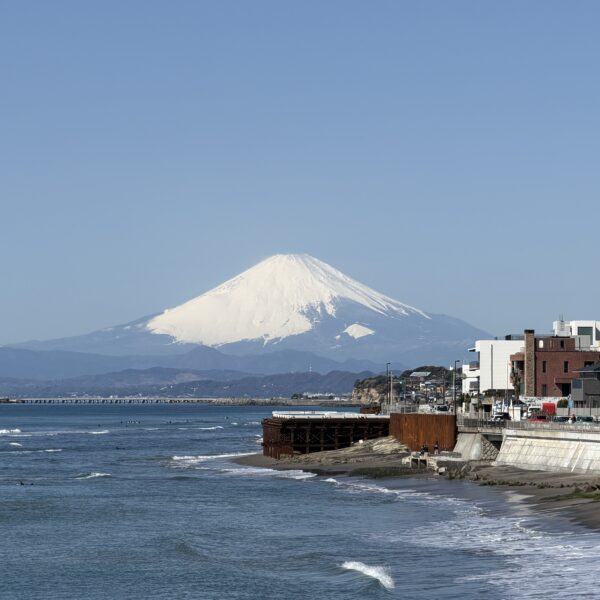
Clear Winter Views of Mt. Fuji
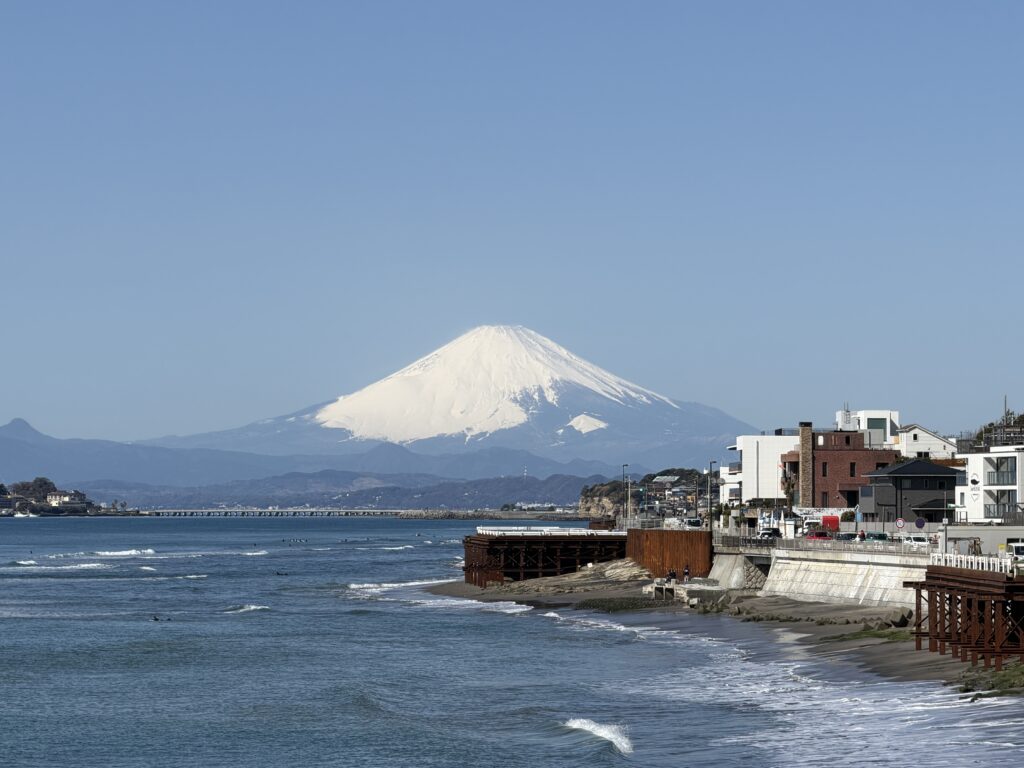
December also brings another seasonal highlight: Mt. Fuji.
On clear winter days, the air around the coast can offer beautiful views across Sagami Bay.
One of my favorite locations is Inamuragasaki.
From the viewpoint, you may see Enoshima in the foreground with snow-covered Mt. Fuji rising behind it.
Morning often offers a better chance of clear views.
Location: Inamuragasaki
Access: Approximately 10 minutes on foot from Enoden Inamuragasaki Station.
Map: Google Maps – Inamuragasaki
Local Sightseeing Information: Enoden – Inamuragasaki
New Year’s Eve in Kamakura
December 31 has a very different atmosphere from an ordinary day in Kamakura.
Temples and shrines prepare for the New Year, and visitors begin arriving for midnight prayers and ceremonies.
December 31: Oharai, Koshinsatsu Shonō-sai & Joyasai at Tsurugaoka Hachimangu
Tsurugaoka Hachimangu holds its year-end Oharai, or Great Purification Ceremony.
The ritual is intended to purify the sins and impurities accumulated during everyday life and allow participants to welcome the New Year with a clear mind.
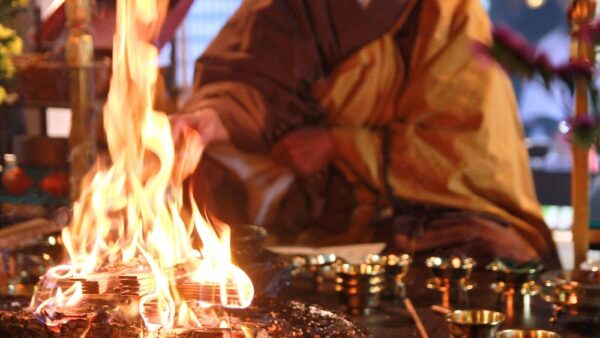
The shrine also holds the Koshinsatsu Shonō-sai, in which old amulets and sacred objects returned by worshippers are purified and burned, followed by the Joyasai, the final shrine festival of the year.
Date: December 31, 2026
Location: Tsurugaoka Hachimangu Shrine
Map: Google Maps – Tsurugaoka Hachimangu
Official Information: Tsurugaoka Hachimangu Year-End Festivals
This offers an interesting contrast with the Buddhist tradition of ringing temple bells on New Year’s Eve.
December 31: Joya-no-Kane — New Year’s Eve Temple Bells
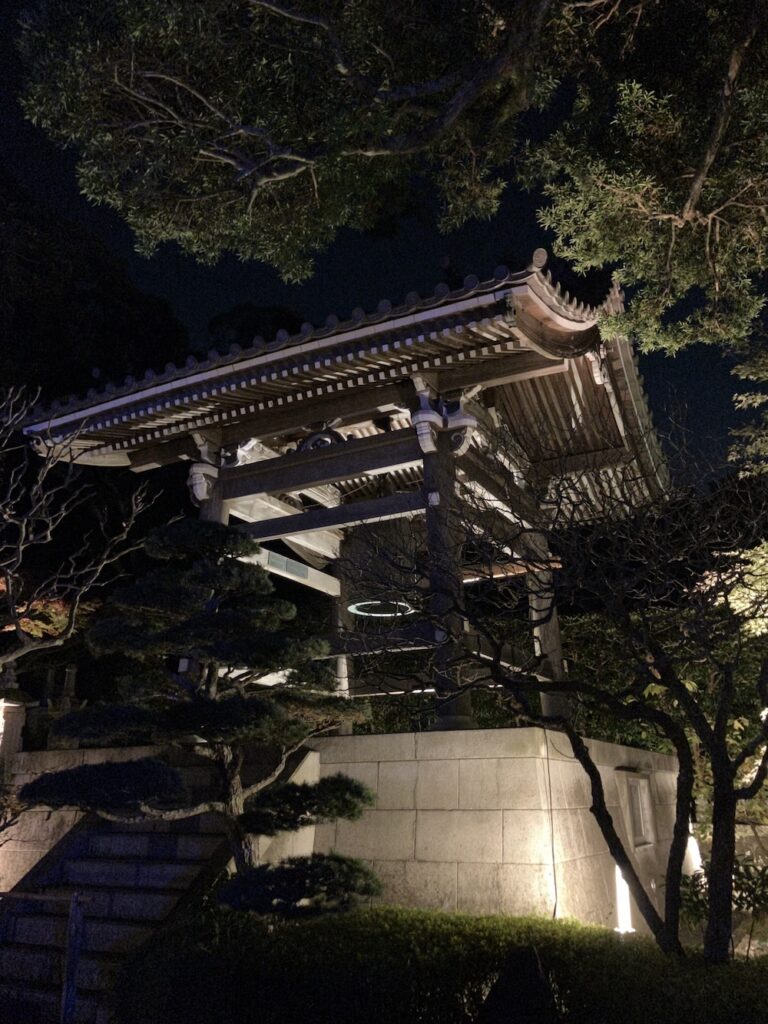
Across Japan, Buddhist temples ring their bells on New Year’s Eve in a tradition known as Joya-no-Kane.
Traditionally, temple bells are rung 108 times, symbolizing the worldly desires or attachments that Buddhism teaches humans should overcome.
Several temples in Kamakura hold New Year’s Eve ceremonies, but participation rules differ by temple.
Some allow visitors to ring the bell, some require advance reservations or numbered tickets, while others allow visitors only to observe.
Because arrangements can change each year, I strongly recommend checking the latest information in late December.
Kamakura Event Information: Kamakura City Tourist Association – Events
Hasedera on New Year’s Eve
Hasedera reopens its gate at 11:00 PM on December 31 and remains open through the night.
Visitors can pray at the temple as the year changes.
If the weather is clear, visitors may also be able to watch the first sunrise of the New Year from the Kaiko Terrace overlooking the coast.
Location: Hasedera Temple
Map: Google Maps – Hasedera Temple
Official Information: Hasedera Annual Events – New Year’s Eve
A Winter Evening in Enoshima
If you are combining Kamakura and Enoshima, December offers one more beautiful winter experience.
Shonan no Hoseki 2026–2027
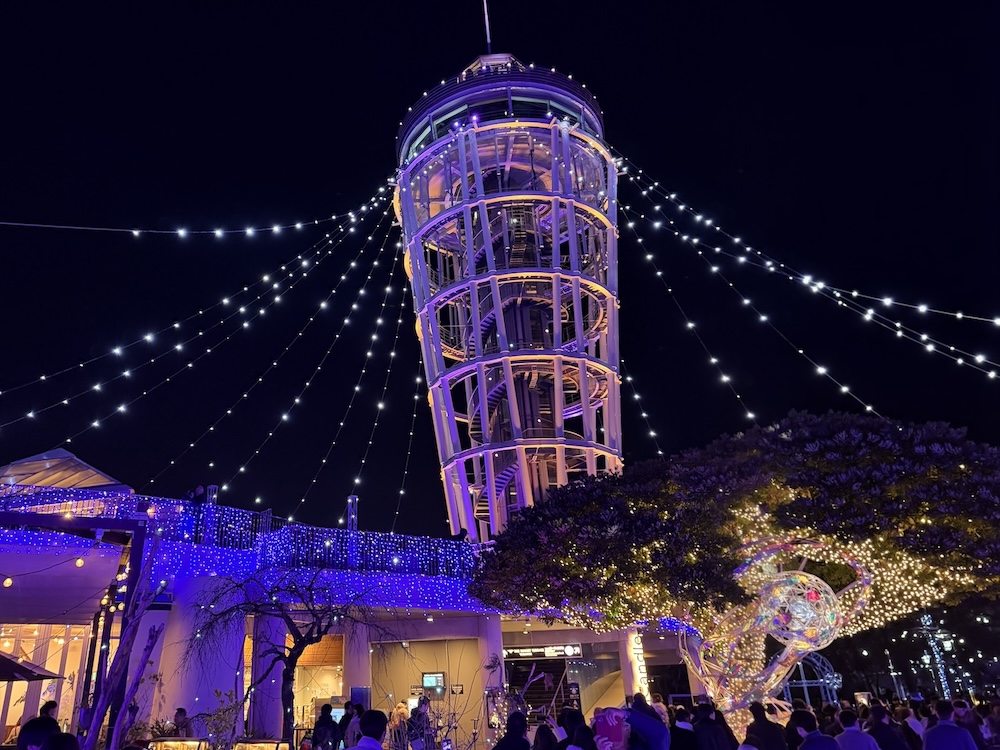
Shonan no Hoseki is one of the Shonan area’s major winter illumination events.
The lights extend from the Enoshima Samuel Cocking Garden and Enoshima Sea Candle into other areas of the island and nearby Katase coast.
The combination of the ocean, sunset, night views, and thousands of lights creates a completely different atmosphere from daytime Enoshima.
Dates: December 1, 2026–February 28, 2027
Lights: 5:00–8:00 PM on weekdays; until 9:00 PM on weekends, public holidays, and December 19–30
Location: Enoshima Samuel Cocking Garden, Enoshima Island and the Katase coastal area
Map: Google Maps – Enoshima Samuel Cocking Garden
Official Information: Shonan no Hoseki 2026–2027 Official Website
A full-day Kamakura visit can work particularly well in December:
Temples and autumn leaves in Kamakura → sunset in Enoshima → Shonan no Hoseki illumination
Visit the Can This Love Be Translated? Filming Locations in Kamakura
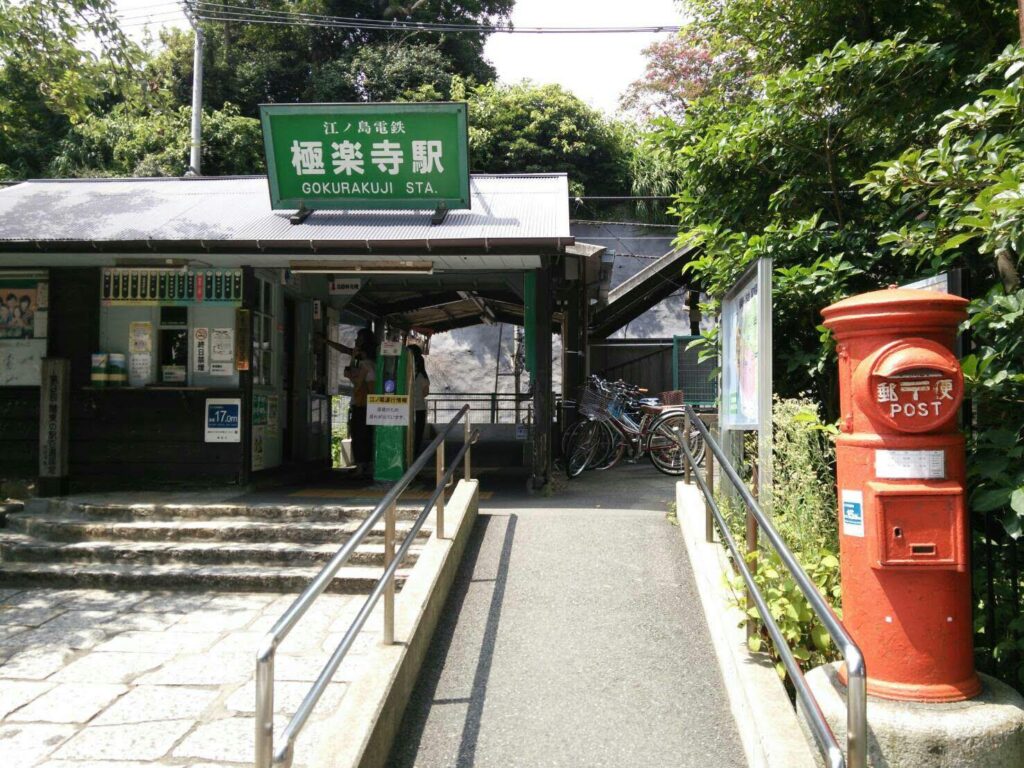
If you are a fan of the Netflix series Can This Love Be Translated?, I’d also be happy to show you some of its filming locations in Kamakura.
The series became a global hit on Netflix, reaching No. 1 on the platform’s Global Top 10 for non-English TV shows and entering the Top 10 in dozens of countries.
As a Kamakura-born guide, I can also introduce you to the real atmosphere and stories behind the locations you may have seen on screen.
Tips for Visiting Kamakura in December
Autumn Leaves Can Still Be Beautiful
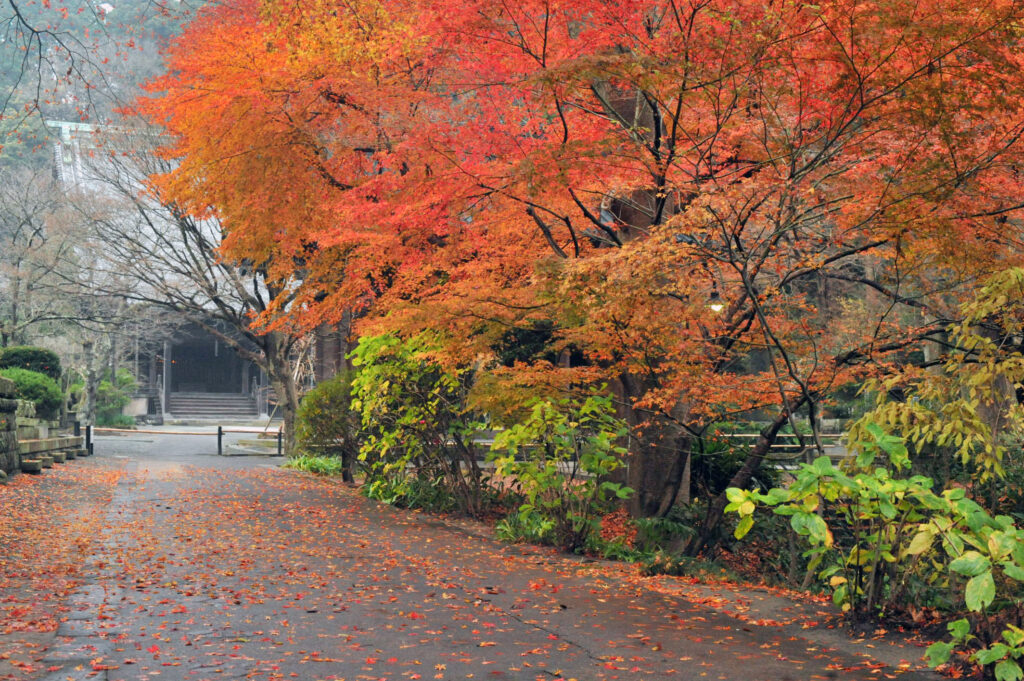
If you are visiting in the first half of December, autumn colors should still be part of your plans.
However, the timing varies significantly depending on the weather and location.
Some places may already be past their peak while another temple only a few kilometers away may still have beautiful colors.
For the latest conditions, check:
Latest Autumn Leaves Information: Kamakura City Tourist Association – Autumn Leaves Updates
Dress Warmly, Especially After Sunset
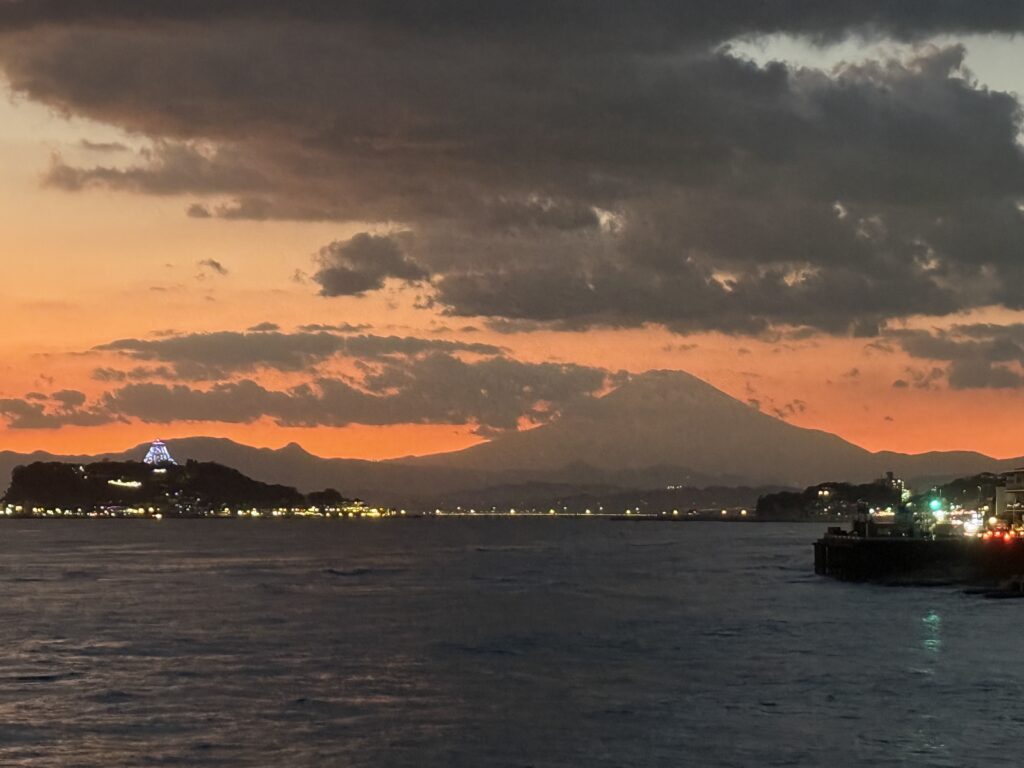
December days can be pleasant for walking, but temperatures drop quickly after sunset.
This is especially important if you plan to attend evening illuminations or wait outdoors for traditional ceremonies.
I recommend bringing a warm jacket and comfortable walking shoes.
Check Special Opening Dates Carefully
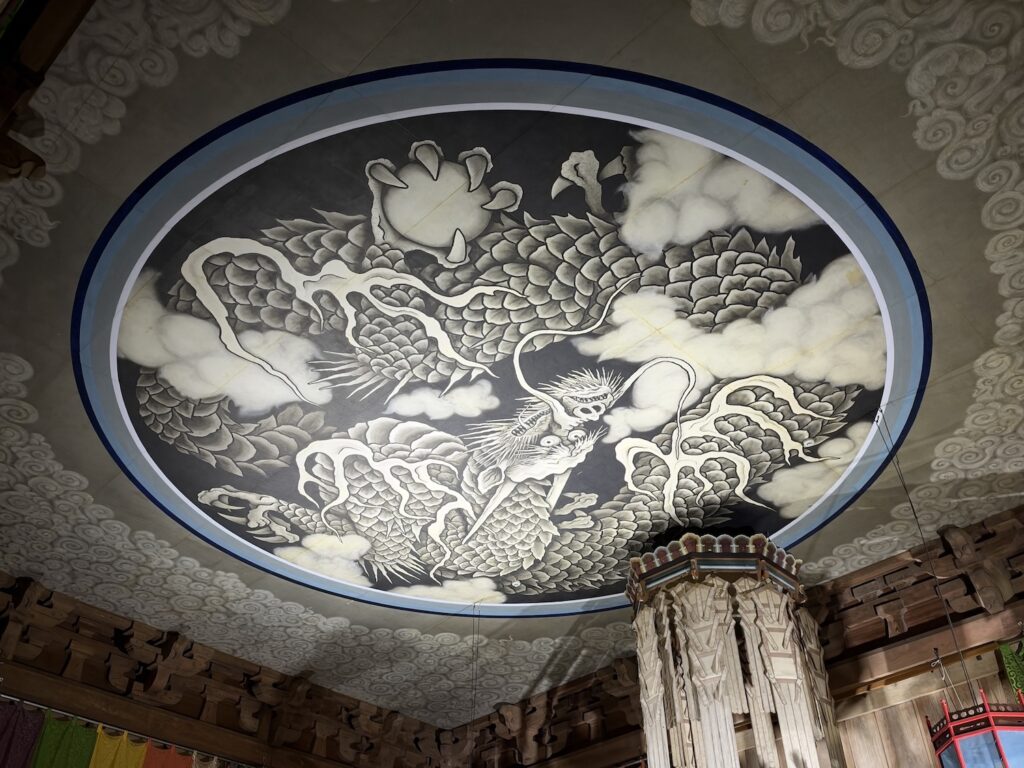
Some of the most interesting places in December—such as Sugimotodera, Chojuji, Hokokuji, and the special evening openings—are available only on specific dates.
Always check the latest official information before visiting.
Explore Kamakura with a Local Guide
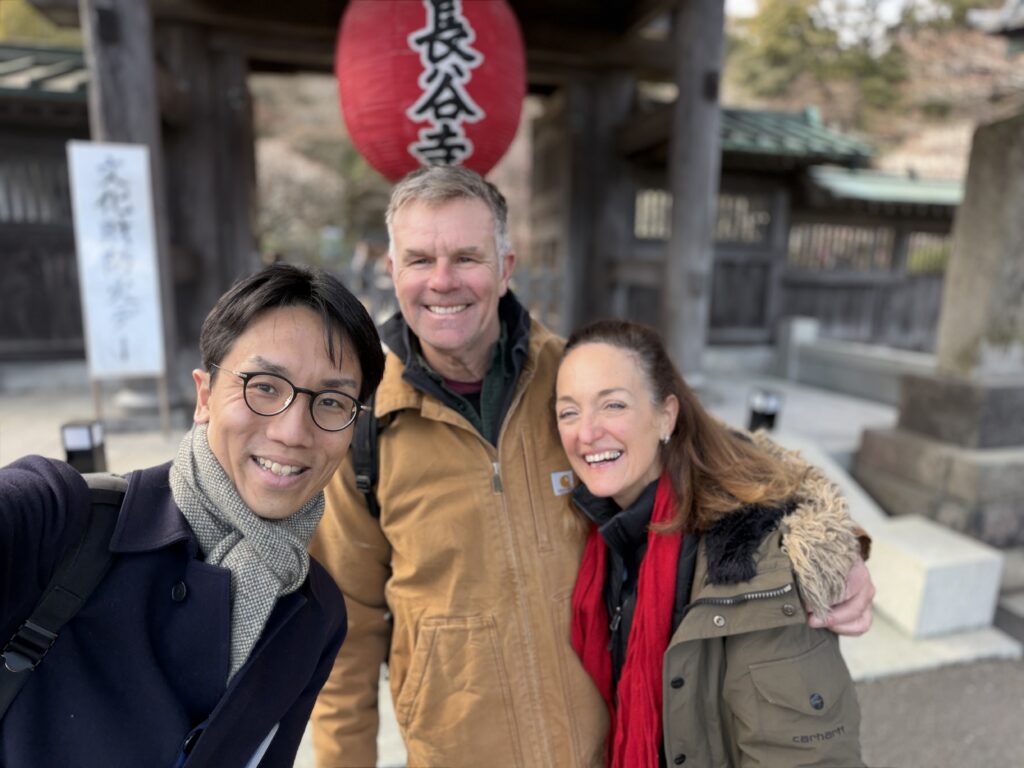
I’m Taki, a Kamakura-born private guide and Head of Kamakura Experience.
Our private tours are fully customizable, and I’ll help you choose the best route based on the season, weather, and your interests.
I can also meet you at your Tokyo hotel and accompany you to Kamakura by train.
Let’s create a memorable day in Kamakura together!
Explore Our 3-Hour Private Kamakura Tour
Explore Our 4-Hour Private Kamakura Tour
Explore Our 6-Hour Private Kamakura Tour
If you have any questions or places you would especially like to visit, please feel free to contact me.
Please note: Event schedules, special openings, and seasonal conditions may change. We recommend checking official websites before visiting.
Author & Local Guide: Takumi Ikeda

Takumi Ikeda is the Head of Kamakura Experience and a Kamakura-born private guide.
With professional hospitality experience aboard an international cruise ship and at Michelin-rated ryokans, he shares stories, insights, and practical tips shaped by his deep roots in the city.
Discover more on Instagram: https://www.instagram.com/kamakura_experience
LinkedIn: https://www.linkedin.com/in/takumi-ikeda-9933aa131/