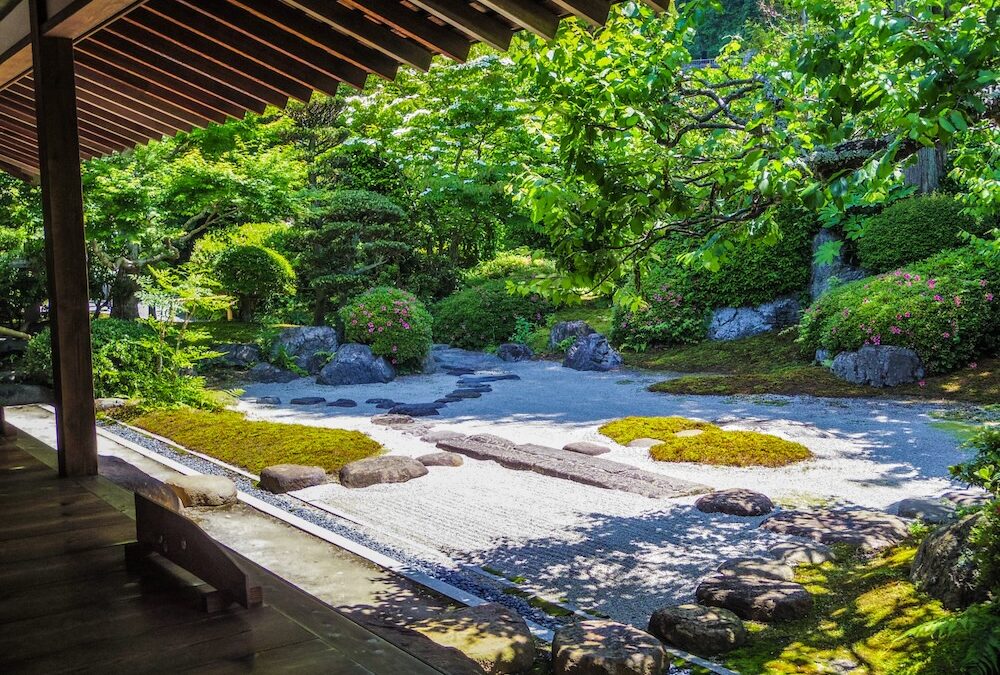
Today, the word “Zen” is used all over the world. We often hear it in connection with meditation, mindfulness, simplicity, and inner peace. Zen has even influenced some of the most creative minds of our time, including Steve Jobs, the co-founder of Apple.
But what exactly is Zen? Where did it come from, and how did it spread from ancient India to China, Japan, and eventually the West?
Interestingly, Kamakura, a historic city just an hour from central Tokyo, played an important role in both the development of Zen Buddhism in Japan and its introduction to the West.
As a local guide born and raised in Kamakura, I would like to take you on a journey through the history of Zen, introduce the remarkable people who helped spread it around the world, and share some of the historic places you can still visit in Kamakura today.
Origin of the word “ZEN”
The word “Zen” originally comes from the Sanskrit word dhyāna, which refers to a state of deep meditation in which the mind becomes calm and focused.
As Buddhism spread from India to China, the word became known as Chan (禪) in Chinese, and later as Zen (禅) in Japanese.
Although Zen is widely associated with Japan today, its origins can be traced back to ancient India.
From India to China: The Development of Zen
According to Zen tradition, an Indian Buddhist monk named Bodhidharma (菩提達磨) traveled to China around the fifth or sixth century.
He is traditionally regarded as the first patriarch of Chan Buddhism, which later developed into what we know as Zen Buddhism in Japan.
As Chan Buddhism developed in China, its teachings emphasized direct personal experience and awakening, rather than relying solely on religious texts.
The Development of Zen Buddhism in Japan During the Kamakura Period
Zen Buddhism developed significantly in Japan during the Kamakura period (1185–1333).
Two major schools of Japanese Zen became established during this period:
- Rinzai Zen (Rinzai-shū) — traditionally founded in Japan by Eisai (1141–1215)
- Sōtō Zen (Sōtō-shū) — founded in Japan by Dōgen (1200–1253)
Both traditions originated in China. Eisai and Dōgen traveled there to study Buddhism before returning to Japan and establishing their respective Zen traditions.
While both schools value seated meditation, known as zazen, Rinzai Zen is particularly associated with the use of kōan — questions or dialogues that encourage practitioners to go beyond conventional thinking.
Sōtō Zen is especially known for shikantaza (只管打坐) , or “just sitting.”
Of these two traditions, it was Rinzai Zen that flourished particularly in Kamakura.
Rinzai Zen and Kamakura
During the Kamakura period, Kamakura became the political center of Japan under the rule of the samurai government, known as the Kamakura shogunate.
Zen Buddhism received strong support from the ruling warrior class.
Eisai, traditionally regarded as the founder of Japanese Rinzai Zen, had close connections with both Kyoto and Kamakura.
In 1200, Jufukuji Temple was established in Kamakura with the support of Hōjō Masako, the wife of Minamoto no Yoritomo, the founder of the Kamakura shogunate.
As Zen Buddhism gained support from the samurai government, more temples were established, and Kamakura gradually became one of Japan’s major centers of Zen Buddhism.
This influence can still be seen today in the city’s historic temples, gardens, architecture, and cultural traditions.
Kenchoji Temple (Kamakura) : A Pioneering Zen Monastery in Japan
Founded in 1253, Kenchoji Temple is regarded as Japan’s first full-scale Chinese-style Rinzai Zen monastery.
It was established by Hōjō Tokiyori, the fifth regent of the Kamakura shogunate, who invited the Chinese Zen master Lanxi Daolong, known in Japan as Rankei Dōryū (蘭渓道隆) , to become its founding abbot.
Unlike earlier temples that combined Zen with other Buddhist traditions, Kenchoji was established as a monastery dedicated to Rinzai Zen training, following the traditions of China’s Song dynasty.
Kenchoji later became the highest-ranking temple among the Kamakura Five Great Zen Temples, known as Kamakura Gozan.
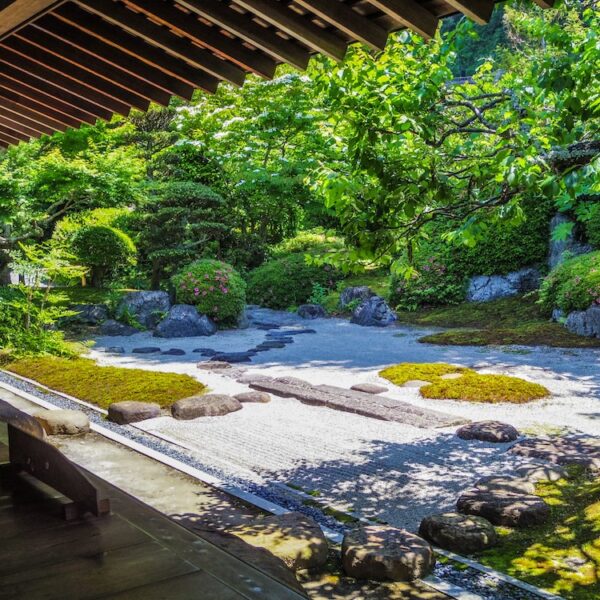
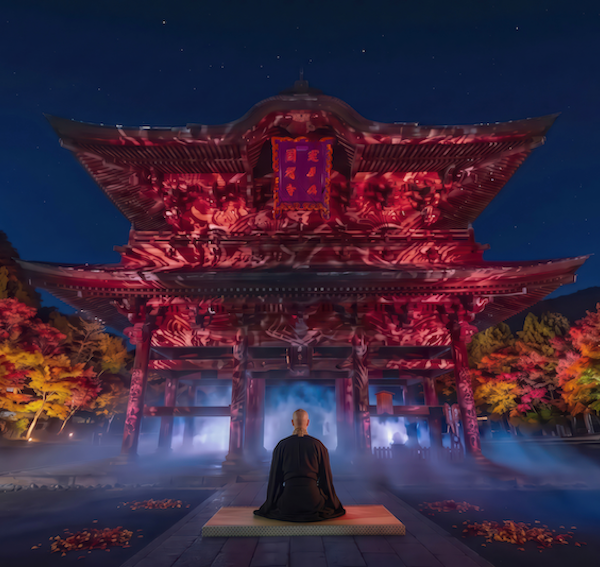
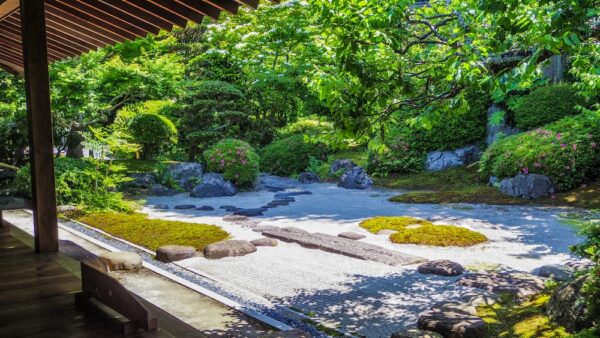
Today, visitors can walk through its impressive wooden gates, admire its traditional architecture, and enjoy the peaceful surroundings of its Zen garden.
Walking through the temple grounds offers an opportunity to imagine how Zen monks lived and practiced centuries ago.
The Spread of Zen to the West – The World’s Parliament of Religions in 1893
More than six centuries after Zen Buddhism flourished in Kamakura, another major turning point came in 1893.
The World’s Parliament of Religions was held in Chicago, bringing together representatives of religious traditions from around the world.
Among the participants was Soyen Shaku (Shaku Sōen), a Zen master and the head abbot of Engakuji Temple in Kamakura.
He became one of the pioneers in introducing Japanese Zen Buddhism to the West.
His speeches at the conference were translated into English by one of his young students, D. T. Suzuki (Suzuki Daisetsu), who would later become one of the most influential figures in the global spread of Zen.
Two Suzukis Who Brought Zen to the West
Interestingly, two Japanese figures with the same surname played significant but different roles in spreading Zen to the West.
D. T. Suzuki (1870–1966) – Introducing Zen Philosophy to the West
In 1897, D. T. Suzuki traveled to the United States.
Through his lectures and numerous books written in English, he helped popularize Zen Buddhism in the West, particularly during the mid-20th century.
Among his best-known works are Essays in Zen Buddhism and Zen Buddhism and Its Influence on Japanese Culture, first published in 1938 and later revised and published as Zen and Japanese Culture in 1959.
His writings introduced not only Zen philosophy but also its relationship with Japanese culture, including tea ceremony, art, and the traditions of the samurai.
If you are interested in the relationship between Zen and Japanese culture, his books are a wonderful place to start.
Shunryu Suzuki (1904–1971) – Bringing Zen Practice to America
While D. T. Suzuki introduced Zen primarily through his writings and lectures, another Suzuki helped bring the actual practice of Zen to everyday life in America.
Shunryu Suzuki, a Japanese Sōtō Zen priest, moved to San Francisco in 1959.
He founded the San Francisco Zen Center with his students in 1962 and established the Tassajara Zen Mountain Center in the mountains of California in 1967.
There, he practiced zazen (seated meditation) alongside his American students, helping establish a community dedicated to Zen practice.
His book Zen Mind, Beginner’s Mind, first published in 1970, remains one of the most influential and widely read books on Zen in the West.
His work helped make Zen not just a philosophy to study, but a practice to experience.
Zen and Steve Jobs
Did you know that Steve Jobs, the co-founder of Apple, was deeply influenced by Zen Buddhism?
In 1967, Shunryu Suzuki invited another Japanese Zen priest, Kobun Chino Otogawa (1938–2002), to come to the United States and help establish Zen practice at Tassajara.
Kobun later became Steve Jobs’ Zen teacher and spiritual mentor.
For Jobs, Zen was not simply an interest in Japanese culture. It became an important influence on his personal philosophy and appreciation of simplicity.
Personally, when I look at the original iPod, the MacBook, and the iPhone, I cannot help but see something of the Zen aesthetic in their design.
Their simplicity, clean lines, and focus on what is essential remind me of the beauty found in traditional Japanese Zen culture.
Of course, Zen is much more than simplicity or minimalism, but its influence can be seen far beyond the walls of Buddhist temples.
Explore the Roots of Zen in Kamakura
From the historic Zen temples of Kamakura to the meditation halls of California, and even to the world of modern technology, Zen has traveled far beyond its original cultural and religious setting.
One particularly fascinating chapter of this history began in Kamakura with Soyen Shaku and D. T. Suzuki.
And what makes this story even more special is that you can still visit places where these two figures lived, studied, and practiced Zen.
If you have read D. T. Suzuki’s books or are interested in how Zen became known around the world, visiting these places may give you a deeper appreciation of its history.
Engakuji Temple— Where Zen’s Journey to the West Began
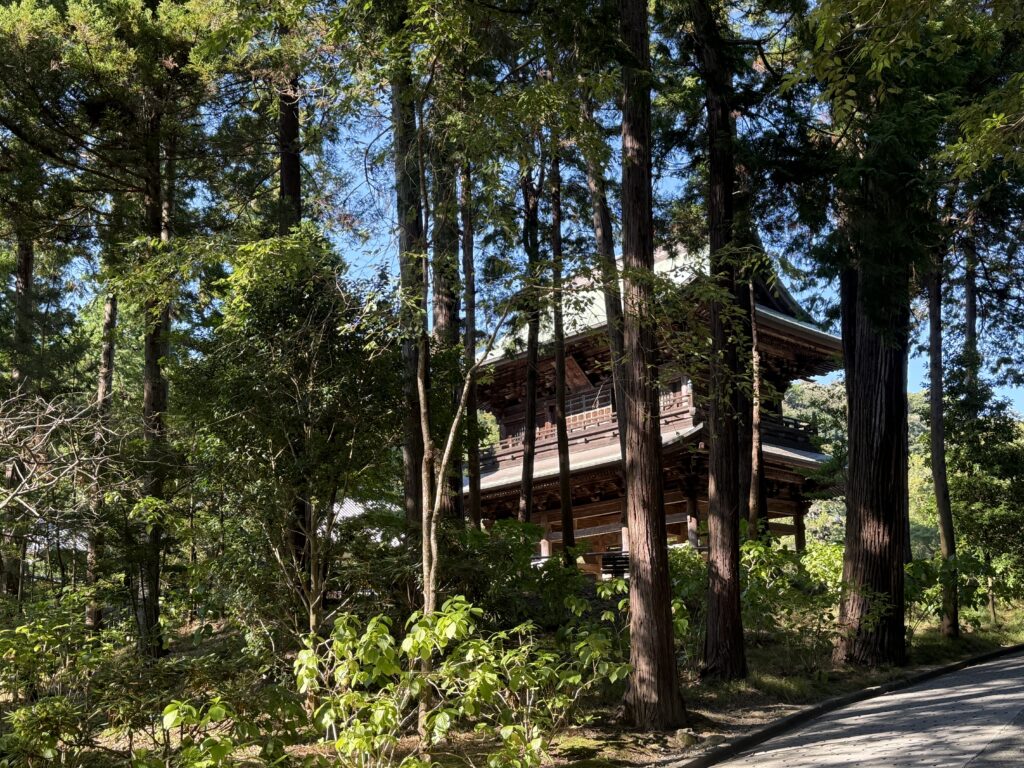
Founded in 1282, Engakuji is one of Kamakura’s most important Zen temples.
It was established by Hōjō Tokimune, the eighth regent of the Kamakura shogunate, with the Chinese Zen master Mugaku Sogen as its founding abbot.
Centuries later, Soyen Shaku served as the head abbot of Engakuji, while D. T. Suzuki studied Zen under his guidance and lived for a time within the temple grounds.
Engakuji also attracted influential Japanese intellectuals, including Natsume Sōseki, one of Japan’s most celebrated novelists.
For those interested in the international history of Zen, Engakuji is much more than a beautiful historic temple.
It is a place where the people who helped introduce Zen to the world once lived, studied, and practiced.
Surrounded by wooded hills, traditional buildings, and quiet pathways, the temple offers a wonderful setting in which to reflect on the history and philosophy of Zen.
Tokeiji Temple — The Final Resting Place of D. T. Suzuki
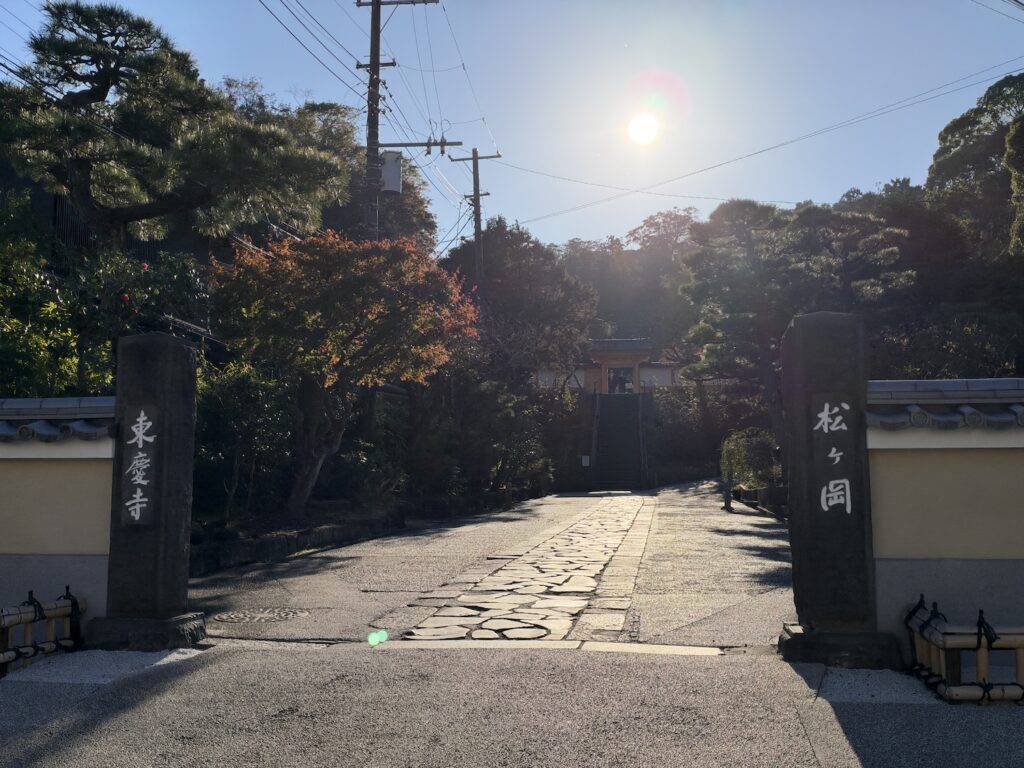
Just a short walk from Engakuji lies Tokeiji Temple, founded in 1285.
For centuries, Tokeiji served as a Buddhist nunnery and offered refuge to women seeking to leave their marriages.
This special role officially ended in 1871, and its history as a nunnery came to an end in 1902.
Tokeiji is also closely connected with D. T. Suzuki.
He established the Matsugaoka Bunko, a research library dedicated to Buddhist studies, on the hillside behind the temple.
Today, his grave lies within the temple cemetery.
Walking through the quiet grounds of Tokeiji, surrounded by seasonal flowers, trees, and historic gravestones, offers a chance to reflect on the life of the scholar who helped bring Zen to the world.
For anyone who has read his books or is interested in Zen philosophy, visiting Tokeiji can be a particularly meaningful experience.
Discover the History of Zen in Kamakura with Your Private Local Guide
If you are interested in Zen Buddhism and planning a trip to Japan, I would love to help you discover this fascinating side of Kamakura.
Born and raised in Kamakura, I enjoy sharing not only the beauty of its temples but also the stories, people, and cultural traditions behind them.
Together, we can visit historic Zen temples, explore their connections with the samurai, and learn how Zen developed in Japan before spreading around the world.
Our private guided tours are fully customizable, so we can design your visit around your interests, whether you are curious about Buddhist philosophy, meditation, traditional architecture, Zen gardens, or Japanese culture.
You do not need any previous knowledge of Buddhism or Zen.
If you are visiting Tokyo, Kamakura is also an easy day trip by train.
Discover Kamakura beyond its famous landmarks and explore the history of Zen with a Kamakura-born private guide.
Explore Our Private Guided Tours in Kamakura
Author & Local Guide: Takumi Ikeda

Takumi Ikeda is the Head of Kamakura Experience and a Kamakura-born private guide.
With professional hospitality experience aboard an international cruise ship and at Michelin-rated ryokans, he shares stories, insights, and practical tips shaped by his deep roots in the city.
Discover more on Instagram: @kamakura_experience
LinkedIn: https://www.linkedin.com/in/takumi-ikeda-9933aa131/